เมื่อคุณตั้งค่าเพชรที่ปลูกในห้องปฏิบัติการ, กะรัต, ตัด, และความชัดเจนดึงดูดความสนใจทั้งหมด แต่โลหะที่ยึดหินไว้อย่างเงียบๆ จะตัดสินว่าแหวนจะมีลักษณะอย่างไร, มันกินเวลานานแค่ไหน, และมีค่าใช้จ่ายเท่าไร. สำหรับผู้ซื้อส่วนใหญ่, การตัดสินใจที่แท้จริงไม่ใช่ “แหวนไหน” แต่ “ซึ่งทอง,” และมาตรฐานสามกะรัตที่คุณมักจะได้รับคือ 18K, 14เค, และ 9K. ทำความเข้าใจกับ 18k เทียบกับ 14k เทียบกับ 9k gold แล็บปลูกเพชร ทางเลือกก่อนที่คุณจะไปที่ร้านอัญมณีจะช่วยให้คุณประหยัดเงินได้, หลีกเลี่ยงความผิดหวัง, และช่วยคุณเลือกแหวนที่คุณจะมีความสุขได้ทุกวัน.
กะรัตไม่เท่ากับน้ำหนัก. เป็นการวัดความบริสุทธิ์: โลหะเป็นทองคำบริสุทธิ์เท่าใด และผสมกับโลหะอื่นๆ เท่าใดจึงจะทำให้มีความแข็งและทนทานมากขึ้น. ยิ่งกะรัตสูง, ยิ่งมีสีทองมากเท่าไรก็ยิ่งมีสีเหลืองมากขึ้นเท่านั้น, อ่อนนุ่ม, และโลหะก็มีราคาแพง. ยิ่งกะรัตต่ำลง, ยิ่งอัลลอยด์มากเท่าไรก็ยิ่งแข็งมากขึ้นเท่านั้น, ขาวขึ้น, และราคาถูกลง. ไม่มีโสด “ดีที่สุด” กะรัตสำหรับการตั้งค่าเพชรที่ปลูกในห้องทดลอง; มีเพียงกะรัตเท่านั้นที่ตรงกับวิธีที่คุณจะสวมแหวนและจำนวนเงินที่คุณต้องการใช้จ่ายมากที่สุด.
ตัวเลขบนทองคำหมายถึงอะไรจริงๆ
ความบริสุทธิ์ของทองคำแสดงออกมาเป็น 24 ชิ้นส่วน, เพราะถือเป็นทองคำบริสุทธิ์ 24 กะรัต. นั่นหมายความว่าตัวเลขกะรัตจะบอกให้คุณทราบถึงเศษส่วนของทองคำบริสุทธิ์ที่ออกมา 24:
- 18เค โกลด์ เป็น 18 ทองบางส่วนออกจาก 24 — ประมาณ 75% ทองบริสุทธิ์, ด้วยเกี่ยวกับ 25% โลหะผสม.
- 14เค โกลด์ เป็น 14 ทองบางส่วนออกจาก 24 — ประมาณ 58.5% ทองบริสุทธิ์, ด้วยเกี่ยวกับ 41.5% โลหะผสม.
- 9เค โกลด์ เป็น 9 ทองบางส่วนออกจาก 24 — ประมาณ 37.5% ทองบริสุทธิ์, ด้วยเกี่ยวกับ 62.5% โลหะผสม.
โลหะผสมทองคำทุกอันจะมีตราประทับเพื่อให้คุณสามารถตรวจสอบสิ่งที่คุณกำลังซื้อได้: “750” สำหรับ 18K, “585” สำหรับ 14K, และ “375” สำหรับ 9K, หมายถึงส่วนของทองคำต่อพัน. ตัวเลขเหล่านี้จะประทับลงในก้านแหวนหรือบนพื้นผิวที่ซ่อนอยู่, และร้านอัญมณีที่ซื่อสัตย์จะชี้แนะพวกเขา. ปริมาณโลหะผสมเป็นสาเหตุทั้งหมดที่โลหะทั้งสามมีพฤติกรรมแตกต่างกันมาก, และเป็นรากฐานของ 18k เทียบกับ 14k เทียบกับ 9k gold แล็บปลูกเพชร การเปรียบเทียบ.
เหตุใดทองคำจึงถูกผสมเข้าด้วยกัน
ทอง 24K บริสุทธิ์นั้นน่าทึ่งแต่ทำไม่ได้. มันนุ่มมากจนวงแหวนบางๆ งอได้, เกา, และสูญเสียรูปร่างไปภายในเวลาหลายเดือนของการสวมใส่ทุกวัน และมันก็นิ่มเกินกว่าจะยึดเพชรไว้ในง่ามได้แน่นหนา. การผสมทองคำกับโลหะอื่น ๆ โดยทั่วไปแล้วจะเป็นทองแดง, เงิน, สังกะสี, และสำหรับทองคำขาว, นิกเกิลหรือแพลเลเดียม - แข็งตัวได้อย่างมากและช่วยให้สามารถหล่อและขัดเงาให้มีความแม่นยำซึ่งสามารถยึดเกาะหินได้นานหลายทศวรรษ.
นี่เป็นตรรกะทางวิศวกรรมแบบเดียวกับที่ทำงานผ่านทุกส่วนของวงแหวนที่ทำมาอย่างดี. เช่นเดียวกับก กระบวนการควบคุมคุณภาพการตั้งค่าโรงงาน ตรวจสอบว่าโลหะมีพฤติกรรมอย่างไรภายใต้ความเครียดก่อนจัดส่งชิ้นส่วน, โลหะผสมที่คุณเลือกจะเป็นตัวกำหนดว่าโลหะจะทนต่อความเครียดได้มากเพียงใดในแต่ละวัน. การแลกเปลี่ยนจะเหมือนกันเสมอ: ทองมากขึ้นหมายถึงสีที่สมบูรณ์ยิ่งขึ้นและมีมูลค่าสูงขึ้นแต่มีความแข็งแกร่งน้อยลง; โลหะผสมที่มากขึ้นหมายถึงความแข็งที่มากขึ้น แต่จะซีดลงเล็กน้อย, ตัวละครที่มีค่าน้อยกว่า.
18เค โกลด์: ยอดคงเหลือระดับพรีเมียม
18ทอง K เป็นตัวเลือกยอดนิยมสำหรับแหวนหมั้นคุณภาพดี, และด้วยเหตุผลที่ดี. ที่ 75% ทองบริสุทธิ์, มันเสนอคนรวย, สีเหลืองโทนอุ่นที่คนส่วนใหญ่นึกถึงเมื่อนึกถึงเครื่องประดับทอง, ในขณะที่ยังแข็งพอสำหรับการสวมใส่ในชีวิตประจำวัน. ปริมาณทองคำที่สูงกว่ายังทำให้มีคุณค่ามากขึ้นตามน้ำหนัก, และมันขัดเกลาจนลึก, เงาหรูหรา.
ข้อเสียคือ 18K เบากว่าและหนักกว่า 14K หรือ 9K. มันจะแสดงรอยขีดข่วนเล็ก ๆ และสึกหรอเร็วขึ้น, และง่ามของมันต้องมีการตรวจสอบบ่อยขึ้นอีกเล็กน้อยเพื่อให้คงความแข็งแรงไว้เต็มที่. สำหรับแหวนที่สวมใส่อย่างอ่อนโยน - แหวนหมั้น, แหวนชุด, หรือข้อความที่สื่อถึงความสวยงามและคุณค่าของ 18K มักจะมีค่ามากกว่าการดูแลเป็นพิเศษ. สำหรับแหวนที่ใช้งานหนักในชีวิตประจำวัน, 18K ยังคงสามารถทำงานได้ แต่ต้องมีขั้นตอนการบำรุงรักษาที่มีระเบียบวินัยมากขึ้น.
14เค โกลด์: ม้าทำงานทุกวัน
14ทอง K เป็นทองคำที่ใช้กันมากที่สุดสำหรับแหวนหมั้นและแหวนแต่งงานในอเมริกาเหนือ, และเป็นจุดหวานสำหรับความทนทาน. ที่ 58.5% ทอง, มีความแข็งกว่าและทนทานต่อรอยขีดข่วนมากกว่า 18K อย่างเห็นได้ชัด, ซึ่งหมายความว่ามันคงรูปทรงและง่ามไว้ได้ตลอดการสวมใส่ในแต่ละวันเป็นเวลาหลายปี. เนื่องจากมีโลหะผสมมากกว่า, 14K ยังเบากว่าและราคาถูกกว่า 18K ซึ่งมักจะถูกกว่ามากสำหรับสภาพแวดล้อมทางกายภาพเดียวกัน.
ข้อเสียที่แท้จริงเพียงอย่างเดียวคือสี. โลหะผสมที่มากขึ้นหมายความว่าสีเหลืองจะซีดกว่าและเย็นกว่า 18K เล็กน้อย, แม้ว่ายังคงเป็นทองคำอย่างแน่นอน. ผู้ซื้อหลายรายไม่สามารถแยกความแตกต่างระหว่าง 14K และ 18K ได้ในพริบตา, และสำหรับใครก็ตามที่สวมแหวนทุกวัน นั่นก็คือการทำอาหาร, ทำงานด้วยมือของพวกเขา, การออกกำลังกาย — ความทนทานที่เหนือกว่าของ 14K มักจะเป็นตัวเลือกที่ชาญฉลาดกว่าสี 18K ที่เข้มกว่าเล็กน้อย. มันคือความคลาสสิก 14K กับแหวนหมั้นทอง 18K การแลกเปลี่ยน: คุณค่าและความแข็งแกร่งเทียบกับความบริสุทธิ์และสี.
9เค โกลด์: ตัวเลือกงบประมาณและความแข็ง
9ทอง K เป็นโลหะผสมมากที่สุดในทั้งสาม, ในเวลาเพียง 37.5% ทอง, และพบได้ทั่วไปในตลาดเช่นสหราชอาณาจักรและบางส่วนของยุโรปมากกว่าในสหรัฐอเมริกา. การอุทธรณ์นั้นตรงไปตรงมา: มันยากที่สุด, เบาที่สุด, และถูกที่สุดในสามกะรัต, ซึ่งทำให้เป็นตัวเลือกที่น่าสนใจสำหรับผู้ซื้อที่คำนึงถึงงบประมาณและสำหรับเครื่องประดับที่ต้องรับโทษหนัก.
ข้อแลกเปลี่ยนมีจริง. 9K มีสีซีดที่สุด, สีเหลืองที่เงียบที่สุด, อาจมีแนวโน้มที่จะทำให้มัวหมองได้เนื่องจากมีปริมาณที่ไม่ใช่ทองคำสูง, และมีมูลค่าขายต่อกรัมต่ำสุดในทั้งสาม. เพราะมันยากมาก, นอกจากนี้ยังยากต่อการปรับขนาดและเปราะมากขึ้นในการตั้งค่าที่ละเอียดมาก. เพื่อความเรียบง่าย, สายที่ทนทานหรือชิ้นส่วนในชีวิตประจำวันที่ต้นทุนสำคัญที่สุด, 9K อาจเป็นทางเลือกที่ตรงไปตรงมา แต่สำหรับแหวนหมั้นเพชรที่ปลูกในห้องปฏิบัติการที่สำคัญ, ผู้ซื้อจำนวนมากพบว่าการประนีประนอมสูงเกินไป.
ความทนทานและความแข็งแรงของง่าม
เมื่อฝังเพชรแล้ว, โลหะทำหน้าที่สำคัญสองอย่าง: มันยึดหินไว้อย่างแน่นหนา, และมันยังคงอยู่ได้หลายสิบปีจากการถูกกระแทก, บีบ, และสัมผัสกับสบู่และครีมทามือ. ความแข็งแรงของโลหะ — และความปลอดภัยของหิน — ขึ้นอยู่กับปริมาณโลหะผสมโดยตรง.
9K เป็นส่วนที่แข็งที่สุดและมีโอกาสโค้งงอน้อยที่สุด, แต่ความเปราะบางสามารถทำให้ง่ามหักเมื่อได้รับแรงกระแทก แทนที่จะงอและดูดซับแรง. 14K เป็นคนเก่งรอบด้านที่สุด, การผสมผสานความแข็งสูงเข้ากับความอ่อนตัวได้เพียงพอ ทำให้ง่ามมีแนวโน้มที่จะโค้งงอช้าๆ ภายใต้ความเครียดแทนที่จะแตกหัก แจ้งเตือนคุณก่อนที่หินจะตกอยู่ในความเสี่ยง. 18K อ่อนโยนที่สุด, ดังนั้นจึงต้องการการดูแลง่ามที่เอาใจใส่มากที่สุด, แต่ความอ่อนตัวของมันยังหมายถึงการกระแทกที่แหลมคมมีแนวโน้มที่จะทำให้ง่ามโค้งงอมากกว่าที่จะแตกหัก, คอยปกป้องเพชรเอาไว้. แล้วแต่กะรัตที่คุณเลือก, การตั้งค่าที่ยึดหินสมควรได้รับการดูแลอย่างระมัดระวังเช่นเดียวกับโลหะ — หลักการเดียวกันที่อยู่เบื้องหลัง แพลตตินัมเทียบกับการตั้งค่าทองคำขาว 18K การอภิปราย.
สี, ความขาว, และความไวของผิวหนัง
หากคุณเลือกทองคำขาวมากกว่าสีเหลือง, กะรัตเข้ามามีบทบาทที่สอง. ทองคำขาวได้สีมาจากการผสมทองคำกับโลหะสีขาว, และเคลือบผิวด้านนอกด้วยการชุบโรเดียมบาง ๆ. ทองคำขาวกะรัตต่ำ เช่น 9K จะใช้โลหะผสมมากกว่า, ซึ่งอาจรวมถึงนิกเกิล, สารก่อภูมิแพ้ทางผิวหนังที่พบบ่อยสำหรับผู้สวมใส่จำนวนมาก. หากคุณมีผิวบอบบางหรือแพ้โลหะ, ทองคำขาวกะรัตที่สูงกว่าพร้อมโลหะผสมที่มีแพลเลเดียมเป็นเส้นทางที่ปลอดภัยกว่า, เนื่องจากมีโลหะอัลลอยด์ที่ทำปฏิกิริยาโดยรวมน้อยกว่า.
โดยไม่คำนึงถึงกะรัต, ทองคำขาวจำเป็นต้องชุบโรเดียมซ้ำเป็นระยะๆ เพื่อให้คงความสดใสไว้, ผิวกระจกสีขาว, เนื่องจากการชุบจะเสื่อมสภาพตามการใช้งานทุกวัน. สีเหลืองทอง, ในทางตรงกันข้าม, ไม่จำเป็นต้องชุบเลย เพราะสีของมันมาจากตัวโลหะนั่นเอง, และโทนสีที่เข้มกว่าที่ 18K จึงเป็นเหตุผลว่าทำไมผู้ซื้อจำนวนมากถึงชอบแหวนหมั้นเยลโลว์โกลด์.
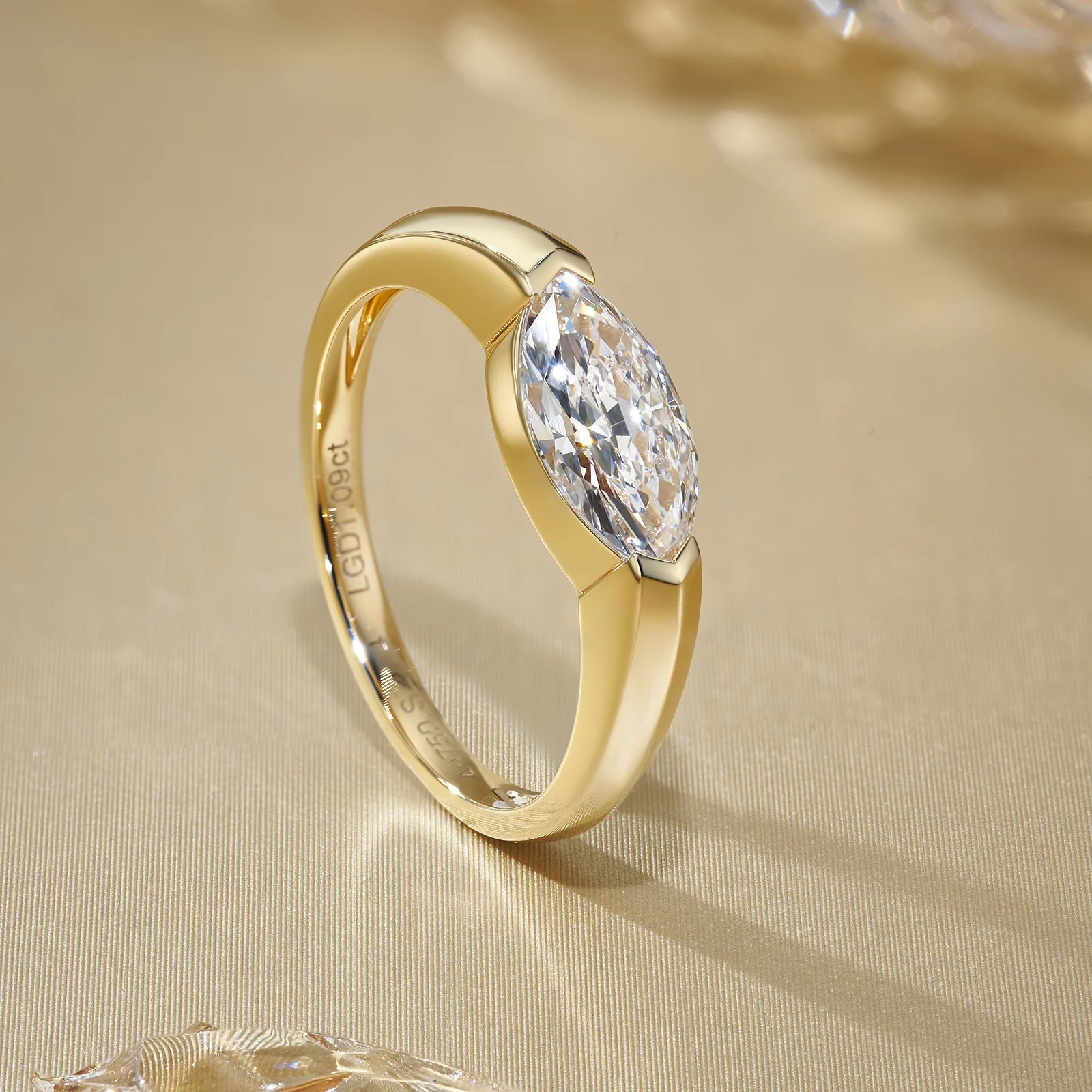
ค่าใช้จ่าย: ล่วงหน้าและล่วงเวลา
ราคาที่แตกต่างกันระหว่างสามกะรัตมีความสำคัญ. เนื่องจาก 18K มีทองคำบริสุทธิ์มากกว่า 9K ประมาณสองเท่า, และทองคำมีราคาตามน้ำหนัก, การตั้งค่า 18K อาจมีราคาสูงกว่าชิ้น 9K ที่เทียบเท่ากันมาก — และ 14K จะอยู่ระหว่างนั้นอย่างสบายๆ. หากคุณกำลังขยายงบประมาณเพื่อซื้อเพชร Lab Grown ที่ใหญ่กว่าหรือดีกว่า, การลดลงจากทอง 18K เป็น 14K เป็นหนึ่งในวิธีที่ฉลาดที่สุดในการหาเงินซื้ออัญมณี, ซึ่งเป็นจุดที่คุณค่าแสดงให้เห็นจริงๆ.
ในระยะยาว, ทองกะรัตที่สูงขึ้นจะคงมูลค่าได้มากขึ้นหากคุณปรับขนาด, ขาย, หรือนำโลหะกลับมาใช้ใหม่. และค่าบำรุงรักษาก็ต่างกันด้วย: 18K ที่นุ่มนวลกว่าอาจต้องขัดแบบมืออาชีพบ่อยกว่าปกติ, ในขณะที่ 9K ที่แข็งกว่านั้นต้องการการขัดเงาน้อยกว่า แต่มีมูลค่าการขายต่อกรัมที่ต่ำกว่า. สำหรับผู้ซื้อส่วนใหญ่, ต้นทุนตลอดอายุการใช้งานรวมของ 14K และ 18K นั้นใกล้กว่าราคาสติกเกอร์ที่แนะนำมาก, ซึ่งทำให้เลือกสีและความทนทานมากกว่าต้นทุนดิบ.
กะรัตใดที่เหมาะกับแหวนเพชรที่ผลิตในห้องแล็บของคุณ?
ไม่มีคำตอบที่เป็นสากล, แต่กฎง่ายๆ ครอบคลุมสถานการณ์ส่วนใหญ่:
- เลือกทอง 18K หากคุณต้องการสีที่สมบูรณ์ที่สุดและมีมูลค่าสูงสุด, แหวนจะสวมเบา ๆ, และคุณยินดีที่จะขัดเกลาเป็นครั้งคราว.
- เลือกทอง 14K หากคุณต้องการความสมดุลของความทนทานที่ดีที่สุด, สี, และราคาของแหวนที่คุณจะสวมทุกวัน ซึ่งเป็นค่าเริ่มต้นที่ปลอดภัยที่สุดสำหรับแหวนหมั้นส่วนใหญ่.
- เลือกทอง 9K เฉพาะในกรณีที่งบประมาณเป็นปัญหาหลักเท่านั้น, แหวนจะต้องเผชิญกับการใช้งานหนักมาก, หรือคุณอาศัยอยู่ในตลาดที่ 9K เป็นมาตรฐาน และคุณเข้าใจสีที่ซีดกว่าและมูลค่าการขายต่อที่ต่ำกว่า.
แล้วแต่กะรัตที่คุณเลือก, จับคู่กับสถานที่ที่ทำมาอย่างดีและซื้อจากแหล่งที่คุณไว้วางใจ. โลหะนั้นดีพอๆ กับงานฝีมือที่อยู่รอบๆ เท่านั้น, และก ผู้ผลิตเพชรที่เติบโตในห้องปฏิบัติการที่เชื่อถือได้ จะมีความโปร่งใสเกี่ยวกับโลหะผสมที่แน่นอน, จุดเด่น, และชิ้นนั้นจะสวมใส่อย่างไร. ความใส่ใจแบบเดียวกันกับการเลือกหินของคุณอยู่ที่การเลือกทองคำที่จะยึดมัน — เพราะว่า 18k เทียบกับ 14k เทียบกับ 9k gold แล็บปลูกเพชร การตัดสินใจจะกำหนดรูปลักษณ์ของแหวนของคุณ, รู้สึก, และคงอยู่ไปตลอดชีวิต.