As a jewelry retailer, one of the most common questions you’ll face from customers is about diamond color grades. When it comes to lab grown diamonds, understanding the difference between D-F (colorless) and G-H (near-colorless) grades can help you make better inventory decisions and guide your customers more effectively.
This guide breaks down everything B2B buyers need to know about color grades in lab grown diamonds.
Understanding the GIA Color Scale
The GIA (Gemological Institute of America) color scale ranges from D (completely colorless) to Z (noticeable yellow tint). For lab grown diamonds, the most commonly traded grades fall into two categories:
| Grade Range | Category | Description |
|---|---|---|
| D, E, F | Colorless | No visible color to the naked eye |
| G, H | Near-Colorless | Slight tint only visible under magnification |
| I, J | Faint Yellow | Slight warmth may be visible to naked eye |
| K-Z | Noticeable Color | Visible yellow or brown tint |
For retail jewelry, D through H grades represent the sweet spot where diamonds appear white to the naked eye while offering different price points for your customers.
D-F Colorless Diamonds: The Premium Choice
What Makes D-F Grades Special?
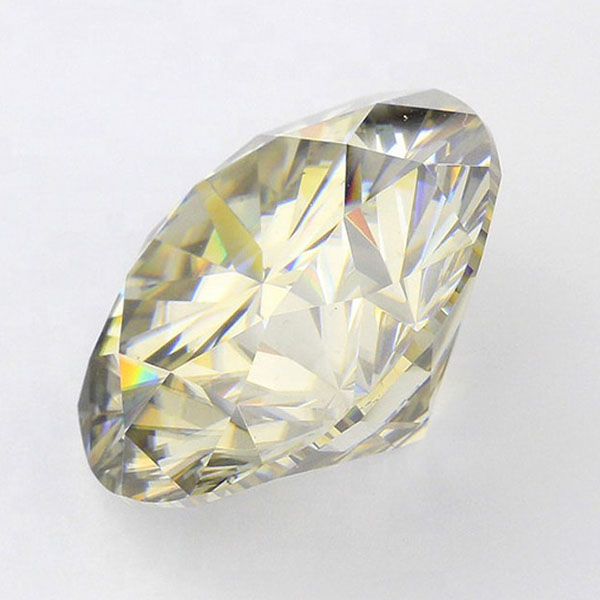
D, E, and F graded diamonds are considered colorless—the highest tier on the GIA scale. Here’s what distinguishes each:
| Grade | Characteristics |
|---|---|
| D | Absolutely colorless; the highest possible grade. Extremely rare even in lab grown diamonds. |
| E | Colorless to the naked eye; only microscopic traces detectable by gemologists. |
| F | Colorless to the naked eye; minor color only visible under magnification. |
Why Stock D-F Lab Diamonds?
- Premium Positioning: Ideal for high-end jewelry lines and engage
- ment rings where customers demand perfection
- Colorless Guarantee: No risk of visible warmth, even in larger carat sizes
- Higher Margins: D-F grades command premium pricing, improving your profit per sale
- Customer Satisfaction: Zero color complaints or returns due to visible tint
Best Settings for D-F Grades
- Platinum and white gold metals (enhances the colorless effect)
- Solitaire engagement rings where the diamond is the focal point
- Halo settings where color consistency is critical
- Three-stone rings with side stones matching in color
Retail Tip: D-F grades are perfect for customers who want “the best” and are less price-sensitive. Position these as your premium collection with pricing 20-30% higher than G-H equivalents.
G-H Near-Colorless Diamonds: The Value Sweet Spot
What Makes G-H Grades Special?
G and H graded diamonds are classified as near-colorless. They offer exceptional value:
| Grade | Characteristics |
|---|---|
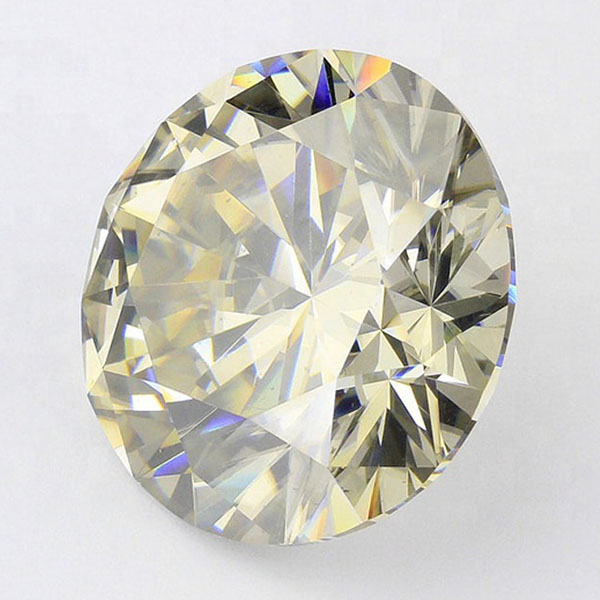
| G | Near-colorless; extremely difficult to detect any color face-up. Excellent value. |
| H | Near-colorless; may show slight warmth face-down, but appears white face-up. Bestseller grade. |
Why Stock G-H Lab Diamonds?
- Best-Selling Category: G and H are the most popular color grades for engagement rings
- Outstanding Value: 15-25% less expensive than D-F grades
- Face-Up White: Both G and H appear colorless when viewed face-up (the normal viewing angle)
- Metal Versatility: Beautiful in yellow gold, rose gold, and white gold
- Higher Volume: Lower price point attracts more customers, increasing turnover
The H Grade: Industry Secret
H color diamonds are widely considered the smartest purchase for most customers. Here’s why:
- Face-up (how the diamond is worn 99% of the time), an H diamond appears identical to a G or even F color
- The price difference allows customers to upgrade in carat weight or clarity
- In yellow or rose gold settings, H color diamonds blend seamlessly
- Even in platinum, H grades show no visible warmth to the average observer
Retail Tip: Market H color as the “value champion”—it’s the grade where smart buyers get maximum beauty for their budget.
D-F vs G-H: Side-by-Side Comparison
| Factor | D-F (Colorless) | G-H (Near-Colorless) |
|---|---|---|
| Naked Eye Appearance | Completely colorless | Colorless when face-up |
| Magnification | No visible color | Slight trace in H grade only |
| Price Point | Premium (+20-30%) | Value (-15-25% vs D-F) |
| Best Metal | Platinum/White Gold | Any metal color |
| Target Customer | Luxury/perfection seekers | Value-conscious buyers |
| Popularity | High-end market | Mass market bestseller |
| Inventory Turnover | Slower, higher margin | Faster, volume sales |
Which Should You Stock? A Retailer’s Strategy
The Balanced Inventory Approach
For most jewelry retailers, the optimal inventory mix is:
| Color Grade | Inventory Allocation | Rationale |
|---|---|---|
| D-F | 20-30% | Premium options for high-end customers |
| G-H | 50-60% | Core inventory targeting the mass market |
| I-J | 10-20% | Budget-friendly options for price-sensitive buyers |
When to Recommend D-F to Customers
- Customer specifically requests “colorless” or “the best”
- Diamond is 2 carats or larger (larger diamonds show color more easily)
- Setting is platinum or white gold
- Customer has mentioned sensitivity to diamond quality
- Building a premium or luxury jewelry line
When to Recommend G-H to Customers
- Customer wants maximum value within budget
- Diamond is under 2 carats
- Setting is yellow or rose gold (these metals mask warmth)
- Customer is undecided between size vs. quality
- Building a mainstream or accessible luxury line
How Lab Grown Diamonds Change the Color Game
Lab grown diamonds offer unique advantages when it comes to color:
1. Consistency in Color Production
Unlike mined diamonds, where color is unpredictable, lab grown diamonds can be produced with precise color control. This means:
- More reliable inventory planning
- Consistent matching for multi-stone pieces
- Fewer surprises when sourcing
2. Price Advantages Amplify Value
Because lab grown diamonds are already 30-35% less expensive than mined diamonds, the price difference between D-F and G-H becomes more approachable:
- Customers can more easily upgrade to D-F color
- H color becomes an exceptional value proposition
- You can offer “premium” color at mainstream prices
3. No “Brown” or “Gray” Undertones
Lower-color mined diamonds sometimes show unattractive brown or gray tints. Lab grown diamonds in the G-H range typically show pure yellow warmth (if any), which is more desirable and easier to market.
Retail Display and Sales Tips
How to Demonstrate Color Differences
-
The Face-Up Test: Show customers that G and H diamonds appear identical to D-F when viewed face-up (the normal wearing position)
-
The Metal Effect: Demonstrate how yellow and rose gold settings make G-H diamonds appear even whiter
-
The Size Factor: Explain that larger diamonds show color more readily, so D-F becomes more important above 2 carats
-
The Budget Reallocation: Show customers how choosing G-H over D-F allows them to increase carat weight or upgrade clarity
Language to Use with Customers
| For D-F Grades | For G-H Grades |
|---|---|
| “The purest, most colorless diamonds available” | “Exceptional value with no visible color to the naked eye” |
| “For those who want absolute perfection” | “Face-up white, indistinguishable from higher grades when worn” |
| “Premium quality for life’s most important moments” | “Smart choice that maximizes your budget” |
| “Investment-grade quality” | “Best-selling color grade for engagement rings” |
Sourcing D-F and G-H Lab Grown Diamonds
When sourcing from wholesale suppliers like Wentworth Diamonds, keep in mind:
For D-F Grades:
- Expect tighter availability in larger sizes
- Pricing reflects the precision required for colorless production
- IGI/GIA certification is essential for customer confidence
- Consider stocking more E and F grades than D (better value proposition)
For G-H Grades:
- Widely available across all sizes
- Best turnover potential
- G grade offers the sweet spot between price and appearance
- H grade is your volume driver
Minimum Order Considerations
With minimum orders starting at 1 carat, you can:
- Test both color grades with minimal risk
- Build a balanced inventory gradually
- Respond to customer preferences in your market
Conclusion: The Right Mix for Your Business
Both D-F colorless and G-H near-colorless lab grown diamonds have important roles in a retail inventory:
- D-F positions your business in the premium space and attracts customers seeking perfection
- G-H drives volume and appeals to the majority of value-conscious buyers
The most successful retailers stock both categories and train their staff to guide customers to the grade that best matches their priorities—whether that’s absolute colorlessness or maximum value.
Ready to Stock Your Inventory?
At Wentworth Diamonds, we offer lab grown diamonds across all color grades (D through H) with:
- Colors: D, E, F, G, H available
- Sizes: 0.003-4 carats
- Purities: FL, IF, VVS, VS
- Certificates: IGI/GIA
- Minimum Order: 1 carat
- Origin: Zhengzhou, China
Contact us today to discuss your color grade needs and build a balanced inventory that serves every customer segment.