O que faz “Somente configurações de anel de diamante” Significar?
Nem toda compra de joias precisa começar com um diamante solto. Para muitos joalheiros, designers, e varejistas, o caminho mais inteligente é comprar apenas anéis de diamante – o suporte de metal pronto, sem pedra – e guardando a seleção do diamante para mais tarde. Quando você compra configurações de toque apenas de fábrica, você ganha acesso a artesanato de nível profissional, qualidade consistente, e preços de atacado que os canais de varejo simplesmente não conseguem igualar. Este guia explica o que é um “somente configurações” ordem na verdade significa, o que você pode esperar de uma fábrica, e como escolher as montagens certas para o seu negócio.
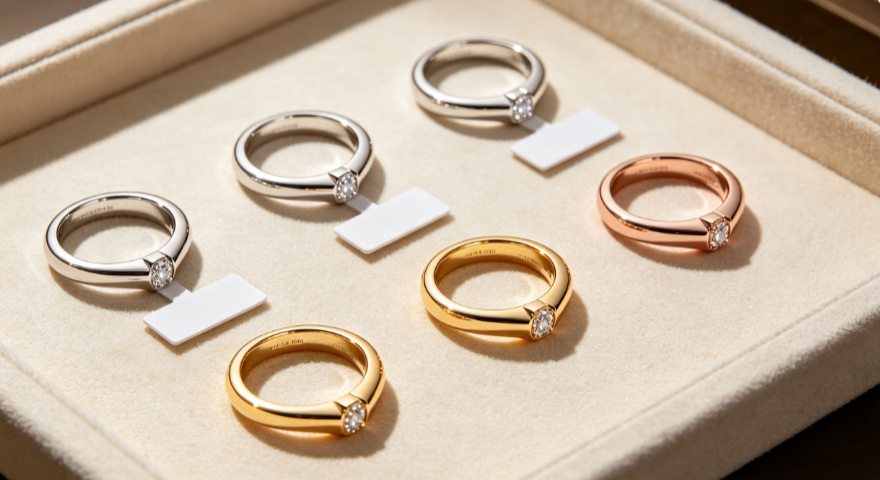
Comprar configurações de anel de diamante significa apenas comprar a montagem de metal completa – a pulseira, a cabeça, e as pontas ou moldura que eventualmente conterão um diamante - sem nenhuma pedra incrustada nele. A montagem chega pronta para um joalheiro cravar o diamante natural ou cultivado em laboratório do próprio cliente posteriormente.
Esta abordagem é popular por vários motivos:
- Os clientes já possuem um diamante e só precisam de um novo lar para ele
- Joalheiros querem oferecer mais designs sem investir capital em pedras
- Os designers querem flexibilidade de configuração personalizada em vez de produtos acabados de uma só pedra
- Os compradores atacadistas precisam de resultados consistentes, montagens repetíveis em volume
Resumidamente, uma ordem somente de configurações é uma ponte entre “Eu tenho um diamante” e “Eu tenho um anel pronto.”
Por que comprar configurações de toque apenas de fábrica?
Comprar diretamente de uma fábrica é muito diferente de comprar em uma loja de varejo. Quando você solicita configurações de anel de diamante somente de uma fonte de fabricação, você está cortando as camadas intermediárias que adicionam custo a cada montagem.
As principais vantagens são:
Menor custo unitário. Os preços de fábrica refletem o volume de produção, não é marcação de varejo. A mesma montagem que uma boutique vende com preço premium pode ser encomendada quase ao custo de produção, especialmente em quantidade.
Qualidade consistente. Uma fábrica que faz milhares de configurações por mês controla sua fundição, acabamento, e processos de inspeção rigorosamente. Cada montagem do mesmo lote deve corresponder às dimensões, peso metálico, e terminar.
Gama de design mais ampla. As fábricas mantêm grandes catálogos de estilos de montagem – paciência, três pedras, halo, canal, pedra de pavimentação, e muito mais – cobrindo muito mais designs do que uma única loja pode estocar.
Opções de personalização. Precisa de um metal diferente, um tamanho de cabeça específico, ou um formato de pino ajustado? Uma fábrica pode ajustar o modelo CAD antes da fundição, algo que uma loja de varejo geralmente não pode oferecer.
Escolhendo o metal para suas montagens
O metal da montagem determina a aparência e a durabilidade a longo prazo do anel acabado. Ao comprar apenas configurações de anel de diamante, as escolhas mais comuns são ligas de ouro e platina. Se você estiver avaliando opções para uma linha de varejo, nossa comparação de 18Ouro K vs 14K vs 9K para configurações de diamantes cultivados em laboratório é um ponto de partida útil - abrange cores, dureza, e comportamento de desgaste em termos simples.
Algumas regras práticas para escolher o metal:
- 14K ouro é o equilíbrio mais vendido entre durabilidade e custo para anéis do dia a dia
- 18K ouro oferece cores mais ricas e maior pureza para linhas premium
- 9K ouro funciona bem para mercados preocupados com o orçamento, onde a dureza é mais importante
- Platina é a escolha mais forte para finos, designs de montagem delicados
Qualquer metal que você escolher, solicite uma montagem de amostra primeiro. Vendo a cor real, peso, e acabamento na mão supera qualquer foto de catálogo.
Escolhendo o estilo de configuração correto
O estilo de fixação da montagem determina como o diamante será segurado e como o anel se comportará ao longo dos anos de uso.. Como você está solicitando apenas configurações, a decisão de estilo é inteiramente sua - e deve combinar com os formatos de diamante que você vende e com a forma como seus clientes usam seus anéis.
Se durabilidade é sua prioridade, nosso guia para qual configuração de diamante é mais durável classifica os estilos comuns de acordo com o quão bem eles protegem uma pedra na vida diária.
Para pedras com pontas pontiagudas, como formas de marquise ou pêra, a ponta precisa de proteção extra. Muitos compradores, portanto, encomendam um Configuração em V para diamantes marquise e pêra cultivados em laboratório então o ponto delicado fica protegido do impacto.
E se seus clientes estão decidindo entre um design discreto e um design com pontas elevadas, as compensações entre os dois são abordadas em nossa comparação de configuração nivelada vs configuração de moldura. Cada estilo muda não apenas a aparência do anel, mas também a forma como a pedra sobrevive ao desgaste diário..
O que verificar antes de fazer um pedido de fábrica
Mesmo a melhor fábrica produz ocasionalmente lotes ruins. Antes de se comprometer com um pedido em massa apenas de configurações de anéis de diamante, verifique esses pontos:
- Precisão do assento de pedra. O assento deve corresponder aos diamantes que você definirá. Envie suas especificações de diamante ou amostras de pedras para que a fábrica possa dimensionar os assentos corretamente.
- Consistência do peso do metal. Pesar amostras de diferentes lotes. Variação significativa significa controle de lançamento desleixado.
- Qualidade de acabamento. Veja as dicas dos pinos, o interior da banda, e a parte inferior da cabeça. O acabamento áspero aparece mais tarde no polimento.
- Espessura e formato do pino. Pontas finas são um atalho comum para corte de custos. A montagem deve parecer substancial o suficiente para segurar uma pedra com segurança durante anos.
Compreender como os defeitos são detectados no chão de fábrica ajuda você a saber o que exigir. Nosso artigo sobre como uma fábrica detecta defeitos de configuração antes do envio percorre as etapas de inspeção que um fabricante responsável executa em cada peça.
Como é feita a montagem
Se você estiver comprando apenas configurações de anel de diamante, ajuda saber o que realmente aconteceu para torná-los. Cada montagem passa pela mesma sequência de produção: o design é modelado em CAD, impresso em cera, fundido em metal, e depois limpo, polido, e inspecionado antes mesmo de chegar até você. A jornada completa é explicada passo a passo em nosso guia para o processo de cravação de diamantes.
Conhecer o processo também ajuda você a se comunicar com a fábrica. Quando você pode falar sobre assentos de pedra, preparação de pinos, e inspeção final no idioma da fábrica, você obtém respostas melhores – e montagens melhores.
O que acontece depois que o monte chega
Assim que seu pedido somente de configurações chegar, a montagem ainda precisa de uma mão habilidosa para se tornar um anel acabado. O diamante deve estar assentado, as pontas apertaram, e a peça polida e verificada – um trabalho que nunca deve ser apressado.
Este também é o momento de pensar em serviços de longo prazo. Uma montaria que foi colocada descuidadamente, ou um pino que nunca foi moldado corretamente, vai se desgastar mais rápido do que deveria. Se você alguma vez vir um pino que parece fino ou uma pedra que parece solta, nosso guia sobre desgaste do pino e quando uma configuração de diamante precisa restaurar a espessura do pino explica o que procurar e como os reparos são feitos.
Conclusão
Comprar anéis de diamante apenas de fábrica é uma das maneiras mais eficientes de construir uma linha de joias sem o custo e o risco de estocar anéis de diamante acabados.. Você obtém montagens de nível profissional a preços de atacado, controle total sobre metal e estilo, e a liberdade de definir seus clientes’ próprios diamantes quando estiverem prontos.
Quer você seja um joalheiro expandindo seu catálogo, um designer lançando uma coleção, ou um varejista testando um novo estilo, a chave é escolher a fábrica certa – uma com qualidade consistente, comunicação clara, e padrões de inspeção honestos. Trabalhando com um experiente fabricante de diamantes cultivados em laboratório significa que seus pedidos somente de configurações são apoiados por pessoas que entendem tanto do lado da produção quanto da peça acabada.
Fonte de nossa fábrica
Configurações de anel de diamante no atacado – compre apenas montagens é fabricado internamente na Wentworth Diamonds - solicite preços de atacado ou especificações personalizadas.