Buying a lab-grown diamond online can save money and expand your choices, but it also creates one obvious problem: you are being asked to trust a certificate before you ever hold the stone in your hand.
That is exactly why report verification matters. A grading report can help you understand what you are paying for, but only if the document is authentic, current, and actually matched to the diamond being offered. Many buyers stop at “the seller showed me a certificate,” which is not enough. The smarter move is to verify the report yourself before payment.
This guide explains how to check a lab-grown diamond certificate online, what details should match the actual stone, and what warning signs should make you pause before sending money.
Why Certificate Verification Matters
When a seller sends you a diamond report, there are really three different questions you should ask:
- Is the report real?
- Does the report belong to this exact diamond?
- Do the quality details on the report match the product page, video, and quoted price?
If you skip any one of those steps, you can still end up overpaying or buying a stone that is not what you expected. Verification protects you from simple listing errors, outdated screenshots, misleading marketing claims, and in the worst case, fake or mismatched paperwork.
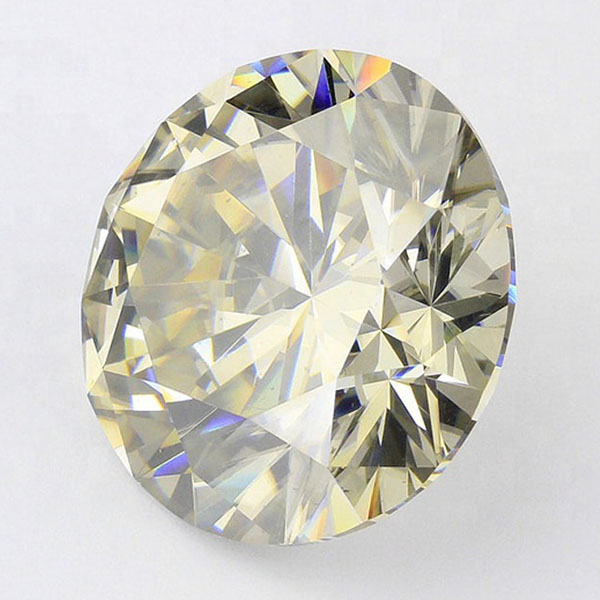
What a Lab-Grown Diamond Certificate Usually Tells You
A report for a lab-grown diamond may include some or all of the following, depending on the issuing laboratory and service level:
- The report number
- Whether the diamond is laboratory-grown
- Shape and cutting style
- Measurements
- Carat weight
- Color and clarity information
- Polish and symmetry details
- Comments about treatments, inscriptions, or growth method when applicable
The report is not meant to replace your eyes, but it gives you a reliable structure for comparison. That is especially useful when you want to compare loose lab grown diamonds across several listings without relying only on seller descriptions.
Step 1: Ask for the Full Report, Not Just a Cropped Screenshot
The first rule is simple: do not evaluate a stone from a partial image of a certificate. Ask for the full report or a complete report image that clearly shows the report number, issue date, measurements, and comments section.
A cropped screenshot can hide important details. For example, the comments section may mention an inscription, treatment, or identifying note that affects how you assess the stone. If a seller hesitates to provide the full report, that is already a reason to be cautious.
Step 2: Verify the Report Number on the Issuing Lab’s Official Website
Once you have the report number, search for it on the official verification page of the issuing laboratory. Reputable labs provide online tools that allow buyers to check whether a report number is valid and retrieve the report details or report summary.
When you run the search, confirm that the record shows the same basic characteristics as the seller’s listing:
- Lab-grown origin
- Shape
- Carat weight
- Measurements
- Report date
If the online record does not exist, shows different specifications, or cannot be verified at all, do not treat the certificate as trustworthy until the seller explains the discrepancy.
Step 3: Match the Report to the Actual Listing
Even if the report itself is real, you still need to make sure it belongs to the exact diamond being sold. This is where many buyers become too relaxed.
Check the listing or quote against the report line by line:
- Is the carat weight identical?
- Do the millimeter measurements match exactly?
- Is the shape the same?
- Are the color and clarity details consistent?
- Does the seller mention the same comments or inscriptions shown on the report?
If a listing says 1.52 ct and the report says 1.50 ct, that is not a small detail. It may simply be a listing mistake, but it may also mean the seller copied the wrong certificate. Either way, you should not proceed until the mismatch is resolved.
Step 4: Ask for the Laser Inscription if the Stone Has One
Many certified diamonds have a microscopic laser inscription on the girdle. This inscription often includes the report number or another identifying mark that helps connect the physical stone to the grading report.
If you are buying a loose stone, ask the seller for a magnified image or video of the inscription. The best-case scenario is simple:
- The report mentions an inscription.
- The seller can show you that inscription clearly.
- The inscription matches the report number or description.
That is one of the strongest practical checks you can do before purchase. If the seller cannot provide it, ask why. Sometimes a mounted stone or photography limitation makes it harder, but a serious seller should still be able to discuss the inscription intelligently.
Step 5: Read the Comments Section Carefully
Most buyers jump directly to carat, color, and clarity. That is understandable, but the comments section often carries some of the most useful information on the report.
This area may include notes about:
- Whether the stone is laboratory-grown
- Post-growth treatment or other treatment disclosure
- Growth method details when reported
- Laser inscription wording
- Other identification remarks
Do not assume that two stones with the same headline grades are equivalent. If one report contains a disclosure or identifying note that the other does not, that difference deserves attention.
Step 6: Compare the Report Against the Video, Not Just the Product Title
A trustworthy listing should look consistent across every piece of information the seller gives you. That means the report, product title, images, and video should all tell the same story.
For example, if a report describes a stone with certain measurements and a certain shape profile, but the video appears to show a visibly different ratio or style, ask questions. If the listing headline sounds far more flattering than the report itself, trust the report, not the marketing language.
Good verification is really a consistency test. When everything lines up, buyer confidence goes up. When multiple small details fail to line up, risk goes up fast.
Step 7: Be Extra Careful With Very Strong Pricing Claims
If the price looks dramatically lower than comparable stones, verification becomes even more important. A bargain is not always fake, but unusual pricing should push you to inspect the details more carefully, not less.
Look at the whole picture:
- Is the report current?
- Is the stone eye-clean in the video?
- Are there any comments that explain the price?
- Does the seller have a clear return policy?
- Can the seller answer technical questions quickly and clearly?
Many problems in diamond buying do not come from obvious fraud. They come from buyers rushing into a deal because the number looked attractive before they checked the underlying details.
How to Verify a Mounted Stone
Verification is easier with a loose diamond than with a mounted diamond, because a loose stone is easier to inspect and photograph. But even if the diamond is already set in jewelry, you can still ask for useful proof.
Ask for:
- The full report
- A high-resolution video of the ring or pendant
- A magnified image of the inscription if visible
- A clear explanation of whether the center stone is the one described in the report
If the inscription cannot be shown because of the setting, the seller should at least explain that limitation clearly instead of avoiding the question.
Red Flags Buyers Should Not Ignore
- The seller only shares a cropped certificate image.
- The report number cannot be verified on the issuing lab’s official site.
- The measurements or carat weight do not match the listing.
- The seller cannot explain the comments section.
- The inscription is mentioned on the report but the seller refuses to discuss it.
- The seller keeps pushing urgency instead of answering basic verification questions.
One minor issue may be an honest mistake. Several issues together usually mean you should stop and reconsider.
What to Ask the Seller Before You Pay
If you want to keep the buying process simple, send the seller these questions:
- Can you send the full diamond report?
- Can you confirm this report belongs to the exact stone in the listing?
- Can you share a magnified image or video of the laser inscription if available?
- Are there any treatments or comments on the report I should pay attention to?
- What is your return policy if the stone does not match the report on inspection?
A professional seller should not find these questions difficult. In fact, a good seller will usually be glad that the buyer is checking carefully.
Why Verification Is About Confidence, Not Just Risk
Many buyers think certificate verification is only about avoiding scams. That is part of it, but the bigger benefit is confidence. Once you know the report is real, matched, and consistent with the listing, you can focus on what actually matters: whether the diamond is beautiful, whether the price is fair, and whether it suits the piece you want to create.
That is also the point where it becomes useful to talk to a real specialist instead of guessing from screenshots. If you want help reviewing a report, narrowing down options, or checking whether a quoted stone looks like a good buy, you can contact our diamond team before making a final decision.
Frequently Asked Questions
Can a fake seller use a real report number?
Yes, that is possible. That is why checking that the report exists is only the first step. You also need to confirm that the report details match the exact stone being sold.
Is a certificate enough to guarantee a good diamond?
No. A report helps verify identity and quality information, but it does not replace video, images, pricing judgment, or seller credibility.
What if the seller says the certificate is “in process”?
That can happen, but you should treat an uncertified or not-yet-certified stone as a different buying situation. Do not price it as if the final report already exists.
Do I need to verify the report even from a professional seller?
Yes. Verification is fast, practical, and worth doing every time. It protects both you and the seller from simple misunderstandings.
What matters most after the report is verified?
Once the report is confirmed, focus on cut quality, face-up appearance, color, clarity, and whether the stone fits your budget and purpose.
Final Takeaway
If you are buying a lab-grown diamond online, verifying the certificate yourself is one of the easiest high-value checks you can do. Start with the official report number search, then match the report to the listing, read the comments carefully, and ask for inscription proof where possible.
That process does not make you difficult. It makes you a careful buyer, and careful buyers usually make better diamond decisions.