El mejor grado de corte para diamantes cultivados en laboratorio suele ser Excelente si está comprando un brillante redondo y desea la opción más segura en cuanto a brillo, fuego, y atractivo visual general. Muchos compradores dedican demasiado tiempo a buscar el color D o la claridad VVS., pero el corte es el factor que más afecta el aspecto vivo de un diamante una vez que está en la mano..
Si estás comparando especificaciones por primera vez, ayuda a pensar en el orden correcto. Primero, Asegúrate de que el diamante esté bien cortado.. Luego compare la claridad, color, y precio. Si necesita ayuda con esas compensaciones, consulte nuestras guías en mejor claridad para diamantes cultivados en laboratorio y Grados de color de diamantes cultivados en laboratorio D-F vs G-H.
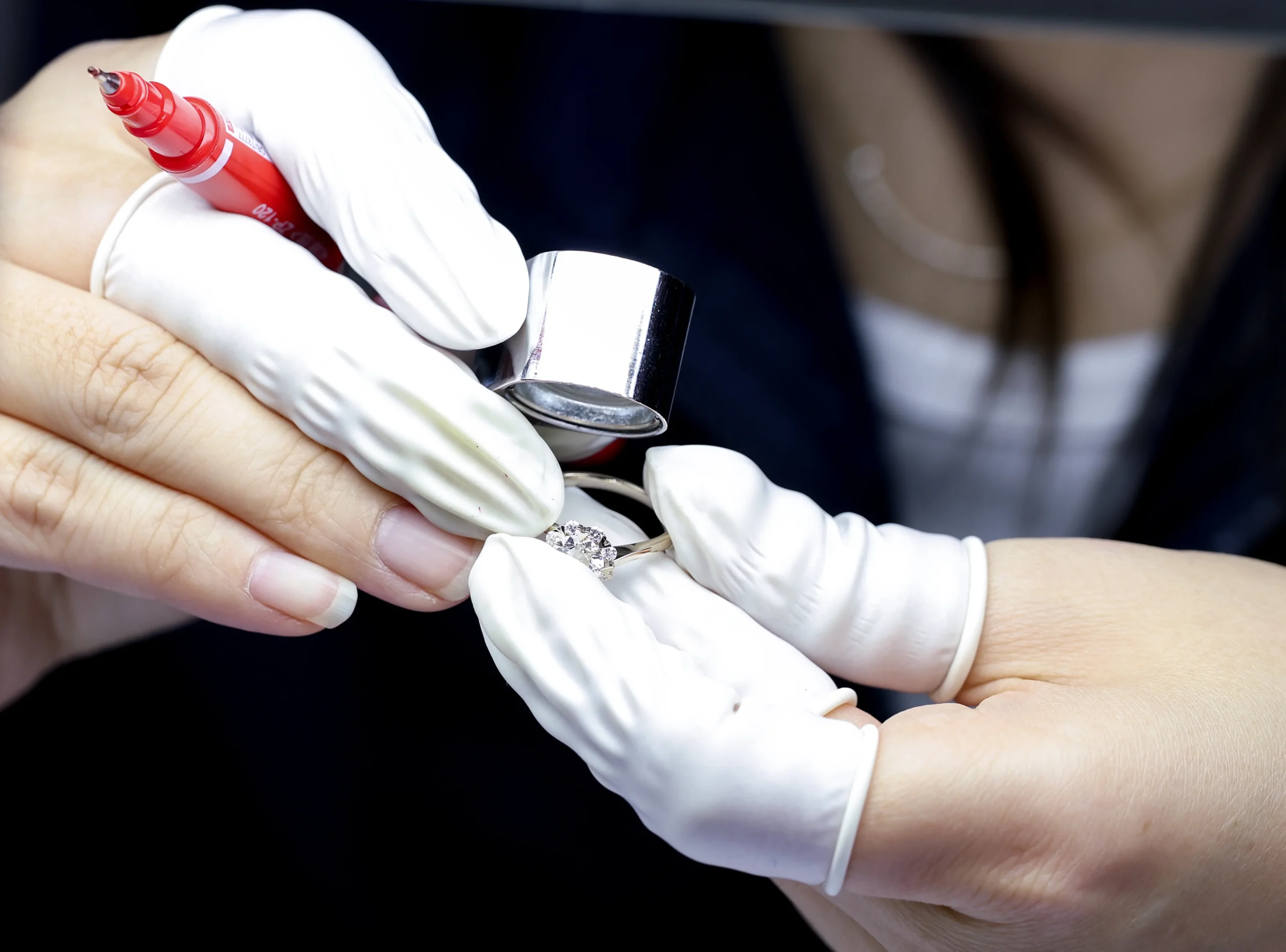
Lo que realmente te dice la calificación de corte
El grado de corte no es lo mismo que la forma.. Un diamante puede ser redondo., oval, almohadón, Esmeralda, o pera, pero la calidad del corte depende de qué tan bien esa forma maneja la luz.. Un corte fuerte devuelve la luz al ojo., creando brillo y contraste. Un corte débil puede hacer que una piedra cara parezca plana, oscuro, o sueño.
Para diamantes redondos brillantes cultivados en laboratorio, una calificación de corte formal es a menudo el punto de partida más claro. En la mayoría de las situaciones de compra, Excelente es la respuesta más segura porque reduce la posibilidad de pagar por una piedra que se ve bien en el papel pero decepciona en persona.
Para formas elegantes como ovalado, pera, marquesa, radiante, y talla esmeralda, la conversación es diferente. Muchas de estas formas no tienen el mismo sistema de clasificación de talla estandarizado que los diamantes redondos., por lo que los compradores deberían confiar más en las proporciones, simetría, visibilidad de pajarita, y vídeos reales en lugar de una sola etiqueta.
¿Excelente es siempre la mejor calidad de corte??
Para diamantes redondos cultivados en laboratorio, Excelente suele ser el mejor grado de corte para los compradores que desean un brillo confiable sin pensar demasiado en cada detalle de proporción.. Especialmente vale la pena priorizar cuando:
- Estás comprando online y necesitas un filtro de papel más seguro.
- Quieres un diamante para un anillo solitario donde el rendimiento ligero sea fácil de notar.
- Estás comparando piedras con peso y precio en quilates similares..
- Quieres que el diamante luzca brillante tanto con luz natural como con iluminación interior..
dicho eso, Muy bien Todavía puede ser una compra inteligente en algunos casos.. Si un diamante tiene un fuerte brillo en la vida real, proporciones equilibradas, y una ventaja de precio significativa, puede ofrecer un mejor valor que una piedra de excelente corte que es sólo marginalmente mejor boca arriba. La clave es no confiar sólo en la etiqueta. Aún necesitas comparar el diamante visualmente..
Si está comprando para un entorno clásico, nuestra guía para el El mejor diamante cultivado en laboratorio para un anillo solitario. explica por qué la calidad de corte a menudo es más importante que alcanzar el grado de claridad o color más alto posible.
5 Comprobaciones que los compradores inteligentes deberían realizar antes de pagar más.
1. Mira más allá de la palabra “Excelente”
Dos diamantes con el mismo grado de talla pueden tener un rendimiento diferente. Comprueba las proporciones generales., tamaño de la mesa, profundidad, polaco, y simetria. Un diamante cultivado en laboratorio que parece equilibrado en el certificado suele ser un mejor punto de partida que uno con proporciones límite..
2. Comparar vídeos, no solo certificados
Cuando los compradores preguntan por qué una piedra parece más nítida que otra con las mismas especificaciones, la respuesta suele ser visible en el vídeo. Comparar brillo, patrón de contraste, y si el centro parece animado o aburrido. nuestra guía sobre cómo comparar diamantes cultivados en laboratorio con las mismas especificaciones recorre ese proceso.
3. No pague de más por el color superior si el corte es más débil
Un diamante perfectamente incoloro con un retorno de luz más débil puede parecer menos impresionante que una piedra de color ligeramente más bajo con un corte más fuerte.. En decisiones de compra reales, muchos compradores obtienen un mejor valor al elegir una piedra de color F o G bien cortada en lugar de buscar primero el color D. La misma lógica se aplica a la claridad.: un diamante VS de apariencia limpia puede superar a un diamante VVS si el corte es mejor.
4. Verifique el certificado antes de comprar
Antes de pagar por cualquier diamante cultivado en laboratorio, confirmar que los detalles del informe coinciden con la piedra que se ofrece. Utilice el número de informe y compruébelo en línea., especialmente si estás comparando varios listados. Nuestra guía paso a paso sobre cómo verificar en línea un certificado de diamante cultivado en laboratorio puede ayudar.
5. Trate las formas elegantes de manera diferente
Para óvalos, peras, marquesa, y algunos radiantes, El mayor problema visual a menudo no es el certificado sino el efecto pajarita o retorno de luz desigual. Eso significa que la mejor calidad de corte para diamantes cultivados en laboratorio con formas elegantes no es algo que se pueda juzgar por una línea en el informe.. Pregunta por vídeos frontales, vídeos de rotación, e imágenes en primer plano antes de comprometerse.
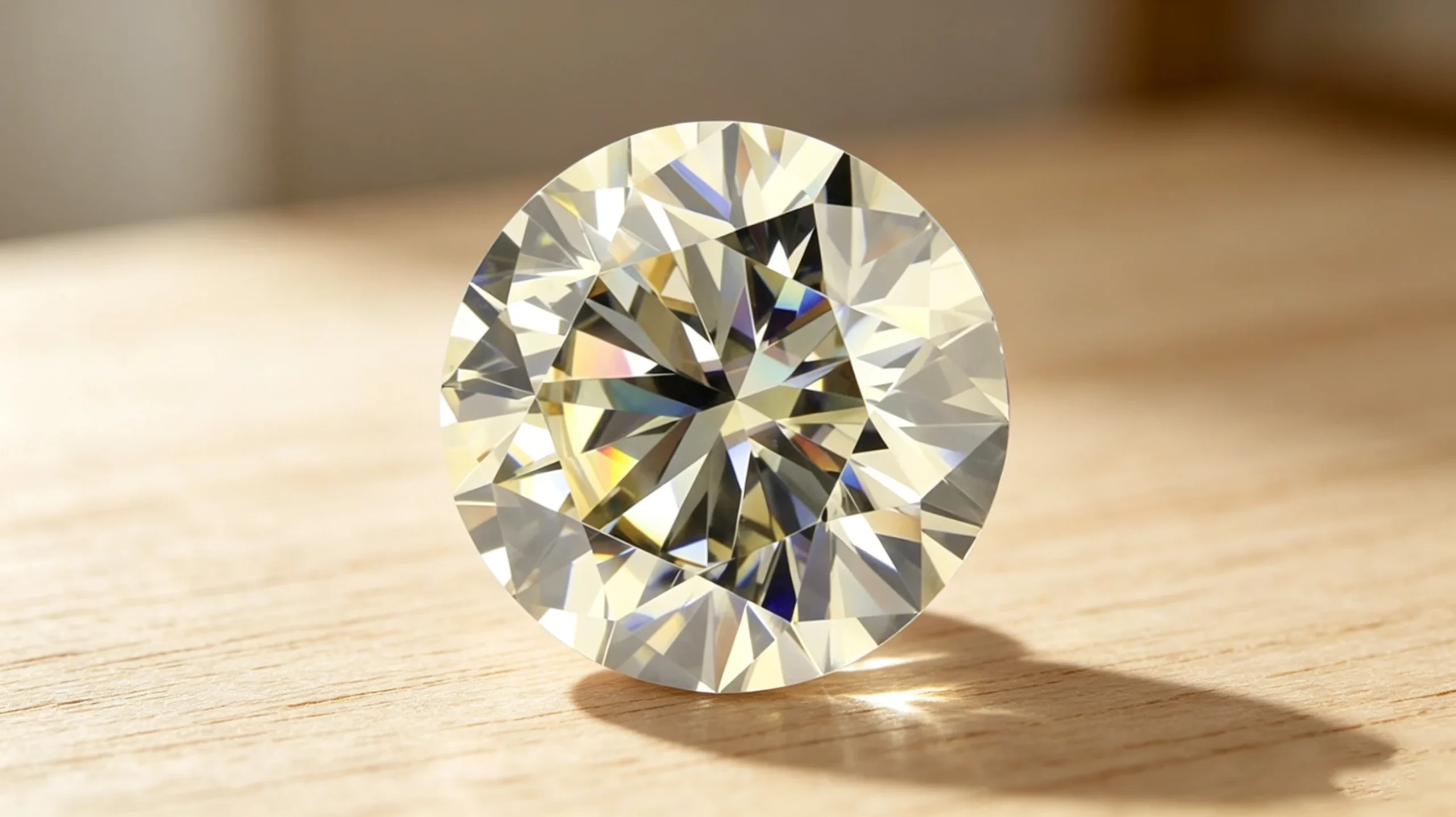
Cómo equilibrar el corte, color, claridad, y presupuesto
Si tu presupuesto es fijo, una orden de compra práctica para la mayoría de los diamantes redondos cultivados en laboratorio es:
- Cortar primero porque el brillo es lo que notas inmediatamente.
- claridad en segundo lugar una vez que la piedra esté limpia de ojos.
- Color tercero según su configuración y su sensibilidad al color.
- Peso en quilates último sólo después de que la piedra todavía se vea viva.
Esta es la razón por la que muchos compradores experimentados prefieren tener un brillante, bien cortado 1.20 piedra ct que un diamante más grande con un rendimiento más débil. Si desea ver el tipo de piedra suelta de alta especificación que los compradores suelen comparar en este rango, este 1.2 ct diamante cultivado en laboratorio color D VVS diamante suelto es un punto de referencia útil.
Para compradores que quieren comparar más opciones, También puedes navegar por nuestro colección de diamantes cultivados en laboratorio y solicite videos uno al lado del otro antes de tomar una decisión final. Esta es a menudo la forma más rápida de detectar si una piedra más barata realmente tiene mejor valor o simplemente tiene un rendimiento de corte más débil..
En pocas palabras
Si compras una piedra redonda, El mejor grado de corte para los diamantes cultivados en laboratorio suele ser Excelente. Le brinda el punto de partida más sólido para obtener brillo y reduce el riesgo al comprar en línea.. Pero los compradores más inteligentes todavía van un paso más allá: comparan proporciones, mira los vídeos, verificar el certificado, y evite pagar de más por mejoras de color o claridad que importan menos que el rendimiento de la luz.
En caso de duda, Elige el diamante que luzca más brillante y equilibrado., no solo el que tiene las especificaciones de papel más impresionantes.