Một phòng thí nghiệm thiết lập kênh đã phát triển ban nhạc kim cương là một trong những nơi sạch sẽ nhất, những cách hiện đại nhất để làm cho chiếc nhẫn trở nên lấp lánh - một hàng kim cương liên tục nằm thẳng hàng giữa hai bức tường kim loại, không có ngạnh làm gián đoạn dòng. Đó là bối cảnh mà mọi người hình dung khi họ muốn một chiếc nhẫn cưới đẹp mắt hoặc một chiếc nhẫn vĩnh cửu có dòng chữ như một dải ánh sáng.. Nhưng đằng sau cái nhìn liền mạch đó là một số công việc khó khăn nhất trong chế tác đồ trang sức.: mỗi viên đá phải phù hợp, mọi chỗ ngồi phải được cắt ở cùng độ sâu, và một cạnh bị sứt mẻ có thể làm hỏng cả hàng. Hướng dẫn này hướng dẫn cách một nhà máy cài đặt thực sự xây dựng một băng tần thiết lập kênh hoàn hảo, từng bước một, và những gì bạn nên kiểm tra trước khi mua.
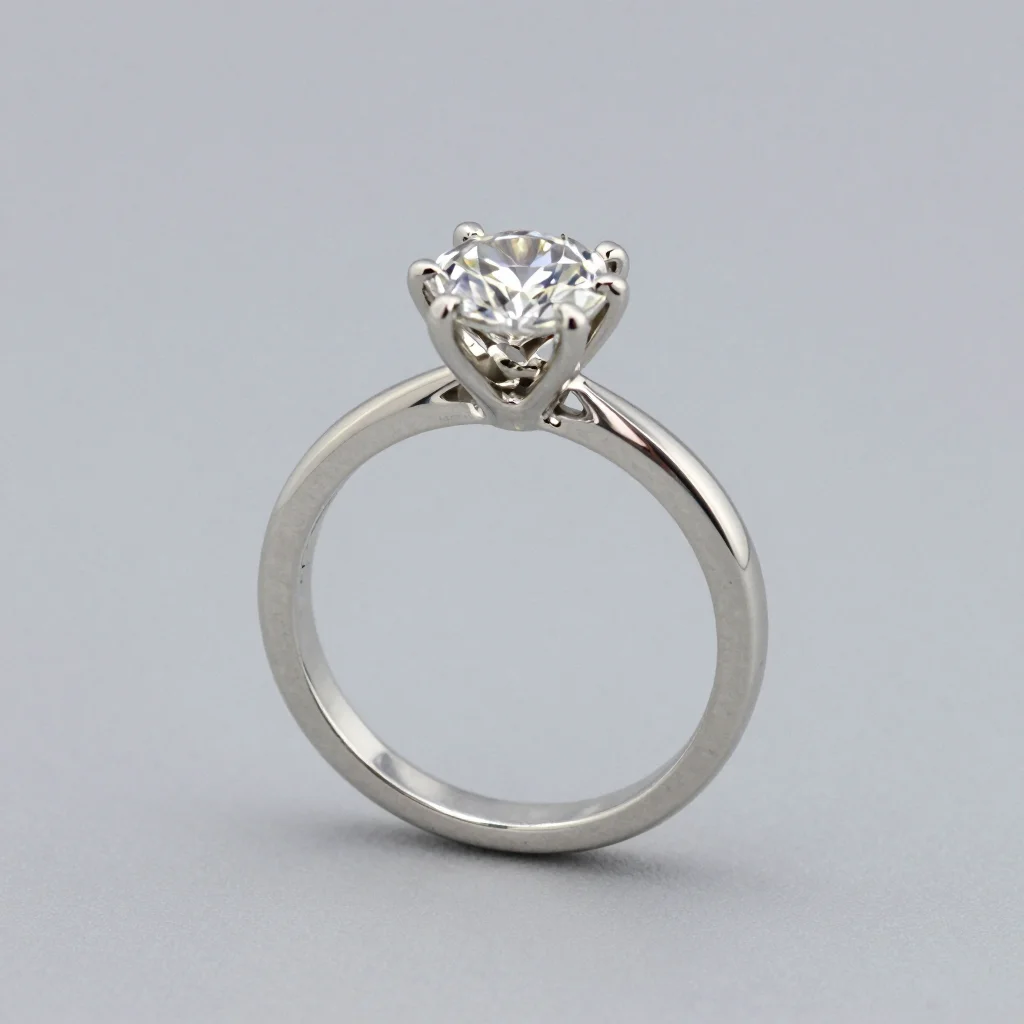
Điều gì làm cho cài đặt kênh trở nên khác biệt
Trong cài đặt kênh, những viên kim cương nằm cạnh nhau bên trong một rãnh được mài vào chuôi nhẫn. Hai thành bên bằng kim loại gập nhẹ trên mép của mỗi viên đá để khóa nó vào - không có ngạnh riêng lẻ và không có hạt, chỉ là một kênh liên tục. Đó là điều mang lại cho ban nhạc sự mượt mà, hình dáng hiện đại và bảo vệ các đai đá tốt hơn so với các ngạnh lộ ra ngoài. Nó là anh em họ hàng gần của micro pad, nhưng nơi pavé sử dụng những hạt nhỏ để giữ nhiều viên đá nhỏ, cài đặt kênh sử dụng chính các thành bên để giữ một hàng vòng đã được hiệu chỉnh, vết cắt công chúa, hoặc bánh mì baguette.
Sự đánh đổi là độ chính xác. Bởi vì những bức tường kim loại làm tất cả việc giữ, những viên đá phải được cắt theo kích thước gần giống nhau và kênh phải được cắt cho phù hợp. Hầu như không có chỗ để làm mờ một hòn đá hơi quá khổ theo cách mà một người thợ mài có thể làm.. Đó là lý do tại sao công việc tạo kênh được thực hiện tốt nhất trong môi trường nhà máy nơi đá có thể được phân loại theo đường kính và kênh được cắt trên khuôn, không tự do ở một băng ghế duy nhất.
Bước chân 1 - Sắp xếp và kết hợp các viên đá
Một kênh hoàn hảo bắt đầu trước khi cắt bất kỳ kim loại nào, với việc phân loại đá. Ngay cả những viên đá được phân loại có cùng trọng lượng carat cũng có đường kính khác nhau vài phần trăm milimet. Trong một kênh, biến thể đó hiển thị dưới dạng một hàng lượn sóng hoặc các khoảng trống không đều. Vì vậy, người thiết kế lấy một lô kim cương lớn hơn được trồng trong phòng thí nghiệm và phân loại chúng theo đường kính đo thực tế, không chỉ trọng lượng carat, sau đó chọn một dãy đá có dung sai khoảng ±0,02 mm. Trận đấu càng gần, hàng hoàn thiện càng thẳng.
Đường kính nhất quán phụ thuộc vào việc cắt nhất quán, đó là lý do tại sao chúng tôi bắt đầu từ những phần thô được cắt tốt. Quy trình của chúng tôi dành cho kiểm soát chất lượng vết cắt và tính đối xứng trước khi đá chạm tới băng ghế là điều khiến cho một cuộc chạy phù hợp có thể diễn ra ngay từ đầu. Vì lý do tương tự, cái lớp cắt tốt nhất trong một kênh quan trọng hơn là trong một ván bài - một hòn đá được cắt kém sẽ nằm kiêu hãnh hoặc thấp và phá vỡ ranh giới.
Bước chân 2 — Cắt kênh theo đúng độ sâu và chiều rộng
Một khi những viên đá đã được khớp, chính kênh đó đã được khắc vào vòng. Chiều rộng của kênh được đặt theo đường kính đá cộng với khoảng hở nhỏ - thường là khoảng 0.05 mm mỗi bên — để đá rơi vào mà không cần dùng sức nhưng không thể nghiêng. Độ sâu là kích thước quan trọng: quá nông và hòn đá nằm quá cao và các bức tường không thể gập lại đủ để giữ nó; quá sâu và hòn đá chìm xuống dưới kim loại và biến mất. Mục tiêu là để bàn của mỗi viên kim cương nằm chính xác với đỉnh của các bức tường kênh.
Đối với một dải thẳng, điều này rất đơn giản. Đối với dải cong hoặc thon - kênh chia độ thu hẹp từ tâm về phía hai bên - chiều rộng kênh thay đổi dọc theo chiều dài của nó, điều đó có nghĩa là các viên đá cũng phải được sắp xếp theo thứ tự chia độ phù hợp. Đây là nơi hầu hết các ban nhạc kênh ngân sách bộc lộ mình: hàng trông có vẻ bị chèn ép hoặc có kẽ hở ở đường cong vì các viên đá không được chia độ theo nó.
Bước chân 3 — Đặt từng viên kim cương một cách chính xác
Với việc cắt kênh, mỗi hòn đá có chỗ ngồi riêng. Một mũi khoan chịu lực cắt một môi nhỏ vào thành trong của kênh ở độ cao chính xác của mỗi đai đá, nên viên kim cương nằm trên một gờ chính xác thay vì trôi nổi trong rãnh. Những viên đá được sắp xếp theo thứ tự và được kiểm tra độ phẳng dưới độ phóng đại. Nếu một người ngồi trên cao, Chỗ ngồi của nó sâu hơn; nếu một người ngồi thấp, nó được đổi lấy một hòn đá cao hơn một chút từ đường chạy đã được sắp xếp.
Đây chính là logic chi phối cài đặt ngạnh so với khung bezel, vừa áp dụng cho một hàng: chỗ ngồi, không phải là kim loại nhìn thấy được, mang đá. Sự khác biệt là trong một kênh, bạn không thể điều chỉnh một viên đá riêng biệt vào cuối quá trình - việc đặt lại một viên đá thường có nghĩa là nới lỏng các viên đá lân cận, vì vậy vé ngồi phải đúng ngay lần đầu tiên.
Bước chân 4 - Đánh bóng tường mà không sứt mẻ
Khả năng giữ cuối cùng đến từ quá trình đánh bóng - sử dụng công cụ bằng thép hoặc vonfram để đẩy một nếp gấp mỏng của thành kênh qua mép của mỗi viên kim cương. Dụng cụ chỉ ép được vài phần mười milimet kim loại, vừa đủ để khóa hòn đá mà không che mặt bàn của nó. Làm tốt lắm, nếp gấp đều và liên tục và hàng đọc như một đường đá liền mạch.
Đây là bước trừng phạt sự vội vàng. Kim cương được trồng trong phòng thí nghiệm là kim cương thật - cứng và giòn ở rìa. Một cú trượt của máy đánh bóng có thể làm sứt mẻ một chiếc đai, và một viên đá bị sứt mẻ trong rãnh không thể được hoán đổi một cách lặng lẽ như một viên đá có ngạnh có thể, bởi vì việc loại bỏ nó sẽ làm xáo trộn nếp gấp trên tường của hàng xóm. Người định cư làm việc chậm, với chiếc nhẫn được giữ chắc chắn, và kiểm tra từng nếp gấp dưới kính lúp trước khi tiếp tục.
Lỗi cài đặt kênh phổ biến (và cách một nhà máy tránh chúng)
- Hàng gợn sóng hoặc không đều - gây ra bởi đường kính đá không phù hợp. Đã sửa lỗi bằng cách phân loại đến ±0,02 mm trước khi cắt.
- Đá chìm — kênh cắt quá sâu. Đã sửa lỗi bằng cách cắt theo mục tiêu độ sâu đo được, không phải bằng mắt.
- Thắt lưng bị sứt mẻ - ép một hòn đá quá khổ hoặc đánh bóng nặng tay. Cố định bằng cách ghép đá với kênh và đánh bóng bằng ánh sáng, áp lực đồng đều.
- Đá lỏng lẻo sau khi mài mòn — tường có nếp gấp quá mỏng hoặc chỉ có một bên. Đã khắc phục bằng cách đánh bóng đồng đều cả hai bức tường và kiểm tra độ căng của từng viên đá trước khi vận chuyển băng.
Mỗi ban nhạc đã hoàn thành đều được kiểm tra: mỗi viên đá được huých bằng một đầu dò bằng đồng để xác nhận rằng nó không có tác dụng gì, và hàng được kiểm tra dưới độ phóng đại để xem độ phẳng và độ gấp đều. Một ban nhạc không đạt được bất kỳ điều nào trong số này sẽ quay trở lại băng ghế dự bị thay vì ra khỏi cửa.
Chọn đá và kim loại cho dải kênh
Bởi vì các bức tường kênh làm nhiệm vụ giữ, vấn đề lựa chọn kim loại. Bạch kim và vàng 18K sáng bóng đẹp mắt và giữ nếp gấp sắc nét, nhưng chúng mềm hơn và có thể biến dạng dưới tác động mạnh; 14Vàng K là nền tảng phổ biến cho một chiếc dây đeo sẽ được đeo hàng ngày. Nếu bạn đang cân kim loại, của chúng tôi 14So sánh vàng K và vàng 18K đi qua sự đánh đổi độ bền một cách chi tiết.
Đối với đá, những đường cắt tròn và đường cắt công chúa là những lựa chọn kênh cổ điển vì các cạnh thẳng và kích thước có thể dự đoán được của chúng rất gọn gàng. Đá baguette và đá cắt ngọc lục bảo tạo nên một kênh nổi bật nhưng đòi hỏi phải sắp xếp chặt chẽ hơn vì các cạnh thẳng dài của chúng làm tăng thêm bất kỳ sự không khớp nào — xem phần của chúng tôi hướng dẫn trồng kim cương trong phòng thí nghiệm cắt ngọc lục bảo vì sao tỷ lệ cắt từng bước lại ít dễ tha thứ hơn. Sự rõ ràng của VS là quá đủ trong một kênh, vì cài đặt ẩn các tạp chất gần vành đai; lời khuyên của chúng tôi về khi VS có giá trị tốt hơn VVS áp dụng gấp đôi ở đây.
Các dải kênh cũng xếp chồng lên nhau rất đẹp. Một băng tần tập hợp kênh mỏng là một trong những băng tần phổ biến nhất nhẫn cưới kết hợp với nhẫn đính hôn hình bầu dục, và cài đặt xả tương tự là điều tạo nên bông tai đinh tán kim cương được trồng trong phòng thí nghiệm Và nhẫn đính hôn pavé đọc như một trường sáng lấp lánh.
Chăm sóc băng tần đặt kênh
Cài đặt kênh có tác dụng bảo vệ - các bức tường che chắn các dầm - nhưng bụi bẩn sẽ bám vào kênh theo thời gian và làm mờ hàng. Vệ sinh thường xuyên giúp đường nét luôn tươi sáng, và kiểm tra hàng năm xem các nếp gấp trên tường có còn chặt hay không là cách bảo hiểm rẻ tiền cho một viên đá bị thất lạc. Của chúng tôi hướng dẫn chăm sóc nhẫn kim cương được trồng trong phòng thí nghiệm bao gồm quy trình làm sạch và lưu trữ phù hợp với băng tần kênh.
Điểm mấu chốt
Một sự hoàn hảo phòng thí nghiệm thiết lập kênh đã phát triển ban nhạc kim cương là một thành tựu sản xuất cũng giống như một thành tựu thiết kế: đá phù hợp, một kênh được cắt chính xác, kim cương được đặt chính xác, và một nếp gấp đều được đánh bóng. Khi cả bốn người xếp hàng, bạn sẽ có được dải ánh sáng liền mạch tạo nên phong cách đáng mơ ước — và khi một dải băng bị trượt, toàn bộ hàng hiển thị nó. Đó là lý do tại sao một quy trình của nhà máy, với đồ gá phân loại và dung sai đo được, đập băng ghế tự do cho cài đặt này mỗi lần. Nếu bạn đang lên kế hoạch cho một băng tần thiết lập kênh và muốn nó được xây dựng theo dung sai của nhà máy, liên hệ với chúng tôi và chúng tôi sẽ hướng dẫn bạn cách chọn đá, kim loại, và kế hoạch sản xuất.