เหตุใดการตัด CVD และ HPHT จึงเริ่มต้นก่อนที่เลื่อยจะหมุน
เมื่อชิ้นส่วนของหยาบที่ปลูกในห้องปฏิบัติการมาถึงห้องเลื่อย, คำถามแรกที่ช่างเทคนิคถามไม่เกี่ยวกับน้ำหนักกะรัตเลย – มันเกี่ยวกับวิธีที่หินเติบโต. ไม่ว่างานจะเป็น CVD vs HPHT ก็ตาม / การเลื่อยเพชรที่ปลูกในห้องปฏิบัติการ, ข้อกังวลแรกของช่างเทคนิคก็เหมือนกัน: ความเครียดและความเค้นล็อคอยู่ภายในคริสตัล. การตัด CVD และ HPHT เป็นงานฝีมือที่แตกต่างอย่างแท้จริง, เนื่องจากวิธีการเติบโตทั้งสองวิธีทำให้เกิดความเครียดที่แตกต่างกัน, ความเครียด, และนิสัยคริสตัลในความหยาบ. รับ การเลื่อยเพชรที่ปลูกในห้องปฏิบัติการ ผิดและหินที่มีแนวโน้มสามารถแตกร้าวไปตามชั้นการเติบโตที่มองไม่เห็น; ทำให้ถูกต้องและความหยาบแบบเดียวกันจะให้ความสว่างมากกว่า, เพชรขัดเงาขนาดใหญ่กว่า.
คู่มือผู้ซื้อส่วนใหญ่หยุดที่ราคาและใบรับรอง. ในโรงงาน การเปรียบเทียบที่น่าสนใจคือโครงสร้าง: หิน CVD จะเติบโตทีละชั้นในห้องสุญญากาศ, ในขณะที่หิน HPHT เติบโตเป็นทรงลูกบาศก์ภายในฟลักซ์โลหะ. ข้อเท็จจริงทั้งสองนี้ตัดสินทุกสิ่งที่ตามมา – วิธีการทำเครื่องหมายความหยาบ, เลื่อยไปทางไหน, และไม่ว่าใบมีดหรือเลเซอร์จะทำงานหรือไม่. หากคุณยังใหม่กับทั้งสองวิธี, ของเรา คู่มือผู้ซื้อ CVD และ HPHT ครอบคลุมพื้นฐาน; ด้านล่างเราจะลึกลงไปอีกระดับหนึ่ง, เข้าไปในห้องเลื่อยนั่นเอง.
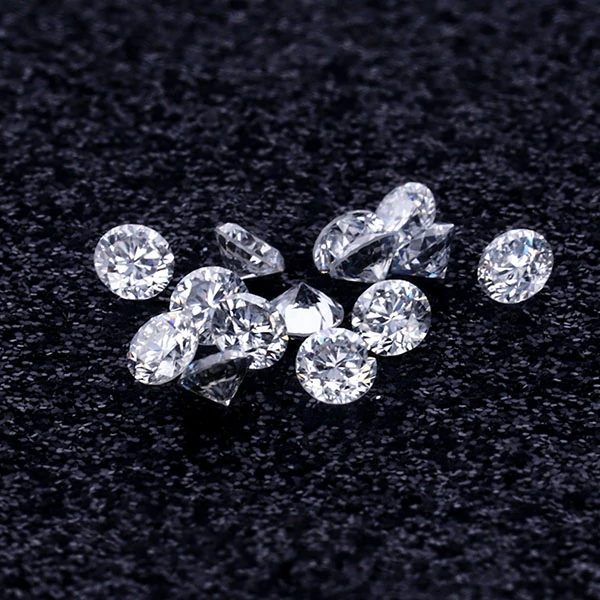
CVD หยาบ: การเจริญเติบโตแบบหลายชั้น, ความเครียดแบบตาราง, และความเสี่ยงต่อการหลุดร่อน
ซีวีดี (การสะสมไอสารเคมี) เพชรถูกสร้างขึ้นทีละอะตอม, ชั้นแล้วชั้นเล่า, บนพื้นเมล็ดเรียบ. การเติบโตแบบหลายชั้นเป็นข้อเท็จจริงที่สำคัญที่สุดประการเดียวในการตัด CVD. มันทำให้ความหยาบกระด้างชัดเจน ทิศทางการเติบโต, และล็อคความเค้นตกค้างระหว่างชั้นต่างๆ.
ภายใต้โพลาริสโคป, CVD หยาบมักแสดงลักษณะเฉพาะ ความเครียดแบบตาราง ลวดลาย – กว้างๆ, แถบสีแทรกซ้อนหลายชั้นที่ติดตามแนวการเติบโต. นี่ไม่ใช่ข้อบกพร่อง; เป็นบันทึกทางกายภาพว่าหินถูกสร้างขึ้นอย่างไร. แต่มันมีผลที่ตามมา: หินนั้นอ่อนแอที่สุดขนานกับชั้นการเจริญเติบโต, โดยที่ชั้นหนึ่งถูกวางทับชั้นถัดไป. เลื่อยใกล้กับเครื่องบินนั้นมากเกินไป, หรือตัดด้านที่เน้นความเครียด, สามารถทำให้หินแตกหรือ “เปลือก” ตามแนวขอบของชั้น – โหมดความล้มเหลวการค้าเรียกการแยกส่วน.
การตอบสนองของโรงงานคือการ อ่านทิศทางการเติบโตก่อนตัดใดๆ, จากนั้นจึงปรับระนาบเลื่อยให้ตัดผ่านชั้นต่างๆ ในมุมที่ปลอดภัย แทนที่จะวิ่งไปตามชั้นเหล่านั้น. ความเครียดไม่ได้ถูกลบออก, แต่ได้รับการออกแบบทางวิศวกรรมโดยรอบ. CVD แบบหยาบก็มีแนวโน้มที่จะมาในรูปแบบตารางเช่นกัน, รูปร่างคล้ายจาน, ซึ่งแนะนำผลผลิตที่ประหยัดที่สุดแล้ว – และแผนการเลื่อยจะต้องคำนึงถึงทั้งรูปร่างและแรงตึงด้วย.
HPHT หยาบ: นิสัยทรงลูกบาศก์, การรวมโลหะ, และความเครียดภาค
HPHT (แรงดันสูง, อุณหภูมิสูง) เพชรเติบโตได้ในแรงกดดันอันมหาศาล, เลี้ยงด้วยตัวเร่งปฏิกิริยาโลหะหลอมเหลว – โดยทั่วไปแล้วจะเป็นเหล็ก, นิกเกิล, หรือโคบอลต์. ผลลัพธ์ที่ได้คือคริสตัลทรงลูกบาศก์ที่มีความท้าทายในการตัดที่แตกต่างกันมาก.
อย่างแรกก็คือ การรวมโลหะ. ร่องรอยของฟลักซ์ตัวเร่งปฏิกิริยามักจะถูกแช่แข็งลงในคริสตัลเหมือนเป็นจุดโลหะเล็กๆ. สิ่งเหล่านี้ไม่เป็นอันตรายเมื่อสวมใส่แต่เป็นศัตรูกับใบเลื่อย: การรวมเหล็กจะคว้า, ความร้อน, และหยุดใบมีดหรือโยนการตัดออกจากแกน. นอกจากนี้ยังเป็นหนึ่งในวิธีที่แน่นอนที่สุดในการระบุนิ่ว HPHT. สำหรับห้องเลื่อย กฎนั้นเรียบง่าย – แมปการรวมก่อน, จากนั้นจึงกำหนดเส้นทางระนาบเลื่อยไปรอบๆ, หรือเปลี่ยนไปใช้เลเซอร์ ที่ทำให้โลหะกลายเป็นไอแทนที่จะสู้กับมัน.
ประการที่สองคือ ความเครียดภาค. คริสตัล HPHT เติบโตในภาคส่วน – ใบหน้าที่เติบโตเป็นลูกบาศก์และใบหน้าที่เติบโตเป็นรูปแปดด้านนั้นสร้างออกไปด้านนอกในอัตราที่ต่างกันและมีการดูดซึมสิ่งเจือปนที่แตกต่างกันเล็กน้อย. ที่ที่ทุกภาคส่วนมาพบกัน, ความเครียดสะสม. ต่างจากชั้นแนวนอนที่เรียบร้อยของ CVD, ความเครียด HPHT แผ่ออกมาจากศูนย์กลางตามแนวขอบเขตของเซกเตอร์, ช่างเทคนิคจึงอ่านแกนผลึกศาสตร์แทนที่จะอ่านแนวการเติบโตเดี่ยว. ที่ {111} เครื่องบินแตกแยก, เพชรที่แยกออกได้ง่ายที่สุด, จะต้องได้รับการเคารพไม่ว่าจะเติบโตด้วยวิธีใดก็ตาม, แต่สำหรับงานหยาบ HPHT ช่างเทคนิคยังต้องหลีกเลี่ยงการวางเลื่อยผ่านทางแยกที่มีความเครียด.
การอ่านคริสตัล: โรงงานเลือกทิศทางการเลื่อยอย่างไร
การเลือกทิศทางการเลื่อยถือเป็นการตัดสินใจที่มีเดิมพันสูงสุดในกระบวนการทั้งหมด, เพราะมันล็อคผลตอบแทนสุดท้ายและการวางแนวของทุกแง่มุมที่ตามมา. สำหรับการเติบโตทั้งสองวิธี โรงงานจะปฏิบัติตามลำดับระเบียบวินัยเดียวกัน.
การตรวจสอบโพลาริสโคป
ชิ้นงานหยาบทุกชิ้นจะถูกตรวจสอบโดยใช้โพลาริสโคปก่อน. นิ่ว CVD เผยให้เห็นความเครียดแบบตาราง; หิน HPHT เผยให้เห็นความเค้นของเซกเตอร์รัศมีและรัศมีรอบการรวมโลหะ. ช่างเทคนิคจะสเก็ตช์แผนผังความเครียดลงบนพื้นที่ขรุขระโดยตรง, เพราะไม่มีหินสองก้อน – แม้จะมาจากผู้ปลูกรายเดียวกันก็ตาม – แบกความเครียดไว้ที่เดียวกัน.
การแมปการรวมก่อนการตัดครั้งแรก
ถัดไปหยาบจะต้องอยู่ภายใต้กล้องจุลทรรศน์, และเพิ่มมากขึ้นผ่านซอฟต์แวร์การทำแผนที่การรวมอัตโนมัติ, เพื่อค้นหาทุกการรวม, ขนนก, และความเข้มข้นของความเครียด. เส้นเลื่อยที่วางแผนไว้จะถูกวาดขึ้นเพื่อรักษาส่วนที่มีมูลค่าสูงสุดของการรวมหยาบไว้ และเพื่อหลีกเลี่ยงการข้ามเส้นความเค้นที่มุมตื้น. นี่คือจุดที่การตัด CVD และ HPHT แตกต่างอย่างชัดเจนที่สุด: สำหรับ CVD แผนจะคำนึงถึงแนวการเติบโตแบบชั้น, สำหรับ HPHT จะเคารพขอบเขตของเซกเตอร์และฟลักซ์ของโลหะ.
การเลื่อยด้วยเลเซอร์และการเลื่อยใบมีด: จับคู่เครื่องมือกับวิธีการเติบโต
เมื่อกำหนดทิศทางได้แล้ว, โรงงานเลือกเครื่องมือ. แบบดั้งเดิม เลื่อยใบมีด ใช้แผ่นฟอสเฟอร์-บรอนซ์บาง ๆ ชาร์จด้วยผงเพชร, ตัดอย่างช้าๆ ด้วยน้ำมันและกรวดเพชร. มันอ่อนโยน, แม่นยำ, และแทบไม่เพิ่มความร้อนเลย – เหมาะสำหรับงานหยาบ CVD, โดยที่สิ่งสำคัญคือการหลีกเลี่ยงการรบกวนความเครียดในชั้นต่างๆ. ใบมีดที่ตัดผ่านชั้นการเจริญเติบโตอย่างหมดจดจะเปิดหินโดยไม่เกิดรอยแตกร้าวตามพวกมัน.
เลื่อยเลเซอร์, ในทางตรงกันข้าม, ทำให้รอยตัดเพชรแคบกลายเป็นไอด้วยลำแสงที่โฟกัส. เร็วกว่าและไม่สนใจทิศทางความแข็ง – แต่มันสร้างความร้อนและความเสียหายแบบกราไฟท์เป็นบริเวณบางๆ. การเลื่อยด้วยเลเซอร์เป็นตัวเลือกแรกของโรงงานสำหรับการตัดหยาบ HPHT ที่มีส่วนผสมของโลหะ, เพราะลำแสงตัดผ่านจุดตัวเร่งปฏิกิริยาที่จะขัดขวางใบมีด. นอกจากนี้ยังใช้สำหรับหยาบใดๆ ที่เส้นที่วางแผนไว้ตัดผ่านทิศทางผลึกศาสตร์ที่ยากลำบาก. การแลกเปลี่ยน – รอยตัดที่ใหญ่ขึ้นเล็กน้อยและขอบที่ได้รับผลกระทบจากความร้อน – จะถูกทำความสะอาดในขั้นตอนการช้ำและการขัดเงาที่ตามมา.
ทางเลือกไม่เคยเป็นอุดมการณ์; มันเข้ากันกับหิน. แผ่น CVD ที่สะอาดอาจไม่เคยเห็นเลเซอร์เลย, ในขณะที่คริสตัล HPHT ที่รวมอยู่จำนวนมากอาจถูกเลื่อยด้วยเลเซอร์ตั้งแต่ต้นจนจบ. หลังจากเลื่อย, ส่วนหยาบจะเคลื่อนไปสู่รอยช้ำแล้วจึงขัดเงา, โดยที่การเคารพทิศทางการเติบโตยังคงดำเนินต่อไป – บันทึกของเราเกี่ยวกับ ข้อควรระวังในกระบวนการขัดเงา ศึกษาว่าขั้นตอนต่อไปจะปกป้องผลผลิตที่ห้องเลื่อยเพิ่งได้รับได้อย่างไร.
สิ่งนี้หมายถึงอะไรสำหรับผลผลิต, ความทนทาน, และราคาที่คุณจ่าย
เหตุใดเรื่องนี้จึงสำคัญต่อผู้ซื้อ? เพราะทิศทางการเลื่อยเป็นจุดที่มูลค่าถูกสร้างขึ้นหรือสูญหาย. การตัดแบบเน้นที่ไม่ดีจะทำให้เสียงานหยาบ, ช่วยลดน้ำหนักกะรัตสุดท้าย, และอาจทิ้งความเค้นตกค้างไว้ซึ่งปรากฏในภายหลังเป็นขนนกใต้โต๊ะได้. การตัดที่มุ่งเน้นอย่างดีจะเพิ่มผลผลิตสูงสุด, ช่วยให้หินมีโครงสร้างแข็งแรง, และปล่อยให้เครื่องขัดเงาไปในมุมที่ให้ความแวววาวอย่างแท้จริง.
นี่คือเหตุผลว่าทำไมหินสองก้อนที่มีสเปค 4C เหมือนกันจึงมีรูปลักษณ์และประสิทธิภาพที่แตกต่างกัน. ใบรับรองจะบันทึกผลลัพธ์, ไม่ใช่การวางแผนที่สร้างมันขึ้นมา. หากคุณต้องการทำความเข้าใจว่าตัวเลขที่เจียระไนเหล่านั้นหมายถึงอะไรบนหินที่เสร็จแล้ว, คำแนะนำของเราเกี่ยวกับ เกรดการเจียระไนที่ดีที่สุดสำหรับเพชรที่ปลูกในห้องทดลอง แจกแจงสิ่งที่ต้องตรวจสอบก่อนชำระค่าเกรดพรีเมียม. และเนื่องจากนิ่ว CVD และ HPHT มีความเครียดภายในที่แตกต่างกัน, ห้องทดลองที่ให้คะแนนพวกเขามองหาสิ่งที่แตกต่างกัน – ของเรา การเปรียบเทียบ IGI กับ GIA สำหรับเพชรที่ปลูกในห้องปฏิบัติการ อธิบายว่าห้องปฏิบัติการแต่ละแห่งรายงานวิธีการเติบโตและความเครียดที่มาพร้อมกับมันอย่างไร.
จากหยาบไปจนถึงขัดเงา: เราควบคุมทุกขั้นตอนอย่างไร
ที่เวนท์เวิร์ธ ไดมอนด์ส, การเลื่อยไม่ใช่ขั้นตอนเดียวที่ส่งมอบให้กับผู้รับเหมาช่วง – มันอยู่ภายในอันต่อเนื่องกัน, กระบวนการตรวจสอบ. หยาบถูกบันทึกไว้, แมปความเครียด, และเลื่อยเทียบกับแผนที่มีการทบทวนก่อนการตัดครั้งแรก. ทีมเดียวกับที่อ่านโพลาริสโคปติดตามก้อนหินผ่านการช้ำ, ขัด, และการควบคุมคุณภาพขั้นสุดท้าย, ดังนั้นการตัดสินใจเกี่ยวกับทิศทางการเติบโตที่ทำกับเลื่อยจึงได้รับการยกย่องไปจนถึงผลงานที่ยอดเยี่ยม.
ความต่อเนื่องคือสิ่งที่ปกป้องทั้งผลผลิตและคุณภาพ. หากเป็นก้อนหินจะเผยให้เห็นถึงปัญหาที่เกี่ยวข้องกับความเครียด, เราต้องการหามันภายใต้โพลาริสโคปของเรา – ไม่ใช่อยู่ที่นิ้วของลูกค้า. ดูวิธีที่เราดำเนินการควบคุมดังกล่าวต่อไปในภาพรวมของเรา คุณภาพการตัดจากโรงงานและความสมมาตรก่อนที่หินจะถึงโต๊ะ, จากนั้นเรียกดูของเรา เพชรที่ปลูกในห้องปฏิบัติการ เพื่อให้ได้หินที่เจียระไนด้วยความเอาใจใส่ในระดับนี้.
ไม่ว่าคุณจะซื้อหินที่ผ่านการรับรองหินเดียวหรือจัดหาพัสดุขายส่ง, ทำความเข้าใจความแตกต่างระหว่างการตัด CVD และ HPHT – และการรู้ว่าซัพพลายเออร์ของคุณช่วยจัดการทิศทางการเลื่อยและความเครียดในการเติบโตได้จริง – คือความแตกต่างระหว่างหินที่ตรงตามสเป็คกับหินที่มีประสิทธิภาพ. ทำได้ดีมาก, การตัด CVD และ HPHT / การเลื่อยเพชรที่ปลูกในห้องปฏิบัติการเปลี่ยนความหยาบที่ไม่แน่นอนให้ได้รับการรับรอง, หินที่ยอดเยี่ยม. พูดคุยกับทีมงานของเรา เกี่ยวกับโครงการต่อไปของคุณ, และเราจะพาคุณผ่านความยากลำบาก, แผน, และการขัดเงา.