ที่ Lab Grown Diamond Stud ต่างหู เป็นขั้นตอนเดียวที่ตัดสินความฉลาดและความปลอดภัยร่วมกัน. โรงงานสามารถจัดหาหินหยาบและขัดเงาที่ดีเยี่ยมได้, แต่หากงานจัดฉากเร่งรีบ, ต่างหูจะดูแบนหรือสูญเสียก้อนหินภายในไม่กี่เดือน. สำหรับผู้ซื้อปลีกและผู้ค้าอัญมณีที่ต่างหูสตั๊ดแบรนด์เอกชน, การทำความเข้าใจว่าการตั้งค่าโรงงานควบคุมการจัดตำแหน่งการตัดและงานง่ามอย่างไร คือความแตกต่างระหว่างผลิตภัณฑ์ที่ขายครั้งเดียวกับผลิตภัณฑ์ที่สร้างคำสั่งซื้อซ้ำ.
ที่โรงงานของเรา, เส้นต่างหูสตั๊ดถือเป็นกระบวนการที่มีความแม่นยำ, ไม่ใช่ขั้นตอนสุดท้าย. คู่มือนี้จะอธิบายวิธีการควบคุมคุณภาพการตัดและการตั้งค่าง่ามบนโต๊ะทำงาน, และสิ่งที่ผู้ซื้อควรตรวจสอบก่อนอนุมัติชุดการผลิต. หากคุณยังใหม่กว่าสเปคเพชร, คำแนะนำของเราเกี่ยวกับ เกรดการเจียระไนที่ดีที่สุดสำหรับเพชรที่ปลูกในห้องทดลอง อธิบายว่าทำไมการเจียระไนจึงมาก่อนสีและความชัดเจน.
เหตุใดการตั้งค่าจึงควบคุมทั้งความแวววาวและความคงทน
ต่างหูสตั๊ดไม่อาจให้อภัยได้. เพชรนั่งข้างหน้า, รับแสงจากทุกมุม, และสวมใส่บนผิวหนังที่เคลื่อนไหว, เหงื่อออก, และกระแทกกับเส้นผม, โทรศัพท์, และเสื้อผ้า. นั่นหมายถึง Lab Grown Diamond Stud ต่างหู มีสองงานที่ดึงไปในทิศทางตรงกันข้าม:
- เพิ่มแสงกลับสูงสุด โดยถือหินให้อยู่ในระดับความสูงและมุมที่เหมาะสมเพื่อให้เม็ดมะยมและโต๊ะโผล่ออกมาจนสุด.
- ล็อคหินให้เข้าที่ มีง่ามที่ยึดเข็มขัดไว้แน่นพอที่จะสวมใส่ได้ทุกวันแต่ไม่ปิดบังด้านข้าง.
หากผู้เซ็ตวางหินไว้ลึกเกินไป “ได้รับการยึดเกาะที่ดีขึ้น,” ขอบตะกร้าบังมงกุฎและต่างหูดูเล็กลงและเข้มขึ้น. หากผู้เซ็ทเตอร์ทิ้งหินไว้สูงเกินไปเพื่อให้เกิดประกายไฟสูงสุด, ง่ามสัมผัสกันน้อยลงและหินมีแนวโน้มที่จะคลายตัวมากขึ้น. โรงงานที่มีการจัดวางที่ดีจะสร้างสมดุลให้กับชิ้นงานทุกชิ้น.
โรงงานควบคุมการตัดอย่างไรก่อนตั้งหิน
ความแวววาวไม่ได้เกิดขึ้นที่โต๊ะจัดฉาก; มันถูกปกป้องที่นั่นเท่านั้น. จะต้องควบคุมการตัดล่วงหน้า, ในขั้นตอนการขัดเงา. ก่อนที่หินใดๆจะถึงแนวต่างหู, โรงงานของเราตรวจสอบสัดส่วนเดียวกันกับที่ผู้ซื้อควรตรวจสอบในใบรับรอง. เพื่อความเงางามแบบกลม, การตัดที่ดีเยี่ยมเป็นพื้นฐานที่ปลอดภัยที่สุด เนื่องจากให้แสงสว่างสม่ำเสมอ และเบาะนั่งในตะกร้าสี่ขามาตรฐานสามารถคาดเดาได้.
สำหรับผู้ซื้อเปรียบเทียบรูปทรงแฟนซี, กฎแตกต่างกัน. อา เพชรปริ๊นเซสคัทที่ปลูกในห้องทดลอง มีมุมที่ต้องป้องกันด้วยง่ามตัววี, ในขณะที่ทรงกลมและวงรีทำงานได้ดีกับง่ามโค้งมนมาตรฐาน. ไม่ว่าจะมีรูปร่างแบบไหนก็ตาม, ความขัดเงาและความสมมาตรที่ก่อตั้งขึ้นในตัวเรา กระบวนการขัดเพชรหลวม กำหนดโดยตรงว่าหินจะแวววาวสม่ำเสมอแค่ไหนเมื่อตั้งไว้แล้ว.
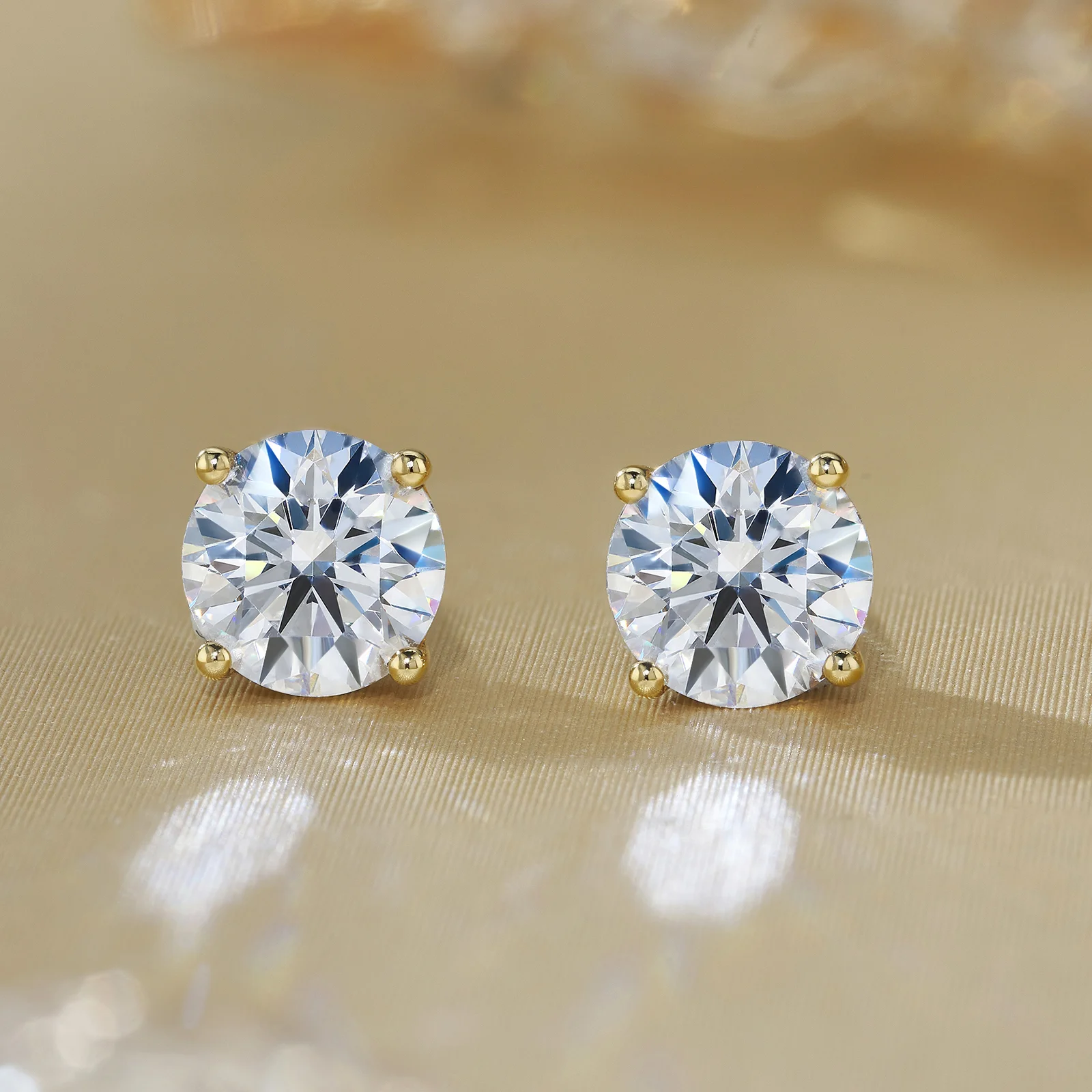
การตรวจสอบการตัดสามครั้งที่โรงงานทำก่อนการตั้งค่า
- สัดส่วนที่ตรงกัน - โต๊ะ, ความลึก, และมุมมะยมได้รับการยืนยันกับใบรับรองเพื่อให้สามารถเลือกตะกร้าให้ได้ขนาดมิลลิเมตรที่ถูกต้อง.
- สภาพผ้าคาดเอว — ผ้าคาดเอวที่บางเกินไปหรือบิ่นถูกปฏิเสธ, เนื่องจากง่ามยึดผ้าคาดเอวและผ้าคาดเอวที่อ่อนแอหมายความว่ามีความเสี่ยงสูงที่จะเกิดการบิ่นภายใต้แรงกดของง่าม.
- สมมาตรและขัดเงา — เหลี่ยมมุมจะต้องจัดวางให้ตรงกันเมื่อฝังหินแล้ว, แสงกลับสม่ำเสมอและไม่เอียงไปด้านใดด้านหนึ่ง.
หากสิ่งใดสิ่งหนึ่งเหล่านี้ล้มเหลว, หินจะถูกส่งกลับก่อนการตั้งค่า. นี่คือเหตุผลว่าทำไมความชัดเจนจึงมีความสำคัญน้อยกว่าการตัดเพื่อให้เกิดประกายไฟ: หิน VS ที่สะอาดและเจียระไนอย่างดีมักจะมีประสิทธิภาพเหนือกว่าหิน VVS ที่มีความสมมาตรน้อยกว่าเสมอ. การพังทลายของเรา เมื่อ VS มีค่าดีกว่า VVS อธิบายการแลกเปลี่ยนนั้นอย่างละเอียด.
งานง่าม: ที่ซึ่งหินนั้นถูกยึดอยู่จริง
เมื่ออนุมัติการตัดแล้ว, ที่ Lab Grown Diamond Stud ต่างหู จะถูกตัดสินที่ม้านั่งสำรอง. หน้าที่ของผู้จัดเซตคือสร้างสี่อัน (หรือสาม, หรือหก) ง่ามโลหะเล็กๆ ยึดหินไว้อย่างแน่นหนาโดยไม่ขโมยแสง. การควบคุมที่สำคัญคือ:
1. ตะกร้าและการเลือกหัว
ตะกร้านี้ทำไว้ล่วงหน้าตามขนาดเส้นผ่านศูนย์กลางของหิน, ไม่ได้ถูกบังคับให้พอดี. ตะกร้าที่มีขนาดใหญ่เกินไปหมายความว่าง่ามจะต้องยื่นเข้าไปด้านในและคลุมมงกุฎมากขึ้น. ตะกร้าที่เล็กเกินไปหมายถึงหินตั้งสูงและมีง่ามรับน้ำหนักมากเกินไป. เราเลือกหัวถึงหิน, ไม่เคยเป็นอย่างอื่น.
2. ความสูงของง่ามและการตัดเบาะนั่ง
แต่ละง่ามมีรอยบากเล็กๆ, ที่ “ที่นั่ง,” ตัดเข้าไปเพื่อให้ผ้าคาดเอวอยู่ในเปลแทนที่จะอยู่บนขอบแบน. ที่นั่งถูกตัดด้วยเสี้ยนที่ปรับให้เข้ากับเส้นผ่านศูนย์กลางของหิน. หากเบาะนั่งสูงเกินไป, ปลายง่ามต้องพับมากเกินไปและดูเทอะทะ; ถ้าต่ำเกินไป, หินสามารถเอียงได้. เป้าหมายคือให้ผ้าคาดเอวนั่งประมาณกึ่งกลางของง่าม, โดยให้ปลายง่ามพับอยู่เหนือขอบเม็ดมะยม.
3. การกระชับและการตกแต่งง่าม
ง่ามถูกขันให้แน่นโดยใช้เครื่องมือดันและค้อนขนาดเล็ก, จากนั้นปิดท้ายด้วยเสี้ยนแบบถ้วยที่ล้อมรอบปลายเพื่อให้เรียบเนียนกับผิวหนังและไร้สิ่งกีดขวาง. ง่ามแต่ละอันจะถูกทดสอบด้วยหัววัดทองเหลือง หากหินเคลื่อนตัวภายใต้แรงกดเบา ๆ, มันกลับไปที่ม้านั่ง.
ขั้นตอนเหล่านี้จะเหมือนกันไม่ว่าจะเป็นโลหะที่เป็นแพลตตินัม, ทองคำขาว, หรือสีเหลืองทอง. ความแตกต่างหลักที่เกี่ยวข้องกับโลหะคือความทนทาน: 18ทองคำเคมีความแน่นพอที่จะยึดแรงดึงของง่ามได้ดีในขณะที่ยังคงรักษาสีโทนอุ่นไว้, ด้วยเหตุนี้จึงเป็นตัวเลือกเริ่มต้นสำหรับต่างหูสตั๊ด. หากคุณกำลังชั่งน้ำหนักตัวเลือกโลหะ, ของเรา 14การเปรียบเทียบทองคำ K กับ 18K ครอบคลุมถึงการสึกหรอของโลหะแต่ละชนิดเมื่อเวลาผ่านไป.
จับคู่การตั้งค่ากับขนาดหิน
ข้อผิดพลาดจากโรงงานที่พบบ่อยที่สุดประการหนึ่ง และสาเหตุที่พบบ่อยที่สุดประการหนึ่งที่ลูกค้าขายปลีกส่งคืนต่างหูสตั๊ด คือขนาดหินและรูปแบบการฝังที่ไม่ตรงกัน. หินก้อนเล็กๆ ที่วางอยู่ในตะกร้าหนักๆ ดูหายไป; หินก้อนใหญ่ที่มีง่ามบางๆ ดูไม่ปลอดภัย. สายการผลิตของเราปรับการตั้งค่าให้ตรงกับน้ำหนักกะรัต:
- 0.30 - 0.50 น้ำหนักรวมกะรัต — ตะกร้าสี่ขาอันละเอียดอ่อนที่ช่วยให้มองเห็นหินได้โดยไม่ทำให้หูหนวก.
- 0.50 - 1.00 น้ำหนักรวมกะรัต — มาร์ตินี่หรือตะกร้าสี่ขามาตรฐาน, ต่างหูเพชรสตั๊ดที่ปลูกในห้องปฏิบัติการที่มีความหลากหลายมากที่สุด.
- 1.00 CT และสูงกว่าน้ำหนักรวม - ตะกร้าที่หนักกว่ามีสี่หรือหกง่าม, และมักจะมีหลังที่ใหญ่กว่าเพื่อปรับสมดุลน้ำหนักที่หู.
หากคุณไม่แน่ใจว่าน้ำหนักกะรัตใดที่เหมาะกับตลาดของคุณ, คำแนะนำของเราเกี่ยวกับ ขนาดเพชรที่ปลูกในห้องทดลองที่ดีที่สุดสำหรับงบประมาณของคุณ สามารถช่วยคุณวางแผนกลุ่มผลิตภัณฑ์ก่อนทำการสั่งซื้อการผลิต.
กระบวนการสั่งทำพิเศษตั้งแต่หินร่วงไปจนถึงต่างหูสำเร็จรูป
สำหรับผู้ซื้อที่ติดต่างหูสตั๊ดส่วนตัว, ช่วยให้เข้าใจขั้นตอนการทำงานทั้งหมดมากกว่าแค่การควบคุมคุณภาพขั้นสุดท้าย. แต่ละคู่เคลื่อนตัวผ่านไป: การเลือกและจับคู่หิน, การตรวจสอบการตัดและสัดส่วน, การเลือกตะกร้า, การตั้งค่า, การตกแต่งง่าม, จับคู่ต่างหูทั้งสองข้างเพื่อให้ได้ขนาดและแสงกลับคืนมา, การขัดขั้นสุดท้ายและโรเดียม (สำหรับทองคำขาว), และการควบคุมคุณภาพ.
การจับคู่มีความสำคัญมากกว่าที่ผู้ซื้อคาดหวัง. หินสองก้อนที่มีข้อกำหนดใบรับรองเดียวกันยังคงสามารถหงายหน้าแตกต่างกันเล็กน้อยได้, ดังนั้นผู้จัดจึงจับคู่หินที่เข้ากันกับรูปลักษณ์ที่แท้จริง, ไม่ใช่แค่บนกระดาษ. ภาพรวมของเราเกี่ยวกับ กระบวนการปรับแต่งตั้งแต่เพชรร่วงไปจนถึงเครื่องประดับ อธิบายวิธีการทำงานสำหรับชิ้นงานสั่งทำ.
QC เช็คต่างหูสตั๊ดทุกคู่ต้องผ่าน
ก่อนที่ทั้งคู่จะออกจากโรงงาน, โดยจะต้องผ่านรายการตรวจสอบสั้นๆ ที่ผู้ซื้อสามารถเรียกใช้เมื่อได้รับสินค้า:
- การทดสอบง่าม — มีการใช้หัววัดทองเหลืองเพื่อยืนยันว่าไม่มีการเคลื่อนตัวของหินภายใต้แรงกดเบา.
- การตรวจสอบการจัดตำแหน่ง — เมื่อสวมใส่โต๊ะหินแต่ละก้อนควรขนานกับหู, ไม่เอียงขึ้นหรือลง.
- การจับคู่ — ต่างหูทั้งสองข้างควรเข้ากันกับขนาดหงายหน้า, สี, และความสว่างภายใต้แสงเดียวกัน.
- ง่ามจบ - ไม่มีเคล็ดลับที่คมชัด, ไม่มีช่องว่างใต้ง่าม, ไม่มีเครื่องหมายเครื่องมือบนเม็ดมะยม.
- โพสแล้วกลับ. - โพสต์อยู่ตรงกลาง, แรงเสียดทานด้านหลังยึดแน่น, และต่างหูตั้งตรงเมื่อแขวน.
แม้จะมีการตั้งค่าที่สมบูรณ์แบบ, ต่างหูสตั๊ดสวมใส่อย่างหนัก, ดังนั้นคำแนะนำสุดท้ายที่เราให้กับผู้ซื้อรายย่อยคือการส่งต่อกิจวัตรการดูแลง่ายๆ. ง่ามหลวมเป็นสาเหตุอันดับหนึ่งของการสูญเสียนิ่ว, และการตรวจสอบที่บ้านอย่างรวดเร็วใช้เวลาสามสิบวินาที. คำแนะนำของเราเกี่ยวกับ วิธีดูแลแหวนเพชรจากแล็บ รวมถึงวิธีการตรวจสอบง่ามแบบเดียวกับที่ใช้กับต่างหู.
บรรทัดล่าง
ต่างหูสตั๊ดดีๆ สักคู่ไม่ใช่แค่หินดีๆ สองก้อนบนเสาเท่านั้น. ที่ Lab Grown Diamond Stud ต่างหู คือสิ่งที่เปลี่ยนเพชรเจียระไนให้เป็นผลิตภัณฑ์ที่สวมใส่ได้ซึ่งคงความสดใสและคงอยู่. โรงงานที่มีการตั้งค่าอย่างจริงจังจะควบคุมการตัดก่อนที่จะฝังหิน, จับคู่ตะกร้ากับขนาดหิน, ตัดเบาะนั่งแบบง่ามที่สะอาด, กระชับและเสร็จสิ้นแต่ละง่าม, และจับคู่ต่างหูทั้งสองตามรูปลักษณ์จริงมากกว่าข้อมูลจำเพาะบนกระดาษเพียงอย่างเดียว.
สำหรับผู้ซื้อและผู้ค้าอัญมณี, การซื้อกลับบ้านเป็นเรื่องง่าย: ถามโรงงานของคุณว่าโรงงานจัดการกับแต่ละขั้นตอนเหล่านี้อย่างไร, และดำเนินการรายการตรวจสอบ QC เดียวกันในการจัดส่ง. นั่นคือวิธีหลีกเลี่ยงความล้มเหลวทั้งสองประการที่ทำลายขอบต่างหูสตั๊ด — หินทื่อและหินที่หายไป — และเก็บผลิตภัณฑ์ที่ลูกค้ากลับมาสั่งซื้อซ้ำจริงๆ.
แหล่งที่มาจากโรงงานของเรา
ขายส่งต่างหูสตั๊ดเพชรปลูก Lab ผลิตขึ้นภายในบริษัทที่ Wentworth Diamonds — ขอราคาขายส่งหรือข้อกำหนดเฉพาะที่กำหนดเอง.