El Aretes con diamantes cultivados en laboratorio es el único escenario donde la brillantez y la seguridad se deciden juntas. Una fábrica puede obtener un excelente desbaste y pulido de una piedra limpia., pero si el trabajo de montaje es apresurado, Los pendientes se verán planos o perderán las piedras en unos meses.. Para compradores minoristas y joyeros que venden aretes de marca privada, Comprender cómo una fábrica de entornos controla la alineación de los cortes y el trabajo de las puntas es la diferencia entre un producto que se vende una vez y uno que genera pedidos repetidos..
En nuestra fábrica, La línea de aretes se trata como un proceso de precisión., no es un paso final. Esta guía explica cómo se controlan la calidad del corte y el ajuste de las puntas en el banco., y qué deben comprobar los compradores antes de aprobar un lote de producción. Si eres nuevo en las especificaciones de diamantes, nuestra guía para el mejor grado de corte para diamantes cultivados en laboratorio explica por qué el corte está antes que el color y la claridad.
Por qué el entorno controla tanto el brillo como la fijación
Un arete no perdona. El diamante se sienta hacia adelante., capta la luz desde todos los ángulos, y se usa sobre la piel que se mueve, suda, y choca contra el cabello, telefonos, y ropa. Eso significa que Aretes con diamantes cultivados en laboratorio tiene dos trabajos que tiran en direcciones opuestas:
- Maximizar el retorno de la luz sosteniendo la piedra a la altura y el ángulo correctos para que la corona y la mesa queden completamente expuestas.
- Bloquea la piedra en su lugar con púas que sujetan la faja con suficiente firmeza para sobrevivir al uso diario pero sin cubrir las facetas.
Si el colocador asienta la piedra demasiado profundo para “conseguir un mejor agarre,” el borde de la canasta ensombrece la corona y el arete parece más pequeño y oscuro. Si el colocador deja la piedra demasiado alta para obtener el máximo brillo, las puntas tienen menos contacto y es más probable que la piedra se afloje. Una buena fábrica de ajustes los equilibra en cada pieza..
Cómo cortan los controles de fábrica antes de colocar la piedra
La brillantez no se crea en el banco de montaje; solo esta protegido ahi. El corte hay que controlarlo antes, en la etapa de pulido. Antes de que cualquier piedra llegue a la línea del pendiente, Nuestra fábrica verifica las mismas proporciones que un comprador debe verificar en el certificado.. Para brillantes redondos, Un corte excelente es la base más segura porque devuelve la luz de manera consistente y se asienta de manera predecible en una canasta estándar de cuatro puntas..
Para compradores que comparan formas elegantes, las reglas difieren. A diamante de talla princesa cultivado en laboratorio tiene esquinas que deben protegerse con puntas en V, mientras que las redondas y ovaladas funcionan bien en puntas redondeadas estándar.. Cualquiera que sea la forma, el pulido y la simetría establecidos en nuestra proceso de pulido de diamantes sueltos determinar directamente qué tan uniformemente brillará la piedra una vez colocada.
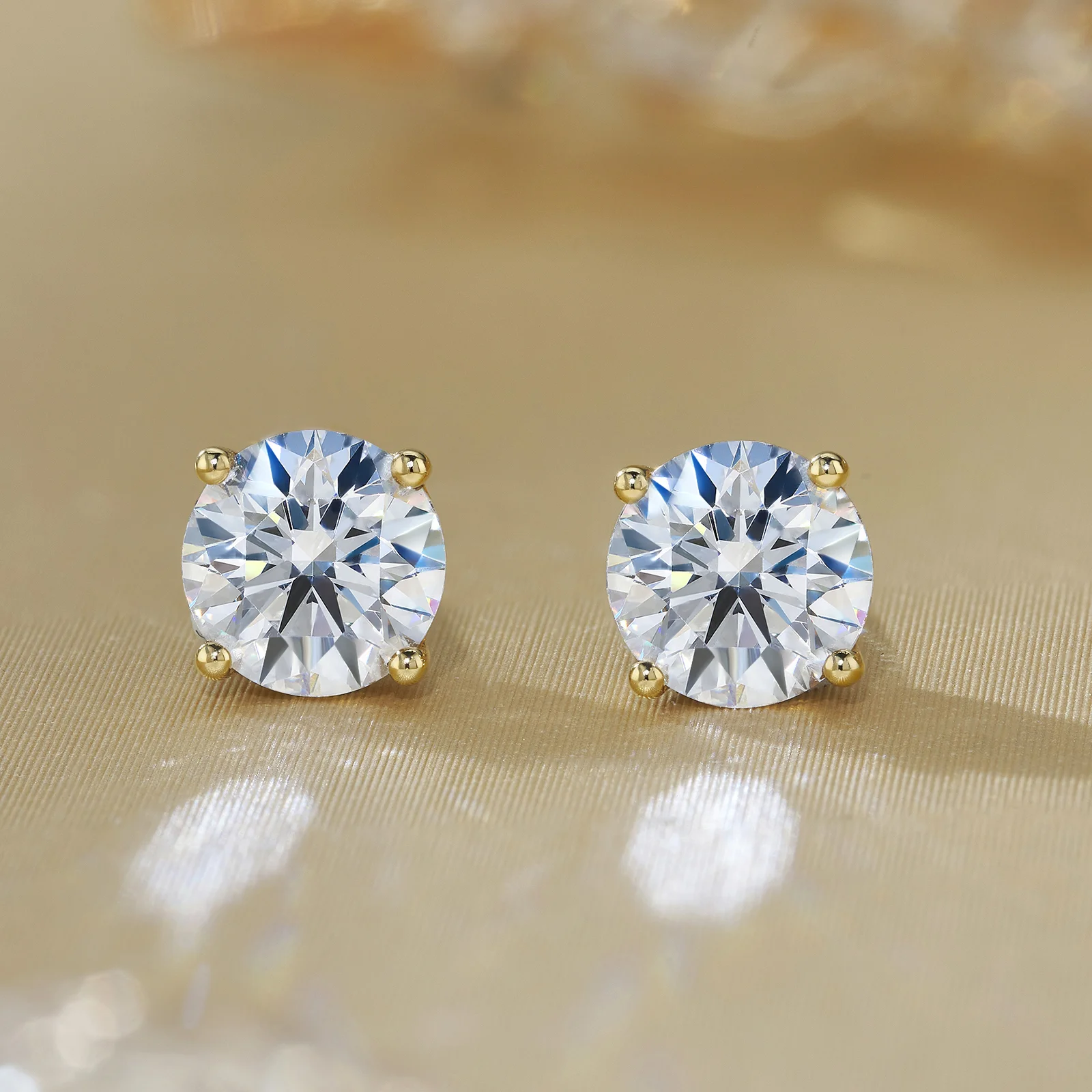
Las tres comprobaciones de corte que realiza una fábrica antes del fraguado
- Coincidencia de proporciones - mesa, profundidad, y el ángulo de la corona se confirman con el certificado, por lo que se puede seleccionar la cesta con el tamaño milimétrico correcto.
- Condición de faja — se rechaza una faja demasiado delgada o desconchada, porque las púas agarran la faja y una faja débil significa un mayor riesgo de astillarse bajo la presión de las púas.
- Simetría y pulido — las facetas deben estar alineadas de modo que una vez asentada la piedra, El retorno de la luz es uniforme y no está inclinado hacia un lado..
Si alguno de estos falla, la piedra se devuelve antes de engastar. Esta es también la razón por la que la claridad importa menos que el corte para brillar.: una piedra VS limpia y bien cortada siempre superará a una piedra VVS con simetría más débil. Nuestro desglose de cuando VS tiene mejor valor que VVS explica esa compensación en detalle.
trabajo de punta: donde realmente se sostiene la piedra
Una vez aprobado el corte, el Aretes con diamantes cultivados en laboratorio se decide en el banquillo. El trabajo del colocador es hacer cuatro (o tres, o seis) Pequeñas puntas de metal sujetan una piedra de forma segura sin robarle su luz.. Los controles clave son:
1. Selección de cesta y cabeza.
La cesta está prefabricada con el diámetro milimétrico de la piedra., no obligado a encajar. Una canasta que es demasiado grande significa que las puntas deben llegar hacia adentro y cubrir más parte de la corona.. Una cesta demasiado pequeña significa que la piedra queda alta y las puntas están demasiado tensas.. Seleccionamos la cabeza a la piedra., nunca al revés.
2. Altura de las puntas y corte del asiento.
Cada punta tiene una pequeña muesca., el “asiento,” córtelo para que la faja descanse en una cuna en lugar de en un borde plano. El asiento se corta con una fresa adaptada al diámetro de la piedra.. Si el asiento es demasiado alto, la punta de la punta debe estar demasiado doblada y parece voluminosa; si es demasiado bajo, la piedra puede inclinarse. El objetivo es que la faja quede aproximadamente en el punto medio de la punta., con la punta doblada justo sobre el borde de la corona.
3. Apriete y acabado de púas
Las puntas se aprietan con una combinación de herramientas de empuje y un martillo pequeño., Luego se termina con una fresa de copa que redondea la punta para que quede suave contra la piel y sin enganches.. Cada punta se prueba con una sonda de latón, si la piedra se mueve bajo una ligera presión., vuelve al banquillo.
Estos pasos son los mismos ya sea que el metal sea platino., oro blanco, o oro amarillo. La principal diferencia relacionada con el metal es la durabilidad.: 18El oro k es lo suficientemente firme como para mantener bien la tensión de las puntas y al mismo tiempo mantener un color cálido., Por eso es la opción predeterminada para aretes.. Si está sopesando opciones de metal, nuestro 14Comparación entre oro K y 18K cubre cómo cada metal se desgasta con el tiempo.
Adaptar el engaste al tamaño de la piedra
Uno de los errores de fábrica más comunes, y una de las razones más comunes por las que los clientes minoristas devuelven aretes, es la falta de coincidencia entre el tamaño de la piedra y el estilo del engaste.. Una piedra muy pequeña colocada en una canasta pesada parece perdida; una piedra grande engastada con puntas delgadas parece insegura. Nuestra línea de producción adapta el ajuste al peso en quilates.:
- 0.30 – 0.50 peso total — una delicada canasta de cuatro puntas que mantiene la piedra visible sin abrumar el oído.
- 0.50 – 1.00 peso total – un martini o una canasta estándar de cuatro puntas, El engaste de aretes de diamantes cultivados en laboratorio más versátil..
- 1.00 ct y por encima del peso total — una canasta más pesada con cuatro o seis puntas, y, a menudo, una espalda más grande para equilibrar el peso en la oreja..
Si no está seguro de qué peso en quilates se adapta a su mercado, nuestra guía sobre el El mejor tamaño de diamante cultivado en laboratorio para su presupuesto. Puede ayudarle a planificar la gama de productos antes de realizar un pedido de producción..
El proceso personalizado desde la piedra suelta hasta el pendiente terminado
Para compradores que venden aretes de marca privada, ayuda a comprender el flujo de trabajo completo en lugar de solo el control de calidad final. Cada par avanza: selección y combinación de piedras, control de corte y proporción, selección de cesta, configuración, acabado de puntas, emparejar los dos aretes por tamaño y retorno de luz, pulimento final y rodio (para oro blanco), y control de calidad.
El emparejamiento importa más de lo que los compradores esperan. Dos piedras con las mismas especificaciones del certificado aún pueden verse ligeramente diferentes boca arriba, entonces el engastador empareja piedras que coinciden en apariencia real, no solo en papel. Nuestra visión general de la Proceso personalizado desde diamantes sueltos hasta joyas. explica cómo funciona eso para piezas hechas a pedido.
Control de calidad que debe pasar cada par de aretes
Antes de que un par salga de fábrica., Pasa por una breve lista de verificación que cualquier comprador también puede ejecutar al recibirlo.:
- prueba de punta — se utiliza una sonda de latón para confirmar que no se mueven los cálculos bajo una ligera presión.
- Verificación de alineación — la mesa de cada piedra debe estar paralela a la oreja cuando se usa, no inclinado hacia arriba o hacia abajo.
- emparejamiento de pares — los dos aretes deben coincidir en tamaño boca arriba, color, y brillo bajo la misma luz.
- Acabado de puntas — sin puntas afiladas, sin espacios debajo de las puntas, sin marcas de herramientas en la corona.
- Publicar y volver - la publicación está centrada, la parte trasera de fricción se mantiene firme, y el pendiente queda recto cuando se cuelga.
Incluso con una configuración perfecta, Los aretes se desgastan mucho., Por eso, la recomendación final que damos a los compradores minoristas es que sigan una sencilla rutina de cuidado.. Las puntas sueltas son la causa número uno de pérdida de cálculos, y una revisión rápida en casa lleva treinta segundos. nuestra guía sobre Cómo cuidar un anillo de diamantes creado en laboratorio Incluye el mismo método de verificación de puntas que se aplica a los aretes..
En pocas palabras
Un gran par de aretes no son solo dos buenas piedras en un poste. El Aretes con diamantes cultivados en laboratorio es lo que convierte un diamante pulido en un producto portátil que permanece brillante y permanece encendido. Un ajuste serio de los controles de fábrica se corta antes de colocar la piedra., hace coincidir la cesta con el tamaño de la piedra, corta asientos de punta limpios, aprieta y remata cada punta, y combina los dos aretes según su apariencia real en lugar de solo por especificaciones de papel.
Para compradores y joyeros, la comida para llevar es simple: Pregúntele a su fábrica cómo maneja cada uno de esos pasos., y ejecutar la misma lista de control de calidad en el momento de la entrega. Así es como se evitan los dos fallos que arruinan los márgenes de los aretes (piedras opacas y piedras perdidas) y se conserva un producto que los clientes realmente vuelven a pedir..
Fuente de nuestra fábrica
Pendientes De Diamantes Crecidos En Laboratorio al por mayor se fabrica internamente en Wentworth Diamonds: solicite precios al por mayor o especificaciones personalizadas.