อา การผลิตแหวนเพชรที่ปลูกเองในห้องปฏิบัติการ โครงการไม่ได้เริ่มต้นที่ม้านั่งจัดการตั้งค่า – มันเริ่มต้นด้วยการสนทนา, ร่าง, และชุดการวัดที่ตัดสินทุกสิ่งที่ตามมา. เมื่อผู้ซื้อต้องการแหวนที่ไม่มีอยู่ในแค็ตตาล็อกใดๆ, โรงงานของเราถือว่ามันเป็นวัตถุทางวิศวกรรม: ทุกมิลลิเมตรของวง, ทุกมุมง่าม, และต้องวางแผนสัดส่วนเพชรทุกสัดส่วนก่อนที่จะเจียระไนโลหะ. งานสั่งทำพิเศษคือจุดที่เวิร์กช็อปได้รับชื่อเสียง, เนื่องจากไม่มีการออกแบบสต็อกให้ถอยกลับ และไม่มีวงแหวนที่เหมือนกันหลายวงที่จะซ่อนข้อผิดพลาดไว้ข้างใน. คู่มือนี้จะอธิบายวิธีที่โรงงานของเราผลิตแหวนเพชรที่ปลูกในห้องแล็บตามสั่ง, ตั้งแต่บรีฟแรกและโมเดล CAD ไปจนถึงการคัดเลือกนักแสดง, การตั้งค่า, และการควบคุมคุณภาพขั้นสุดท้าย.
อะไร “กำหนดเอง” หมายถึงบนพื้นโรงงานจริงๆ
แหวนสั่งทำพิเศษไม่ใช่แค่แหวนที่ผลิตขึ้นในขนาดที่ไม่ได้มาตรฐานเท่านั้น. ในการประชุมเชิงปฏิบัติการของเรา, กำหนดเองหมายถึงการออกแบบ, หิน, โลหะ, และขนาดทั้งหมดระบุไว้สำหรับผู้สวมใส่หนึ่งรายและประกอบเป็นชิ้นเดียว. มีสามชั้นด้วยกัน:
- ออกแบบเอง. รูปร่างของวงดนตรี, หัว, และรายละเอียดด้านข้างใดๆ ก็ตามถูกดึงขึ้นมาใหม่ทั้งหมดหรือดัดแปลงมาจากรูปภาพอ้างอิง, ไม่ได้ดึงออกจากไลบรารีแม่พิมพ์.
- กำหนดเองของหิน. เพชรเม็ดกลาง – และสำเนียงใดๆ – ถูกเลือกสำหรับแหวนวงนั้น, และศีรษะถูกสร้างขึ้นตามขนาดที่แน่นอนของหินนั้น.
- พอดีตัว. แหวนมีขนาด, ประวัติ, และชั่งน้ำหนักหนึ่งนิ้ว, ด้วยความหนาของโลหะที่เลือกไว้ว่าผู้สวมใส่จะใช้ชีวิตอย่างไร.
สิ่งนี้แตกต่างจากวงแหวนการผลิต, โดยที่การออกแบบหนึ่งถูกหล่อเป็นชุดและผู้เซ็ตเตอร์จะหยดหินใดก็ตามที่เหมาะกับศีรษะ. งานสั่งทำพิเศษผสมผสานการออกแบบหนึ่งชิ้นเข้ากับมือข้างเดียว, ซึ่งเป็นสาเหตุที่ทำให้กระบวนการใช้เวลานานขึ้น และเหตุใดความคลาดเคลื่อนจึงมีความสำคัญมากกว่า.
ขั้นตอน 1: บทสรุปและการวัด
งานที่กำหนดเองทุกงานเริ่มต้นด้วยการสรุป. เราขอรูปลักษณ์ที่ผู้ซื้อมีในใจ, หินกลางที่พวกเขามีหรือต้องการ, โลหะ, ขนาดนิ้ว, และจะสวมแหวนอย่างไร – ทุกวัน, เป็นครั้งคราว, ซ้อนกันด้วยวงดนตรี, และอื่น ๆ. จากนั้นการออกแบบก็แคบลงจนกลายเป็นสิ่งที่สร้างได้.
ข้อมูลที่สำคัญที่สุดเพียงอย่างเดียวคือขนาดของหินที่อยู่ตรงกลาง, เพราะศีรษะทั้งหมดถูกสร้างมาเพื่อหินนั้น. เราบันทึก:
- เส้นผ่านศูนย์กลาง (สำหรับรอบ) หรือ ความยาวและความกว้าง (เพื่อรูปทรงที่สวยงาม), วัดได้ถึงหนึ่งในร้อยของมิลลิเมตร.
- ความหนาและสภาพของผ้าคาดเอว, ซึ่งจะบอกผู้เซ็ตเตอร์ว่าโลหะสามารถรับน้ำหนักบนหินได้มากเพียงใด.
- ความลึกรวมและเปอร์เซ็นต์ของตาราง, ซึ่งส่งผลต่อความสูงของหินและการกำหนดโปรไฟล์ของศีรษะ.
- มีตำหนิใดๆ อยู่บริเวณผ้าคาดเอวหรือจุดต่างๆ, ซึ่งต้องระวังไม่ให้มีแรงกดทับ.
หากผู้ซื้อยังไม่มีหิน, เราจัดหามาและอนุมัติมัน ตัดเกรด ก่อนการออกแบบจะเสร็จสิ้น, เช่นเดียวกับที่เราตรวจสอบหินทุกก้อนนั้น มาถึงบัลลังก์ของเรา. การออกแบบที่สวยงามโดยใช้เพชรเจียระไนคุณภาพต่ำจะทำให้ผิดหวังเสมอ, ดังนั้นหินจึงเป็นผู้นำในการออกแบบ – ไม่ใช่วิธีอื่น.
ขั้นตอน 2: การสร้างแบบจำลอง CAD และการเรนเดอร์การอนุมัติ
เมื่อบรีฟและข้อมูลสโตนถูกล็อค, แหวนถูกสร้างแบบจำลองด้วย CAD. นี่คือจุดที่การออกแบบที่กำหนดเองกลายเป็นจริง, วัตถุที่มีมิติ. แบบจำลองจะกำหนดความกว้างและความหนาของแถบ, ขนาดศีรษะและจำนวนง่าม, แกลเลอรี่ (โครงสร้างเปิดใต้หิน), และหินด้านข้างหรือการแกะสลักใด ๆ.
ขั้นตอน CAD เป็นที่ที่ผู้ซื้อเห็นแหวนเป็นครั้งแรก. เราสร้างแบบจำลองด้วยโลหะที่เลือกและสัดส่วนเพชรที่เลือก, และผู้ซื้ออนุมัติรูปลักษณ์ก่อนตัดแว็กซ์ใดๆ. การเปลี่ยนแปลงมีราคาถูกในระยะนี้และมีราคาแพงในภายหลัง – ง่ามขยับ 0.3 mm ใน CAD เป็นการกดแป้นพิมพ์; การเปลี่ยนแปลงเดียวกันหลังจากการร่ายคือการร่ายใหม่.
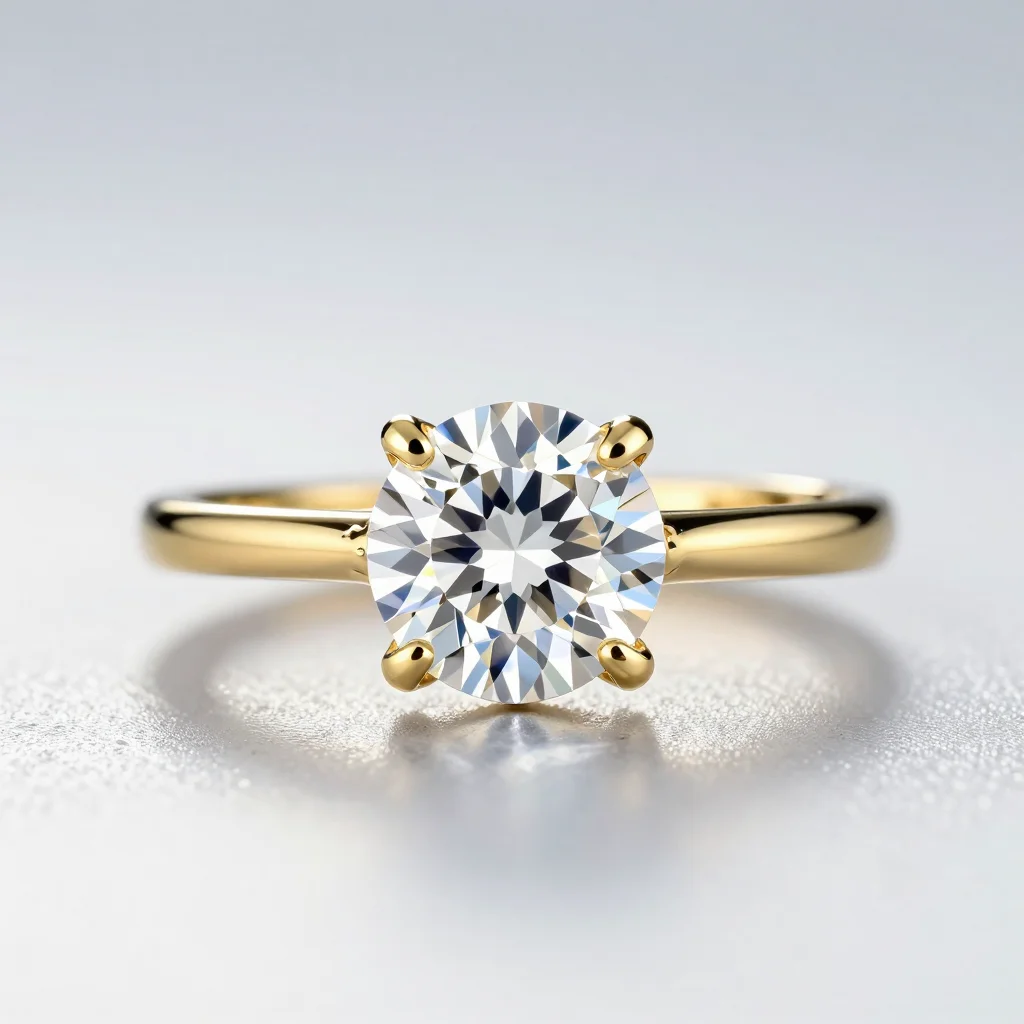
การตัดสินใจที่สำคัญที่นี่คือรูปแบบการตั้งค่าสำหรับหินที่อยู่ตรงกลาง. หัวเล่นไพ่คนเดียวหกง่าม, เช่นเดียวกับที่แสดงไว้ด้านบน, เป็นตัวเลือกยอดนิยมสำหรับหินทรงกลมสั่งทำพิเศษ เนื่องจากมีความสมดุลระหว่างความปลอดภัยและแสงที่ส่องกลับ; ก ง่ามกับฝา การตัดสินใจเปลี่ยนทั้งรูปลักษณ์และปริมาณโลหะที่ปกคลุมหิน, ดังนั้นจึงชำระเป็น CAD, ไม่ได้อยู่ที่ม้านั่ง.
ขั้นตอน 3: แว็กซ์และการหล่อ
เมื่อ CAD ได้รับการอนุมัติ, แบบจำลองถูกพิมพ์เป็นขี้ผึ้ง. ขี้ผึ้งจะถูกตรวจสอบกับหิน – เพชรถูกทดสอบในหัวแว็กซ์เพื่อยืนยันว่าเบาะนั่งจะยึดอยู่ในระดับความสูงและมุมที่ถูกต้อง. การทดลองเรียกใช้นี้จะตรวจจับข้อผิดพลาดด้านขนาดก่อนที่จะกลายเป็นข้อผิดพลาดด้านโลหะ.
จากนั้นจึงนำขี้ผึ้งไปหล่อในโลหะผสมที่เลือก. สำหรับงานตามสั่งเรามักจะรับเข้ามา:
- แพลตตินัม (ปตท950) – หนาแน่น, แข็งแกร่ง, เหมาะสำหรับชิ้นส่วนที่มีความหมายถึงรุ่นสุดท้าย, และโลหะที่ให้อภัยได้มากที่สุดสำหรับการตกแต่งใหม่.
- 18เค โกลด์ – สีที่หลากหลาย, ค่าเริ่มต้นสำหรับรูปลักษณ์แบบกำหนดเองที่หรูหรา.
- 14เค โกลด์ – แข็งและเหมือนสปริงมากกว่า 18K, ทางเลือกที่ใช้งานได้จริงสำหรับสายที่บางกว่า; ของเรา 14การเปรียบเทียบ K กับ 18K กำหนดการแลกเปลี่ยน.
หลังจากหล่อแล้ว, ทำความสะอาดวงแหวนดิบแล้ว, ป่วงจะถูกลบออก, และวงดนตรีก็เข้าสู่โปรไฟล์สุดท้าย. เมื่อมาถึงจุดนี้แหวนเป็นโลหะแต่ยังสร้างไม่เสร็จ – ไม่มีการตั้งค่าง่าม, ไม่มีหินอยู่ใน, และพื้นผิวเป็นแบบด้านจากการตะไบ.
ขั้นตอน 4: การตั้งค่าล่วงหน้าและหินด้านข้าง
หากการออกแบบมีหินด้านข้าง – ก ไมโครแพด วงดนตรี, ก ช่อง ของสำเนียง, หรือก รัศมี รอบศูนย์กลาง – สิ่งเหล่านี้ถูกตั้งไว้ก่อนที่ศิลาตรงกลางจะเข้าไป. ตรรกะนั้นง่าย: การตั้งค่าหินด้านข้างเกี่ยวข้องกับการดัดและขัดเงาโลหะ, และงานนั้นจะต้องไม่เกิดขึ้นโดยไม่ได้ตั้งใจ, เพชรเม็ดกลางที่เปราะบาง.
หินแต่ละก้อนมีขนาดและสีตรงกัน ดังนั้นแถวจึงอ่านเป็นเส้นแสงต่อเนื่องกันหนึ่งเส้น, และแต่ละชิปจะได้รับการตรวจสอบภายใต้การขยายสำหรับชิปก่อนที่จะตั้งค่า. หินด้านข้างซึ่งมีร่มเงาที่อบอุ่นกว่าหินข้างเคียงจะดึงดูดสายตา, นั่นคือเหตุผลที่เราจัดเรียงสำเนียงอย่างระมัดระวังเท่ากับตรงกลาง.
ขั้นตอน 5: การตั้งเพชรตรงกลาง
การตั้งหินตรงกลางคือช่วงเวลาที่แหวนสั่งทำพิเศษกลายเป็นแหวนที่ผู้ซื้อจินตนาการไว้. ผู้เซตจะวางเพชรไว้บนศีรษะ, ยืนยันว่าอยู่ในระดับเดียวกันและอยู่ตรงกลางจากด้านบนและด้านข้าง, แล้วเอาง่ามมา (หรือฝา) ลงมาเหนือผ้าคาดเอว.
สำหรับไพ่โซลิแทร์แบบกำหนดเองแบบง่าม, ง่ามจะงอเท่าๆ กันเพื่อให้มีการแบ่งปันแรงกดไปทั่วทุกด้าน แทนที่จะโหลดลงบนอันเดียว. จากนั้นปลายจะโค้งมนและขัดเงาเป็นเม็ดเล็กๆ ที่ครอบคลุมจุดสัมผัสของผ้าคาดเอว – วิธีนี้ช่วยล็อคหินและทำให้ง่ามสะอาด, ดูเสร็จแล้ว. สำหรับกรอบหรือครึ่งกรอบ, ขอบถูกตอกทับผ้าคาดเอวอย่างต่อเนื่อง, การเคลื่อนไหวสม่ำเสมอทำให้หินถูกยึดไว้โดยไม่ถูกบีบไม่สม่ำเสมอ.
ผู้ตั้งค่าทำงานโดยมีความคลาดเคลื่อนประมาณ 0.02 มม. ง่ามที่ดึงแรงเกินไปสามารถเปลี่ยนหินได้; หากดึงไม่มากพอก็ปล่อยให้มันหลวม. หินตรงกลางทุกชุดผ่านการทดสอบการแตะและการกดก่อนที่จะออกจากม้านั่ง, มาตรฐานเดียวกันกับที่เรายึดถือ การตั้งค่าที่ออกจากการประชุมเชิงปฏิบัติการ.
ขั้นตอน 6: จบ, ขัด, และโรเดียม
ด้วยหินที่ปลอดภัย, แหวนขัดเงา. การขัดแหวนชุดเป็นงานที่ละเอียดอ่อน – ช่างขัดจะต้องทำให้โลหะมีความเงางามสูงโดยไม่ต้องสัมผัสเพชรหรือปัดเศษปลายง่าม. วงดนตรีได้รับการขัดเกลาเป็นขั้นตอน, จากหยาบไปละเอียด, และแกลเลอรีและใต้กรอบได้รับการลงรายละเอียดด้วยมือโดยที่ล้อไม่สามารถเข้าถึงได้.
สำหรับชิ้นทองคำขาว, มีการชุบโรเดียมเพื่อให้โลหะมีความสดใส, สีขาวที่เป็นกลาง. แพลตตินัมถูกปล่อยทิ้งไว้โดยไม่ได้ชุบ; คราบตามธรรมชาติเป็นส่วนหนึ่งของรูปลักษณ์. ขั้นตอนสุดท้ายคือการทำความสะอาดด้วยคลื่นอัลตราโซนิกและไอน้ำเพื่อขจัดคราบสารขัดเงาทั้งหมดออกจากใต้หินและภายในแกลเลอรี.
ขั้นตอน 7: การควบคุมคุณภาพ
แหวนสั่งทำพิเศษจะต้องผ่าน QC นานกว่าชิ้นงานที่ผลิต, เพราะไม่มี “อันถัดไปในชุด” เพื่อเปรียบเทียบมันกับ. เราตรวจสอบ:
- ความปลอดภัยของหิน – แตะทดสอบและทดสอบแบบพุช, แถมเช็คด้วยว่าหินไม่หมุนเข้าหัว.
- การจัดกึ่งกลางและระดับ – เพชรต้องนั่งเป็นสี่เหลี่ยมจัตุรัสในหัว, แม้จะติดต่อกันไปทั่ว.
- ความสมบูรณ์ของง่ามหรือกรอบ – แต่ละง่ามต้องคลุมผ้าคาดเอวอย่างเพียงพอโดยไม่มีเสี้ยนแหลมคม; กรอบจะต้องไม่มีช่องว่างใดๆ.
- ขนาดและขนาด – สายต้องตรงกับขนาดนิ้วที่สั่งและขนาด CAD ที่ได้รับอนุมัติ.
- เสร็จ – ไม่มีเครื่องหมายไฟล์, ไม่มีสารตกค้างจากการขัดเงา, ไม่มีหินด้านข้างหลวม.
สิ่งใดที่ล้มเหลวก็อยู่บนม้านั่งสำรอง. วงแหวนสั่งทำพิเศษจะจัดส่งเฉพาะเมื่อผ่านการตรวจสอบในสายการผลิตใดๆ เท่านั้น – แล้วบางส่วน.
เหตุใดงานสั่งทำจึงอยู่ในโรงงาน, ไม่ใช่ร้านซ่อม.
การผลิตแหวนเพชรที่ปลูกในห้องปฏิบัติการตามสั่งนั้นเป็นลำดับของการดำเนินงานที่พึ่งพาซึ่งกันและกัน: CAD จะต้องตรงกับหิน, นักแสดงจะต้องตรงกับ CAD, หินข้างต้องเข้าไปก่อนตรงกลาง, และต้องตั้งศูนย์ก่อนจึงจะเสร็จ. เมื่อขั้นตอนเหล่านั้นถูกแบ่งตามนักออกแบบ, ลูกล้อ, และพ่อค้าเพชรพลอยที่ไม่เคยพูดคุยกัน, ความอดทนเลื่อนลอยและแหวนก็ทนทุกข์ทรมาน.
เพราะเราควบคุมเพชร, การออกแบบ, การหล่อ, และการจัดวางภายใต้หลังคาเดียวกัน, วงแหวนแบบกำหนดเองจะเคลื่อนที่ผ่านทุกขั้นตอนโดยไม่ต้องวัดใหม่หรือคาดเดาใหม่. นั่นคือข้อได้เปรียบที่แท้จริงของงานสั่งทำพิเศษจากโรงงาน – ไม่ใช่ต้นทุนที่ต่ำกว่า, แต่ความสามารถในการยึดถือความอดทนตั้งแต่แบบร่างแรกจนถึงการขัดขั้นสุดท้าย. นี่ก็เป็นสาเหตุเช่นกัน, เป็น ผู้ผลิตเพชรที่ปลูกในห้องปฏิบัติการ, เราสามารถสัญญาได้ว่าแหวนที่สร้างขึ้นจากหินก้อนเดียว แทนที่จะเป็นขนาดศีรษะตามแผนภูมิทั่วไป.
การดูแลแหวนสั่งทำพิเศษ
แหวนแบบกำหนดเองถูกสร้างขึ้นมาให้มีอายุการใช้งานยาวนาน, แต่ยังคงเรียกร้องการเอาใจใส่เช่นเดียวกับชิ้นดี ๆ. มีการตรวจสอบการตั้งค่าปีละครั้ง, เก็บให้ห่างจากการกระแทกอย่างแรง, และทำความสะอาดอย่างอ่อนโยน. ของเรา คู่มือการดูแลแหวนเพชรจากห้องปฏิบัติการ ครอบคลุมกิจวัตรโดยละเอียด. หากแหวนเคยถูกกระแทกอย่างรุนแรง, ให้หินทดสอบความแน่นก่อนสวมใส่อีกครั้ง – การตรวจสอบห้านาทีจะช่วยปกป้องชิ้นส่วนที่ใช้เวลาหลายสัปดาห์ในการสร้าง.
สร้างแหวนที่คุณออกแบบเอง
ทำได้ดีมาก, การผลิตแหวนเพชรที่ปลูกเองในห้องปฏิบัติการ ทำให้เกิดวงแหวนที่พอดีกับมือข้างหนึ่ง, ถือหินก้อนหนึ่ง, และสะท้อนถึงดีไซน์หนึ่งเดียว – โดยไม่มีการประนีประนอมบังคับโดยแม่พิมพ์สต็อกหรือหัวทั่วไป. ความแตกต่างระหว่างแหวนสั่งทำพิเศษซึ่งมีอายุการใช้งานยาวนานกับแหวนที่คลายในหนึ่งปีนั้นขึ้นอยู่กับแผนงานของโรงงานโดยสิ้นเชิง, ปลดเปลื้อง, ชุด, และเสร็จสิ้น. หากคุณมีหิน, ร่าง, หรือเป็นเพียงความคิด, บอกเราว่าคุณมีอะไรอยู่ในใจ และเราจะออกแบบวงแหวนรอบๆ.
แหล่งที่มาจากโรงงานของเรา
การผลิตแหวนเพชรที่ปลูกในห้องปฏิบัติการแบบกำหนดเอง – OEM/ODM ผลิตขึ้นภายในบริษัทที่ Wentworth Diamonds — ขอราคาขายส่งหรือข้อกำหนดเฉพาะที่กำหนดเอง.