อา ห้องปฏิบัติการหล่อขี้ผึ้งปลูกแหวนเพชร เริ่มต้นชีวิตด้วยรูปทรงที่แกะสลักด้วยขี้ผึ้ง, และข้อบกพร่องทุกประการในขี้ผึ้งนั้นเป็นข้อบกพร่องที่ทะลุเข้าไปในโลหะโดยตรง. การหล่อขี้ผึ้งหายเป็นรากฐานของวิธีการสร้างวงแหวนตามสั่งและวงแหวนการผลิตส่วนใหญ่, และยังเป็นขั้นตอนที่เกิดข้อผิดพลาดที่แพงที่สุดอีกด้วย – เพราะข้อบกพร่องในการหล่ออาจทำให้เสียเวลาหลายวันกับ CAD และงานจับคู่หินในการเทครั้งเดียว. เป็นโรงงานที่หล่อและเจียระไนเพชรที่ปลูกในห้องทดลองทุกวัน, เราถือว่างานแวกซ์เป็นการทำงานที่มีความแม่นยำ, ไม่ใช่ขั้นตอนที่หยาบ. คู่มือนี้จะอธิบายข้อบกพร่องในการหล่อขี้ผึ้งซึ่งส่วนใหญ่มักทำลายการตั้งค่าเพชรที่ปลูกในห้องปฏิบัติการ, อะไรเป็นสาเหตุให้พวกเขา, และการประชุมเชิงปฏิบัติการจะจับพวกเขาได้อย่างไรก่อนที่จะถึงม้านั่ง.
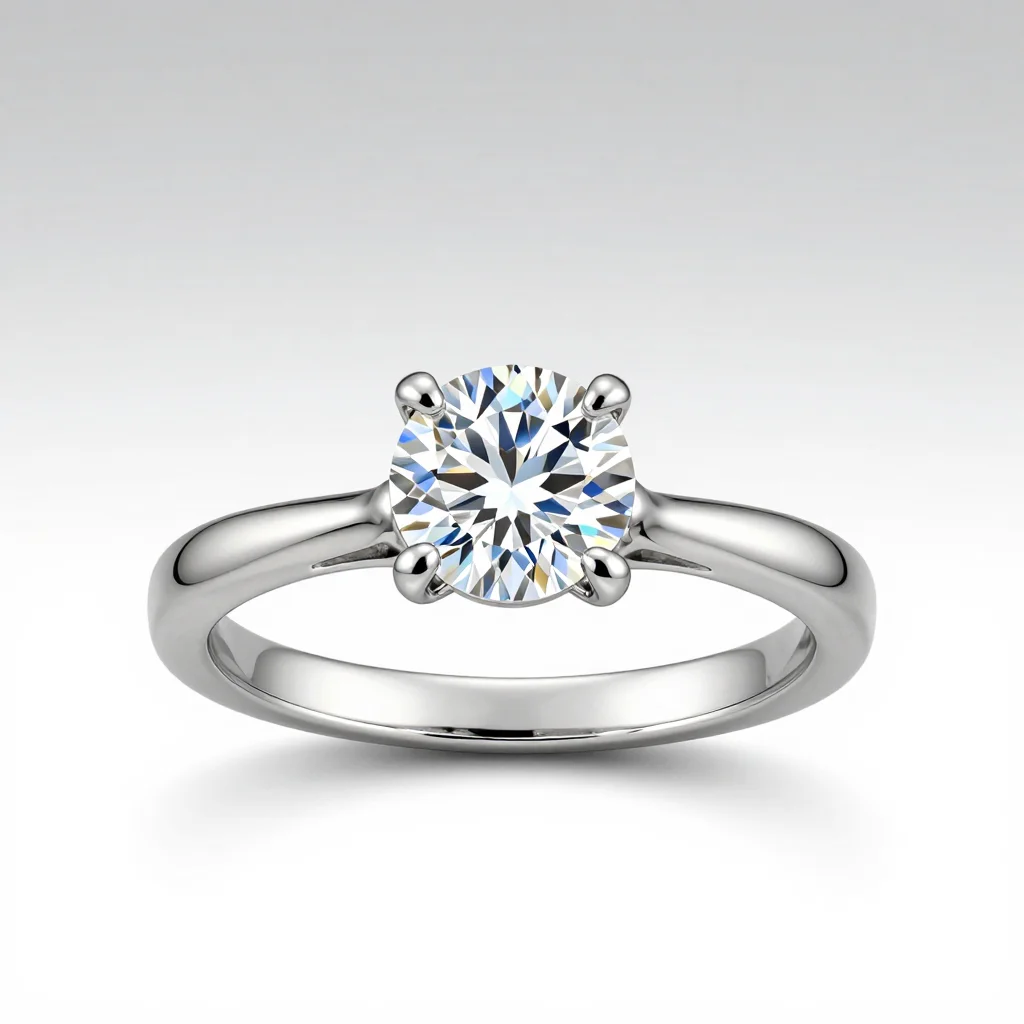
เหตุใดการหล่อขี้ผึ้งจึงตัดสินใจเลือกวงแหวนทั้งหมด
การหล่อขี้ผึ้งหายทำได้โดยการแกะสลักหรือพิมพ์แบบจำลองขี้ผึ้งของแหวน, ล้อมรอบไปด้วยการลงทุนแบบปูนปลาสเตอร์, การเผาขี้ผึ้งออกจนเหลือแม่พิมพ์กลวง, และเทโลหะหลอมลงในช่องว่างนั้น. โลหะจะมีรูปทรงเหมือนขี้ผึ้ง – รวมถึงทุกข้อบกพร่องด้วย. ไม่มีการแก้ไขครึ่งทางในขั้นตอนนี้: เมื่อโลหะแข็งตัวแล้ว, วิธีเดียวที่จะแก้ไขข้อบกพร่องในการหล่อได้คือการหล่อใหม่, ซึ่งหมายถึงการเริ่มต้นแว็กซ์ใหม่.
นี่คือเหตุผลว่าทำไมการคัดเลือกนักแสดงจึงมีความสำคัญมากกว่าสำหรับ a แหวนเพชรจากห้องปฏิบัติการสั่งทำพิเศษ มากกว่าเครื่องประดับอื่นๆ ส่วนใหญ่. แหวนสั่งทำพิเศษได้รับการออกแบบทางวิศวกรรมสำหรับหินชนิดเดียวและขนาดนิ้วเฉพาะ, ดังนั้นการหล่อที่ไม่ดีจึงไม่ใช่แค่การเสียโลหะเท่านั้น – มันเป็นการวางแผนที่สูญเปล่า. หัวถูกสร้างขึ้นให้มีเส้นผ่านศูนย์กลางเพชรที่วัดได้; วงดนตรีมีขนาดพอดีกับผู้สวมใส่หนึ่งคน. การหล่อใหม่จะทำให้งานทั้งหมดถอยกลับ และเสี่ยงต่อความทนทานต่อการจับคู่หินซึ่งจะทำให้แหวนทำงานได้.
การหดตัวและความพรุน: นักฆ่าที่ซ่อนอยู่
ข้อบกพร่องสองประการที่ทำลายวงแหวนได้มากที่สุดนั้นเป็นข้อบกพร่องสองประการที่มองเห็นด้วยตาเปล่าได้ยากที่สุด.
- ความพรุนหดตัว. เมื่อโลหะเย็นลง, มันเป็นสัญญา. ถ้าเป็นระบบป่วง (ช่องที่ป้อนโลหะเข้าไปในแม่พิมพ์) ไม่ได้ออกแบบมาเพื่อให้โลหะเหลวไหลเข้าไปในวงแหวนในขณะที่มันหดตัว, ช่องว่างเล็กๆ ก่อตัวขึ้น – มักจะอยู่ในส่วนที่หนาที่สุดหรือบริเวณที่ผนังทั้งสองมาบรรจบกัน. สิ่งเหล่านี้ดูเหมือนหลุมคล้ายฟองน้ำภายใต้การขยาย และทำให้โลหะอ่อนลงตรงบริเวณที่หัวหรือง่ามต้องแข็ง.
- ความพรุนของแก๊ส. อากาศที่ติดอยู่หรือก๊าซการลงทุนทำให้เกิดฟองอากาศกลมในโลหะ, มักรวมตัวกันใกล้ป่วงหรือในแกลเลอรี. เหมือนช่องว่างของการหดตัว, สิ่งเหล่านี้ทำให้ง่ามหรือผนังกรอบบางและมีแนวโน้มที่จะพับภายใต้แรงกดที่ตั้งไว้.
ข้อบกพร่องทั้งสองอย่างเป็นอันตรายถึงชีวิตสำหรับการตั้งค่าเนื่องจากสิ่งเหล่านั้นซ่อนอยู่ภายในโลหะซึ่งตัวเซ็ตจะงอง่ามหรือทำให้กรอบไหม้. ง่ามที่มีความพรุนภายในไม่สามารถรับแรงตึงได้; ผนังกรอบที่มีช่องใส่แก๊สจะบุ๋มแทนที่จะขัดเงาอย่างหมดจด. เราเอ็กซเรย์หรือทดสอบแรงดันในการหล่อหินที่มีมูลค่าสูงก่อนที่งานติดตั้งจะเริ่มขึ้น.
การรวมและความล้มเหลวในการลงทุน
การลงทุนคือปูนปลาสเตอร์ที่ขึ้นรูปเป็นแม่พิมพ์, และเป็นที่มาของความบกพร่องอีกตระกูลหนึ่ง:
- การรวมการลงทุน. หากการลงทุนแตกหรือหลุดล่อนระหว่างภาวะเหนื่อยหน่าย, เศษปูนปลาสเตอร์จะถูกชะล้างเข้าไปในโลหะ. สิ่งเหล่านี้แสดงออกมาได้ยาก, การรวมทรายที่สามารถนั่งใต้ง่ามที่จะงอได้. พวกเขาไม่สามารถขัดออกได้ – ต้องตัดโลหะที่อยู่รอบตัวออกไป.
- ความหยาบผิว. การผสมผสานการลงทุนที่ไม่ดี, อัตราส่วนน้ำต่อผงผิด, หรือการเหนื่อยหน่ายเร็วเกินไปจะทำให้พื้นผิวแม่พิมพ์มีพื้นผิว, และโลหะก็หยิบพื้นผิวนั้นขึ้นมา. การหล่อแบบหยาบหมายความว่าผู้เซ็ตตัวทำงานบนฐานที่ไม่เรียบ, ซึ่งทำให้ความสูงของง่ามไม่เท่ากัน และเบาะนั่งหินด้านข้างไม่เท่ากัน.
- แฟลชและครีบ. หากการลงทุนเกิดรอยร้าว, โลหะสามารถซึมเข้าไปในรอยแตกร้าวและสร้างครีบโลหะบางๆ บนวงแหวนได้. สิ่งเหล่านี้ง่ายต่อการตะไบ แต่บ่งบอกว่าเชื้อราไม่เสถียร, ซึ่งมักหมายถึงการแคสมีปัญหาภายในด้วย.
สำหรับการฝังเพชรแบบแล็บ, ความหยาบของพื้นผิวสร้างความเสียหายให้กับศีรษะเป็นพิเศษ – ส่วนที่ยึดศิลาตรงกลาง. เบาะศีรษะที่หยาบหมายความว่าเพชรจะไม่อยู่ในระดับเดียวกัน, และผู้เซตจะต้องชดเชยด้วยการงอง่ามไม่เท่ากัน, ซึ่งบั่นทอนความปลอดภัย.
การร่ายที่ไม่สมบูรณ์และการปิดแบบเย็น
การเทที่ไม่สมบูรณ์จะทำให้ช่องว่างในส่วนที่โลหะไปไม่ถึง – มักจะอยู่ในส่วนที่บางที่สุดหรือไกลที่สุดของวงแหวน, ซึ่งมักเป็นปลายง่ามหรือปลายสาย. การปิดแบบเย็นเกิดขึ้นเมื่อกระแสโลหะสองสายมาบรรจบกันแต่ไม่ได้หลอมรวมกันจนหมด, ออกจากตะเข็บ.
- เคล็ดลับง่ามหายไป. หากโลหะไม่เต็มปลายง่ามแวกซ์, ง่ามหล่อสั้นหรือขาดหายไป. ตัวเซ็ตไม่สามารถเติมโลหะได้; แหวนจะต้องหล่อใหม่.
- ความเย็นปิดอยู่ในก้าน. รอยต่อที่พาดผ่านแถบคือความล้มเหลวทางโครงสร้างที่รอจะเกิดขึ้น. แหวนอาจแตกร้าวเมื่อปิดเย็นระหว่างการปรับขนาด, สวมใส่, หรือกระแทกอย่างแรง.
ข้อบกพร่องเหล่านี้เป็นสาเหตุของพารามิเตอร์การหล่อ – อุณหภูมิโลหะ, อุณหภูมิแม่พิมพ์, และเทความเร็ว – ได้รับการปรับให้เข้ากับโลหะผสมและรูปทรงแหวนที่เฉพาะเจาะจง. อา ห้องปฏิบัติการหล่อขี้ผึ้งปลูกแหวนเพชร ในแพลตตินัมหล่อแตกต่างจากหนึ่งในทอง 18K, และวงดนตรีแบบพาเวบางๆ มีลักษณะแตกต่างไปจากการเล่นโซลิแทร์หนักๆ. เราปรับเค้าโครงป่วงและกำหนดเวลาเหนื่อยหน่ายสำหรับทุกงาน.
การบิดเบี้ยวและการบิดเบี้ยว
แว๊กซ์มีความนุ่ม. ระหว่างช่วงเวลาที่หุ่นขี้ผึ้งเสร็จสิ้นและช่วงเวลาที่ลงทุน, มันสามารถบิดเบี้ยวจากความร้อนได้, ความดัน, หรือน้ำหนักของมันเอง. ขี้ผึ้งที่บิดเบี้ยวทำให้เกิดวงแหวนที่บิดเบี้ยว:
- ก้านที่ไม่กลม. วงดนตรีเป็นรูปวงรีแทนที่จะเป็นวงกลม, ซึ่งหมายความว่านิ้วจะไม่พอดีและศีรษะอาจเอียงได้.
- เอียงศีรษะ. หากหัวแว็กซ์ขยับแม้แต่เศษเสี้ยวมิลลิเมตร, หินตรงกลางจะเบี้ยวอยู่ในวงแหวนที่ทำเสร็จแล้ว. บางครั้งผู้เซ็ทสามารถปรับระดับหินได้, แต่ง่ามจะไม่สม่ำเสมอและแหวนก็จะดูไม่ตรงเลย.
- แกลเลอรี่บิด. งานฉลุใต้หินสามารถบิดเบี้ยวได้, ทำให้แหวนดูไม่สมมาตรจากทุกมุม.
การบิดงอของขี้ผึ้งสามารถป้องกันได้. เราจัดเก็บและจัดการหุ่นขี้ผึ้งในสภาวะที่มีการควบคุมอุณหภูมิ, รองรับเดือยบางยาว, และลงแวกซ์ในวันเดียวกับที่เสร็จ. ขี้ผึ้งที่วางทิ้งไว้ข้ามคืนในห้องอุ่นจะไม่ใช่ขี้ผึ้งแบบเดิมอีกต่อไป.
ข้อบกพร่องไปถึงม้านั่งการตั้งค่าอย่างไร
สิ่งที่โหดร้ายเกี่ยวกับข้อบกพร่องในการหล่อก็คือ หลายๆ ชิ้นจะเปิดเผยตัวเองในระหว่างฉากเท่านั้น – ขั้นตอนที่แพงที่สุดในการค้นพบปัญหา. ผู้เซ็ทเตอร์เริ่มงอง่ามบนศีรษะที่มีรูพรุนซ่อนอยู่, และง่ามก็พังแทนที่จะจับ. คนเซ็ตเตอร์พยายามเอาเพชรมาใส่ในหัวที่หล่อจากการลงทุนอันยากลำบาก, และหินก็หินเพราะที่นั่งไม่เรียบ.
เมื่อสิ่งนี้เกิดขึ้น, แหวนกลับไปหล่อ, และหินก็กลับเข้าไปในที่เก็บที่ปลอดภัย. แรงงานที่ลงทุนในขั้นตอนก่อนการขัดเงาและการตั้งค่าหินข้างจะหายไป. นี่คือสาเหตุที่กระบวนการควบคุมคุณภาพของเราตรวจสอบการหล่อทุกครั้งก่อนที่จะถึงโต๊ะ:
- การตรวจสายตา ภายใต้การขยายสำหรับข้อบกพร่องที่พื้นผิว, แฟลช, และความหยาบ.
- การตรวจสอบมิติ เทียบกับโมเดล CAD ที่ได้รับอนุมัติเพื่อความกลม, มุมศีรษะ, และความสูงของง่าม.
- การตรวจสอบความพรุน บนศีรษะและฐานง่าม, ที่สร้างความเครียดได้มากที่สุด.
การคัดเลือกนักแสดงที่ไม่ผ่านข้อใดข้อหนึ่งจะถูกคัดเลือกใหม่, ไม่ได้รับการติดตั้ง. วินัยเดียวกันนี้ใช้กับวิธีที่เรา ควบคุมคุณภาพเพชรก่อนการเจียระไน – ปฏิเสธเร็ว, ไม่เคยวางศิลาให้เป็นรากฐานที่ถูกทำลาย.
คุณภาพหุ่นขี้ผึ้ง: ข้อบกพร่องเริ่มต้นที่ไหน
ข้อบกพร่องในการหล่อหลายอย่างได้รับการแก้ไขก่อนที่จะเทโลหะ, ในตัวหุ่นขี้ผึ้งนั่นเอง. ขี้ผึ้งที่พิมพ์หรือแกะสลักด้วยเส้นชั้น, เครื่องหมายสนับสนุน, หรือผนังที่ไม่เรียบจะจำลองผนังที่เป็นโลหะทั้งหมด.
- เส้นชั้นจากแว็กซ์ที่พิมพ์แบบ 3 มิติ. การก้าวขึ้นบันไดที่มองเห็นได้บนส่วนโค้งจะกลายเป็นสันในโลหะหล่อ. เราพิมพ์แวกซ์ให้เสร็จด้วยมือ, ปรับเส้นโค้งให้เรียบเพื่อให้โลหะเริ่มสะอาด.
- ความหนาของผนังไม่สม่ำเสมอ. ขี้ผึ้งที่มีส่วนที่หนาและบางจะเย็นตัวไม่สม่ำเสมอในโลหะ, เน้นการหดตัวในส่วนที่หนา. การออกแบบ CAD ที่ดีทำให้ผนังมีความสม่ำเสมอมากที่สุด.
- มุมภายในที่คมชัด. มุมที่แหลมคมในแว็กซ์จะกลายเป็นตัวรวมความเครียดในโลหะ และเป็นจุดที่เกิดรอยแตกร้าวจากการหดตัวที่พบบ่อยที่สุด. เราสร้างมุมภายในด้วย CAD.
ขี้ผึ้งยังเป็นบริเวณที่ศีรษะตรงกับหินอีกด้วย. ที่นั่งที่จะยึดเพชรนั้นถูกตัดหรือขึ้นรูปด้วยขี้ผึ้ง, และเส้นผ่านศูนย์กลางต้องตรงกับหินที่วัดได้ภายในโดยประมาณ 0.02 มม – ความอดทนแบบเดียวกับที่เรายึดถือ การตั้งค่าความตึงเครียด, โดยที่สิ่งเดียวที่จับโลหะไว้บนหิน. เบาะนั่งแว็กซ์ที่ตัดเส้นผ่านศูนย์กลางไม่ถูกต้อง หมายความว่าผู้จัดเซตจะต้องตัดเบาะที่นั่งด้วยโลหะใหม่, ซึ่งทำให้ศีรษะอ่อนแอลง.
ปัญหาการหล่อโลหะโดยเฉพาะ
โลหะผสมที่หล่อแตกต่างกัน, และแต่ละแห่งก็นำความเสี่ยงต่อข้อบกพร่องของตัวเองมาสู่การตั้งค่าเพชรที่ปลูกในห้องปฏิบัติการ:
- แพลตตินัม (ปตท950). แพลตตินัมมีความหนาแน่นและหนืดเมื่อหลอมละลาย, ดังนั้นมันจึงไหลช้าและมีแนวโน้มที่จะเติมรายละเอียดเล็กๆ น้อยๆ เช่น ปลายง่ามที่ไม่สมบูรณ์. แถมยังหดตัวน้อยกว่าทองคำอีกด้วย, ซึ่งดีสำหรับรายละเอียด, แต่ต้องเทน้ำร้อนมาก, ซึ่งเน้นการลงทุน. การหล่อแบบแพลตตินัมมีราคาแพงกว่าในการทำใหม่, ดังนั้นเราจึงโยนมันอย่างระมัดระวังในครั้งแรก.
- 18เค โกลด์. ทองไหลลื่นและเก็บรายละเอียดได้ดี, แต่การหดตัวจะสูงกว่าและโลหะผสมสามารถแยกตัวได้หากเทที่อุณหภูมิไม่ถูกต้อง, ทำให้เกิดสีหรือความแข็งทั่วทั้งวงแหวน.
- 14เค โกลด์. ปริมาณโลหะผสมที่สูงกว่าจะทำให้ 14K ไหลและแข็งตัวแตกต่างจาก 18K; ของเรา 14การเปรียบเทียบ K กับ 18K ครอบคลุมถึงผลกระทบที่ส่งผลต่อวงแหวนที่ทำเสร็จแล้ว.
รูปแบบการตั้งค่ายังเปลี่ยนความเสี่ยงในการร่ายอีกด้วย. อา รัศมี พร้อมที่นั่งเล็กๆมากมาย, ก ช่อง มีผนังบางยาว, หรือ ไมโครแพด ด้วยเบาะนั่งลูกปัดเล็กๆ มากมาย ล้วนต้องการการหล่อที่สะอาดกว่าการเล่นไพ่คนเดียว – เนื่องจากตัวเซ็ตมีโลหะน้อยกว่าในการทำงานและมีพื้นที่น้อยกว่าในการแก้ไขข้อบกพร่อง.
การป้องกันข้อบกพร่องในการหล่อในการผลิต
ข้อบกพร่องข้างต้นทั้งหมดสามารถป้องกันได้ด้วยการควบคุมกระบวนการ, ซึ่งเป็นความแตกต่างที่แท้จริงระหว่างโรงหล่อที่หล่อแหวนกับโรงหล่อที่เชื่อถือได้. ขั้นตอนการคัดเลือกนักแสดงของเราสร้างขึ้นจากกฎสี่ข้อ:
- จับคู่ขี้ผึ้งกับหิน. เบาะนั่งถูกตัดเป็นเพชรที่วัดได้, ไม่ใช่ขนาดที่ระบุ, ดังนั้นผู้เซ็ทจึงไม่ต้องตัดหัวที่เป็นโลหะอีกครั้ง.
- ออกแบบป่วงสำหรับโลหะผสม. ตำแหน่งและขนาดป่วงจะถูกเลือกสำหรับรูปทรงของโลหะและวงแหวนเฉพาะ, ดังนั้นการหดตัวจึงถูกป้อนเข้าไปและความพรุนจะหลุดออกจากศีรษะ.
- ควบคุมความเหนื่อยหน่าย. ตารางการลงทุนที่เหนื่อยหน่ายจะหมดเวลาตามโลหะผสม, เพื่อให้แม่พิมพ์สะอาดและมั่นคงก่อนเท.
- ตรวจสอบก่อนการตั้งค่า. การหล่อทุกครั้งจะได้รับการตรวจสอบด้วยสายตาและมิติก่อนที่จะถึงโต๊ะ, และหัวใด ๆ ที่จะถือหินที่มีมูลค่าสูงจะได้รับการตรวจสอบความพรุน.
เมื่อข้อบกพร่องในการหล่อหมายถึงการเริ่มต้นใหม่
แม้จะมีกระบวนการที่ดี, การหล่อล้มเหลวในบางครั้ง. การตอบสนองที่ถูกต้องคือการร่ายใหม่, ไม่ต้องแพทช์. เติมช่องว่างที่มีรูพรุนด้วยการบัดกรี, ก้มศีรษะงอตรง, หรือการบดส่วนที่รวมอยู่ทั้งหมดจะทำให้วงแหวนอ่อนลงและผลักดันข้อบกพร่องเข้าสู่ขั้นตอนการตั้งตัว, ซึ่งกลายเป็นปัญหาความมั่นคงของหิน.
การหล่อใหม่มีค่าใช้จ่ายต่อวันและโลหะบางส่วน. ความล้มเหลวในการตั้งค่าที่เกิดจากการหล่อแบบแพตช์อาจทำให้เพชรที่บิ่นและต้องสร้างใหม่ทั้งหมด. ในฐานะที่เป็น ผู้ผลิตเพชรที่ปลูกในห้องปฏิบัติการ ที่ควบคุมทั้งการหล่อและการตั้งใต้หลังคาเดียวกัน, เราโยนใหม่โดยไม่ลังเล, เพราะแหวนที่ไปถึงตัวเซ็ตจะต้องเป็นแหวนที่สามารถยึดหินไว้ได้นานหลายสิบปี.
ทำได้ดีมาก, ก ห้องปฏิบัติการหล่อขี้ผึ้งปลูกแหวนเพชร เป็นแหวนที่โลหะได้รับการออกแบบทางวิศวกรรมเช่นเดียวกับเพชร – มั่นคงในจุดที่ต้องมั่นคง, ทำความสะอาดบริเวณที่ผู้ตั้งค่าจะทำงาน, และมีมิติตรงตามการออกแบบที่ได้รับการอนุมัติในรูปแบบ CAD. ข้อบกพร่องที่ทำให้การตั้งค่าเสียหายสามารถป้องกันได้ทั้งหมด, และการป้องกันคือความแตกต่างระหว่างวงแหวนที่เซ็ตตัวเรียบร้อยกับวงแหวนที่ต่อสู้กับเซ็ตเตอร์ในทุกย่างก้าว. หากคุณกำลังทดสอบการใช้งานแหวนหล่อและต้องการทราบว่าเราควบคุมกระบวนการอย่างไร, บอกเราเกี่ยวกับการออกแบบ และเราจะอธิบายให้คุณทราบว่าเราจะโยนมันอย่างไร.