عند مقارنة الماس المزروع في المختبر, يمكن أن يبدو الحجران متطابقين تقريبًا على الورق، ومع ذلك يقدمان قيمة مختلفة تمامًا في الحياة الواقعية. قد تظهر الشهادة نفس وزن القيراط, لون, والوضوح, ولكن التسعير, دقة القطع, الانتشار البصري, ويمكن لشفافية الموردين أن تتغير سواء كان الحجر يبدو وكأنه عملية شراء ذكية أو تسوية باهظة الثمن.
يشرح هذا الدليل كيفية المشترين, تجار المجوهرات بالتجزئة, ويمكن لفرق تحديد المصادر مقارنة الأحجار المشابهة بثقة أكبر. إذا كنت تقرر بين عدة عروض, هذه هي القائمة القصيرة من التفاصيل الأكثر أهمية قبل تقديم الطلب.
لماذا لا تعني الشهادات المماثلة دائمًا قيمة مماثلة؟
تقرير الدرجات هو نقطة البداية, ليست القصة الكاملة. يمكن لقطعتي ألماس تم إنتاجهما في المختبر ولهما نفس الدرجات العريضة أن تؤديا أداءً مختلفًا تحت الضوء, تبدو مختلفة الوجه, وتحمل أسعار طلب مختلفة جدًا. قبل أن تقارن الأسعار, تأكد من أنك تعرف كيفية القيام بذلك التحقق من شهادة الماس المزروع في المختبر عبر الإنترنت لذلك أنت تعمل من معلومات موثوقة.
بعد ذلك, مهمتك هي مقارنة التفاصيل التي لا يشرحها سطر الملخص بشكل كامل: جودة القطع, القياسات, مضان, طريقة النمو, الادراج, وما إذا كان بإمكان المورد إظهار الحجر الفعلي بوضوح.
1. ابدأ بجودة القطع قبل وزن القيراط
ينظر معظم المشترين إلى القيراط أولاً لأنه من السهل المقارنة, لكن القطع هو ما يحدد مدى حيوية الماس. قطع سيئة 1.20 يمكن أن يبدو الحجر المقطعي باهتًا بجوار حجر أصغر قليلاً بنسب أفضل وعودة ضوء أقوى.
عند مقارنة الماس المزروع في المختبر, اسأل عن نسبة الجدول, نسبة العمق, بولندي, التناظر, ومقاطع فيديو واضحة للوجه. إذا قام المورد بتكرار درجة الشهادة فقط دون إظهار كيفية أداء الحجر, هذه علامة على التباطؤ.
يؤثر القطع أيضًا على حجم الحجر الذي يظهر بمجرد ضبطه. يمكن أن تبدو الماسة ذات الانتشار الأفضل أكثر إثارة للإعجاب من ماسة أخرى بنفس الوزن ولكن بعمق أكبر مخفية حيث لا يمكنك رؤيتها.
2. قارن قياسات المليمتر, ليس فقط قيراط
قيراط يخبرك بالوزن. تخبرك القياسات بالحجم المرئي. إذا كنت تقرر بين الحجارة المستديرة حولها 1.2 قيراط, قارن القطر وكذلك الوزن. غالبًا ما يعطي الحجر الذي يقيس وزنه جيدًا قيمة بصرية أفضل.
وهذا مهم أكثر إذا كنت تقارن عدة عروض في نفس نطاق الميزانية. الفرق بين 6.8 مم و 7.0 مم قد يبدو صغيرا, ولكن يمكن أن يغير مدى أهمية الماس في عرض الخاتم أو الحجر السائب.
إذا كنت بحاجة إلى معيار عملي, مراجعة هذا 1.2 دليل شراء الألماس المزروع في المختبر بلون D VVS جنبًا إلى جنب مع تفاصيل المنتج الفعلية لفهم كيفية ترجمة الأرقام إلى حجر حقيقي.
3. لا تبالغ في الدفع مقابل اللون أو الوضوح الذي قد لا تحتاج إليه
يختار العديد من المشترين تلقائيًا أعلى درجات الألوان والوضوح المتاحة دون التساؤل عما إذا كانت هذه الترقيات مرئية أو ضرورية تجاريًا. يمكن أن يؤدي ذلك إلى رفع السعر بسرعة.
على سبيل المثال, يعد لون D-F ووضوح VVS من الخيارات المتميزة, ولكن ليس كل حالة استخدام تتطلب ذلك. إذا كان الماس سيدخل في خط بيع المجوهرات بالتجزئة, قد يقدم حجر G-H VS المختار بعناية قيمة أقوى مع الاستمرار في تقديمه بشكل جميل. وهذا هو السبب في أنه يساعد على المراجعة الفرق بين درجات ألوان الألماس المزروع في المعمل D-F وG-H قبل اتخاذ القرار النهائي.
السؤال الصحيح ليس ببساطة, “أي درجة أعلى?” إنها, “ما هي المجموعة التي تمنحني أفضل نتيجة بصرية مقابل السعر الذي أدفعه؟?”
4. نسأل ما لا تلخص الشهادة
بعض عوامل الشراء المهمة ليست واضحة من الدرجات الرئيسية وحدها. اسأل المورد هذه الأسئلة عند مقارنة الماس المزروع في المختبر:
- هل الحجر CVD أو HPHT, وهل تلقت علاج ما بعد النمو?
- هل هناك أي تعليقات على التقرير تؤثر على المظهر أو الثقة التجارية?
- يمكنك مشاركة الصور المكبرة وفيديو الإضاءة العادية?
- هل هناك مضان, وإذا كان الأمر كذلك, كيف يبدو شخصيا?
- ما هو العائد, تبادل, أو سياسة الاستبدال لهذا الحجر?
يجب أن يكون المورد الجدير بالثقة مرتاحًا للإجابة على كل هذه الأسئلة بوضوح. إذا كانت الإجابات غامضة, السعر وحده لا ينبغي أن يفوز في المقارنة.
مثال حقيقي: مقارنة أ 1.2 ct D VVS حجر مستدير
فيما يلي صورة مرجعية مفيدة لنوع الحجر الذي يقارنه العديد من المشترين عندما يريدون مظهرًا متميزًا يتمتع بجاذبية قوية للبيع بالتجزئة:
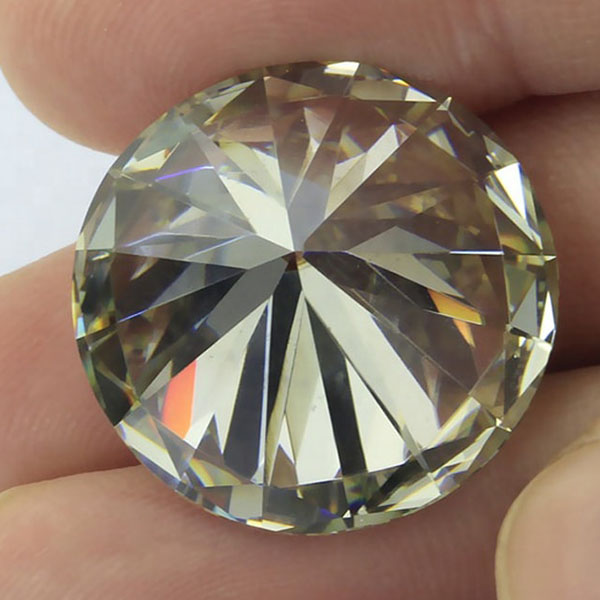
إذا كنت تقوم بتقييم مستوى الجودة هذا, يمكنك مراجعة كاملة 1.2 ct D color VVS صفحة منتجات الألماس السائبة المزروعة في المعمل ومقارنتها بالعروض البديلة بنفس الدرجات المذكورة. استخدامه كمعيار للقياسات, جودة العرض, وشفافية الموردين.
المفتاح هو عدم افتراض كل شيء 1.2 الحجر المستدير ct D VVS مرغوب فيه أيضًا. يمكن للمرء أن يظهر تألق أقوى, التماثل الأنظف, وانتشار أفضل للوجه, في حين أن منتجًا آخر قد يحمل ببساطة نفس الدرجة الواسعة بقيمة أقل تنافسية.
5. قارن إجمالي قيمة الشراء, ليس فقط سعر الحجر المذكور
أرخص عرض أسعار ليس دائمًا أفضل شراء. قد يتضمن الحجر الأعلى سعرًا وثائقًا أفضل, صور أكثر وضوحا, اتصال أسرع, مطابقة أفضل للمخزون, أو عملية ما بعد البيع أكثر موثوقية. للمشترين من رجال الأعمال, فهذه العوامل توفر الوقت وتقلل من الأخطاء المكلفة.
إذا كنت مصادر للإنتاج أو البيع بالتجزئة, ومن الذكاء أيضًا مقارنة مدى سهولة إعادة ترتيب الأحجار المطابقة. الاتساق مهم بنفس القدر الذي يهمه عرض السعر الأول.
قائمة مرجعية بسيطة قبل أن تختار
- قارن بين البيانات المقطوعة ومقاطع الفيديو أولاً.
- تحقق من قياسات ملليمتر, ليس فقط وزن القيراط.
- قرر ما إذا كان اللون الأعلى أو الوضوح ضروريًا حقًا.
- تحقق من الشهادة واطلب صورًا إضافية.
- قارن موثوقية المورد, ليس فقط أقل رقم.
الوجبات الجاهزة النهائية
لمقارنة الماس المزروع في المختبر جيدًا, تحتاج إلى النظر إلى ما هو أبعد من الدرجات الموجزة والتركيز على قيمة الشراء الفعلية. الخيار الأفضل هو الحجر الذي يوازن الأداء, مظهر, الوثائق, والسعر لحالة الاستخدام المحددة الخاصة بك.
إذا كنت لا تزال تقارن الخيارات, تصفح لدينا مجموعة الماس المزروعة في المختبر أو اتصل بفريقنا للمساعدة في مراجعة أحجار معينة قبل تقديم الطلب.