O que o cenário invisível promete – e por que quebra
Um diamante cultivado em laboratório com configuração invisível anel promete uma perfeita, parede ininterrupta de luz: pedras colocadas lado a lado sem nenhum metal visível entre elas, trancado com tanta força que o olho lê uma gema contínua. É a configuração mais exigente que uma bancada pode tentar, e é a configuração que falha com mais frequência em pedras cultivadas em laboratório. Este é um guia de fábrica que explica exatamente por que isso acontece - onde a pedra luta contra a fixação, onde o metal luta contra a pedra, e o que recomendamos quando um comprador deseja uma aparência invisível.
Como a configuração invisível realmente funciona
O cenário invisível não é mágico – é mecânico. Cada pedra é cortada com um sulco raso na metade inferior de seu cinto, logo abaixo do ponto mais largo. Uma estrutura metálica fina, pré-formado com trilhos correspondentes, está escondido sob as pedras. O levantador empurra cada pedra para baixo de modo que a ranhura se encaixe no trilho, e pedras vizinhas pressionam umas contra as outras de ponta a ponta. Bem feito, nenhum metal aparece no rosto; a carga é suportada inteiramente pela estrutura oculta e pelo contato pedra com pedra.
Porque a fixação depende de um ajuste preciso da ranhura ao trilho e de cada pedra ter o mesmo tamanho e ângulo calibrados, a técnica foi originalmente projetada para cortes de princesa calibrados. Diamantes cultivados em laboratório com corte princesa ainda são a forma que tolera melhor a configuração invisível, porque seus lados retos e cantos de 90° assentam perfeitamente um contra o outro. Formas redondas e curvas — cortes de esmeralda com suas longas facetas escalonadas, ou qualquer pedra alongada – são muito mais difíceis, porque as bordas curvas ou angulares deixam lacunas que a ranhura sozinha não consegue fechar.
Por que os diamantes cultivados em laboratório combatem o cenário invisível
A primeira falha está no nível da pedra, antes que qualquer metal seja tocado. A configuração invisível exige um lote de pedras idênticas com alguns centésimos de milímetro de diâmetro, com cintas cortadas na mesma espessura e no mesmo ângulo de coroa. Os diamantes naturais destinados ao trabalho invisível são classificados e recortados para atingir essa tolerância. Lotes de produção cultivados em laboratório, especialmente Pedras cultivadas em CVD, carregam tensão residual de crescimento que faz com que a cinta se comporte de maneira desigual sob a roda do cortador, então até pedras são cortadas “para a mesma especificação” acabam com espessuras e ângulos de cinta ligeiramente diferentes de um para o outro.
Essa variação de alguns centésimos é invisível aos olhos, mas é fatal para um cenário invisível. UMA 0.05 A diferença de mm na altura do cinto significa que o sulco de uma pedra fica um fio de cabelo mais alto que o da vizinha; quando ambos são pressionados no mesmo trilho, a pedra mais alta suporta toda a carga da braçadeira e a mais curta fica solta. Abordamos como controlamos esse tipo de desvio dimensional antes que uma pedra chegue à bancada em nosso guia para como uma fábrica de cravação de diamantes desenvolvida em laboratório controla a qualidade e a simetria do corte. Com configuração invisível, esse controle não é bom de se ter - é a diferença entre uma parede de luz e uma parede que se solta em uma semana.
A falha do canal: Cortando uma pedra cultivada em laboratório
A configuração invisível requer um corte real em cada cinta. Essa ranhura remove material dos mais finos, parte mais estressada da pedra. Os diamantes cultivados em laboratório não são mais fracos do que os naturais em termos de dureza, mas os cálculos de DCV podem transportar tensão direcional que se concentra ao longo das camadas de crescimento; quando um cortador faz uma ranhura na cinta, a tensão pode ser liberada como uma pequena pena ou uma lasca ao longo da parede da ranhura. A pedra passa na inspeção na bancada do cortador, então falha dias ou semanas depois, quando o incubador o pressiona no trilho e a parede da ranhura sob tensão se divide.
Esta é a falha da qual os compradores quase nunca ouvem falar, porque isso acontece dentro da loja de ambientação, não na frente do cliente. Rejeitamos essas pedras e recomeçamos – mas cada rejeição aumenta o custo de construção, que é uma das razões pelas quais as peças invisíveis cultivadas em laboratório têm um preço mais alto do que os compradores esperam por um “sem metal” olhar. A mesma tensão de corte de ranhura é a razão pela qual nota de corte é mais importante, não menos para pedras cultivadas em laboratório em qualquer configuração ranhurada.
A falha de assento e tensão
Mesmo com pedras perfeitamente combinadas e sulcos limpos, a estrutura de metal tem que segurar. As configurações invisíveis são normalmente fundidas em ouro 18K ou platina, em seguida, acabado à mão para que os trilhos fiquem na altura exata que as ranhuras precisam. O levantador lustra as bordas do trilho para dentro para travar cada pedra. Aqui o problema é a incompatibilidade térmica e o empilhamento de tolerância: 18O ouro K se expande com o calor das mãos e a temperatura sazonal, e a expansão da pedra cultivada em laboratório é diferente da de uma pedra natural apenas porque a sua calibração é menos consistente. Ao longo de meses de desgaste, a borda polida que estava perfeitamente tensionada na bancada relaxa alguns mícrons - o suficiente para que um canto de uma pedra se levante.
Uma vez que um canto se levanta, a ilusão invisível se foi, e pior, a pedra levantada se torna um obstáculo que pode ser arrancado pela manga de um casaco ou por uma batida na mesa. Isto é fundamentalmente diferente de um configuração de pino ou moldura, onde o metal envolve ativamente a pedra e um leve relaxamento ainda deixa a pedra capturada. Na fixação invisível, a pedra é mantida apenas pela tensão da ranhura ao trilho e pelo contato com a borda - não há apoio. Quando a tensão relaxa, não há nada.
A falha de desgaste e reparo
Anéis invisíveis cultivados em laboratório são as peças mais difíceis que somos solicitados a limpar, retip, ou reparar, e esse é o fracasso que os compradores sentem anos depois. Você não pode simplesmente reapertar uma pedra solta – não há ponta para dobrar para trás. Reposicionar uma pedra estourada geralmente significa remover vários vizinhos para aliviar a tensão do trilho, re-sulcar ou substituir a pedra, e re-polir toda a linha. Limpeza ultrassônica, o que é rotina para a maioria das joias cultivadas em laboratório, pode sacudir uma pedra invisível quase solta direto para fora de sua grade. A cuidadosa rotina de limpeza e armazenamento em nossos guia de cuidados com anéis de diamante cultivados em laboratório não é opcional para uma peça invisível - é a única razão pela qual algumas delas sobrevivem ao desgaste diário.
O que construímos quando você deseja uma aparência invisível
Quando um comprador pede o produto perfeito, aparência sem metal em pedras cultivadas em laboratório, geralmente os direcionamos para configurações que atingem o mesmo objetivo visual com um controle muito mais indulgente:
- Configuração de canal - as pedras ficam de ponta a ponta dentro de duas paredes metálicas contínuas, dando a mesma linha ininterrupta de luz à distância, com as paredes fazendo a sustentação em vez de um trilho escondido. Nosso faixa de diamante cultivada em laboratório de configuração de canal guia explica como assentamos as pedras para que as paredes suportem a carga.
- Micro-almofada - para uma aparência de brilho contínuo em vez de uma aparência contínua de pedra única, configuração de micro pad usa pequenas contas de metal levantadas da própria pulseira, que se sustentam com muito mais confiabilidade do que um trilho ranhurado em combate corpo a corpo desenvolvido em laboratório.
- Pino ou moldura compartilhada - quando o objetivo é “metal mínimo,” uma linha de pinos compartilhados bem executada ou uma moldura fina proporcionam a maior parte da aparência limpa com um suporte de metal que uma configuração verdadeiramente invisível simplesmente não possui.
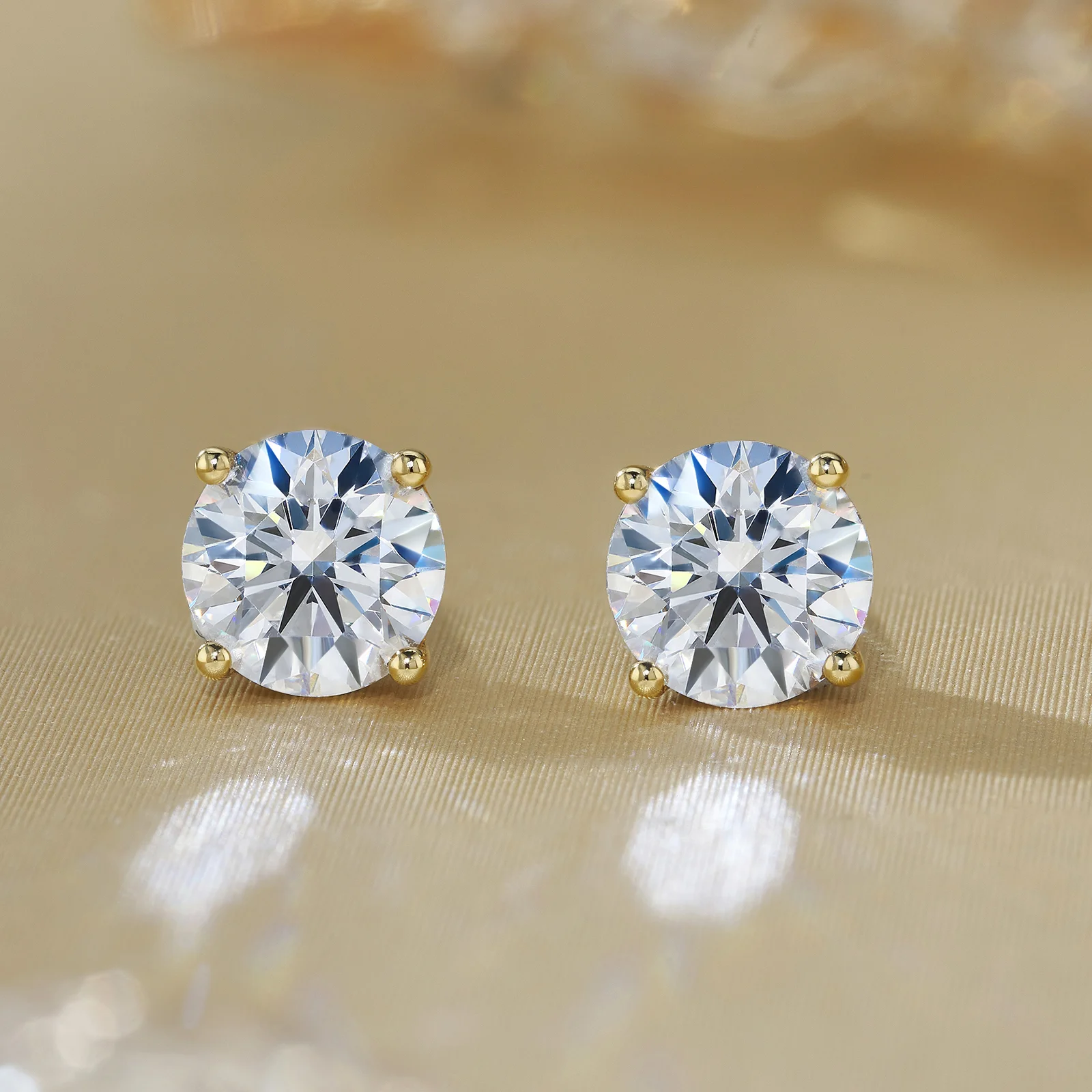
Para brincos e tachas especificamente, onde o visual invisível é popular, a mesma lógica se aplica - veja como equilibramos retenção e brilho brincos de diamante cultivados em laboratório. A conclusão de tudo isso: quase sempre há uma configuração que oferece o visual que você deseja, sem pedir a uma pedra cultivada em laboratório que faça a única coisa que ela faz de forma menos confiável.
Como comprar se você ainda deseja um conjunto verdadeiramente invisível
Se o visual invisível não é negociável, isso pode ser feito com diamantes cultivados em laboratório – apenas custa mais e se desgasta menos do que as alternativas. Pergunte por esses detalhes:
- Somente cortes princesa calibrados. Insista em pedras classificadas com um único diâmetro calibrado e espessura de cinta, não “correspondência a olho nu.” Formas curvas ou alongadas aumentam drasticamente a taxa de falhas.
- 18Moldura K em ouro ou platina, não 9K. O trilho deve manter a tensão de polimento por anos; ligas mais macias relaxam muito rápido. Nosso 14K vs ouro 18K a comparação explica por que traçamos a linha em 18K para configurações mantidas por tensão.
- Uma política escrita de reassentamentos. Porque as pedras invisíveis não são simples de reapertar, concordar por escrito sobre quem paga quando uma pedra estoura no primeiro ano - é um risco definido, não é um defeito de pedra.
- Sem limpeza ultrassônica, sempre. Especifique apenas a limpeza das mãos, e guarde a peça separadamente para que um canto levantado não fique preso.
Respostas rápidas
Os diamantes cultivados em laboratório podem ser invisíveis?? Sim, mas apenas cortes de princesa calibrados em uma moldura de platina ou 18K bem acabada, e somente com o entendimento de que a retenção é a menos tolerante de qualquer configuração e o reparo é o mais caro.
Por que as pedras invisíveis caem mais? Porque a fixação depende inteiramente da tensão da ranhura ao trilho e do contato pedra-pedra - não há pino ou bisel como apoio. Quando o trilho polido relaxa alguns mícrons, um canto se levanta e a pedra desaparece.
A configuração invisível é igual à configuração do canal? Não. A configuração do canal usa duas paredes de metal visíveis para segurar as pedras; configuração invisível usa um trilho oculto preso em uma ranhura cortada em cada pedra. O canal é muito mais confiável em diamantes cultivados em laboratório e oferece uma aparência limpa semelhante.
Qual é a alternativa mais barata e confiável para a configuração invisível? Uma linha de cortes de princesa calibrados com canais definidos, ou uma faixa micro-pavé para uma aparência de brilho contínuo - ambos fornecem a maior parte do visual perfeito com um suporte de metal que realmente segura.
O resultado final honesto
O cenário invisível é belo porque pede o impossível ao metal — desaparecer — e pede o impossível à pedra — manter-se. Num lote perfeito de pedras naturais calibradas, um banco mestre pode fazer isso. Em diamantes cultivados em laboratório, onde a consistência da cintura, tensão de crescimento, e integridade do groove carregam mais variação, essa mesma demanda é exatamente o motivo pelo qual a configuração falha: um sulco solto, um trilho relaxado, um canto levantado, e a parede contínua de luz se torna uma pedra perdida. Ainda podemos construir um diamante cultivado em laboratório com configuração invisível peça quando a aparência importa mais do que o risco - mas a maioria dos compradores fica mais feliz, e usar por mais tempo, com versão em canal ou micropavé da mesma ideia. Se você está pesando os dois, diga-nos o visual que você deseja e mostraremos a configuração que realmente se aplica. Fale com a oficina e citaremos ambos honestamente.