Kim cương được nuôi trong phòng thí nghiệm đã viết lại quy luật của thị trường trang sức, nhưng hòn đá trước mặt bạn chỉ tốt bằng cơ sở đã phát triển, cắt, và chấm điểm nó. Cho dù bạn là nhà bán lẻ, hãy xây dựng khoảng không quảng cáo, một thương hiệu đang vận hành một bộ sưu tập nhãn hiệu riêng, hoặc người mua đặt hàng một sản phẩm tùy chỉnh, tìm một nơi đáng tin cậy nhà sản xuất kim cương trồng trong phòng thí nghiệm là quyết định định hình chất lượng, giá , chứng nhận, và giao hàng. Đối tác sai giao màu không nhất quán, báo cáo chấm điểm yếu, và lỡ thời hạn; điều phù hợp sẽ trở thành một lợi thế thầm lặng mà bạn xây dựng doanh nghiệp dựa trên đó. Hướng dẫn này hướng dẫn chính xác cách kiểm tra nhà sản xuất trước khi bạn đặt hàng.
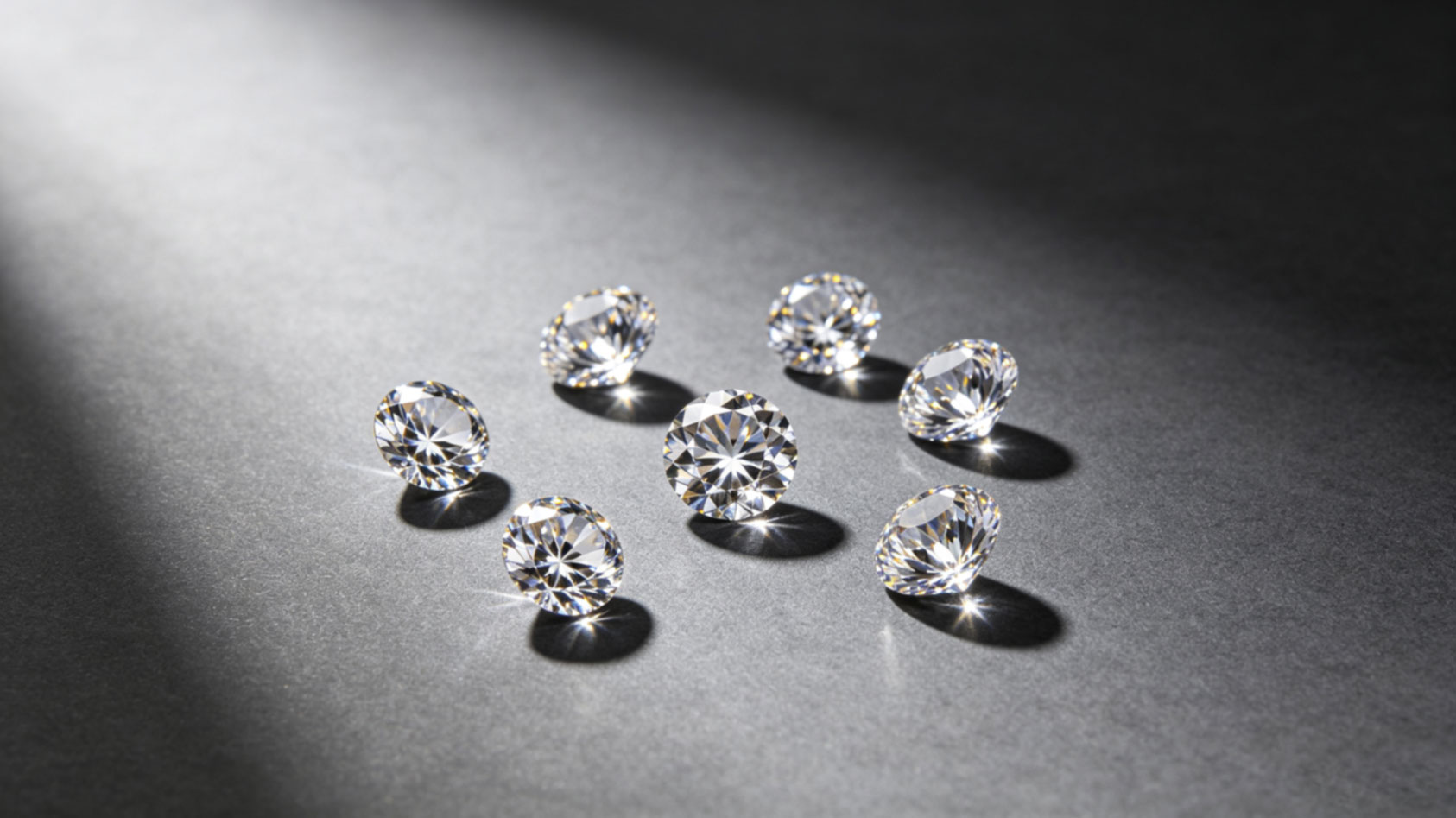
Tại sao sự lựa chọn của bạn về nhà sản xuất kim cương Lab Grown lại quan trọng
Hiệu suất quang học của kim cương được cố định tại nhà máy, không phải phòng trưng bày. Phương pháp tăng trưởng kiểm soát độ căng và màu sắc, đường cắt điều khiển sự rực rỡ, và báo cáo chấm điểm kiểm soát mức độ trung thực của những phẩm chất đó được truyền đạt tới khách hàng của bạn. Một nhà sản xuất đáng tin cậy sở hữu cả ba giai đoạn và có thể bảo vệ mọi thông số kỹ thuật trên chứng chỉ. Một nhà giao dịch chỉ mua đá rời và bán lại chúng không thể trả lời các câu hỏi kỹ thuật, không thể đảm bảo tính nhất quán giữa các lô, và không thể tùy chỉnh phần cắt hoặc cài đặt khi bạn cần thứ gì đó cụ thể. Khoảng cách giá giữa hai bên thường nhỏ hơn chi phí của một lô hàng bị từ chối.
1. Xác nhận sự phát triển của nhà sản xuất, vết cắt, và Bộ kim cương – Không chỉ giao dịch chúng
Câu hỏi đầu tiên cần đặt ra là liệu công ty có tích hợp theo chiều dọc hay không.. Một nhà sản xuất kim cương thực sự được trồng trong phòng thí nghiệm vận hành máy ép tăng trưởng hoặc lò phản ứng CVD của riêng mình, đánh bóng phần thô trên đường cắt và vết cắt của chính nó, và cung cấp thiết lập và hoàn thiện trong nhà. Sự kiểm soát theo chiều dọc đó là điều tạo nên quy trình tùy chỉnh từ kim cương tự nhiên đến đồ trang sức có thể thực hiện được mà không cần giao đơn đặt hàng của bạn cho ba nhà thầu phụ riêng biệt.
Nếu nhà cung cấp không thể mô tả cách thức một viên đá chuyển từ thô sang đánh bóng sang định hình, họ là người trung gian. Người trung gian có vị trí của họ, nhưng chúng không nên được bán cho bạn với tư cách là nhà sản xuất, và bạn không nên trả giá trực tiếp cho nhà sản xuất để có quyền kiểm soát ở cấp độ người bán.
2. Hỏi phương pháp tăng trưởng nào phù hợp với thông số kỹ thuật của bạn: CVD hoặc HPHT
Kim cương trong phòng thí nghiệm được trồng theo hai cách, và một nhà sản xuất có thẩm quyền sẽ hướng bạn đến sản phẩm phù hợp với mục tiêu của bạn thay vì vận chuyển bất cứ thứ gì có trong kho. Sự lựa chọn giữa CVD so với HPHT không phải là một chi tiết tiếp thị; nó làm thay đổi sức căng bên trong, tông màu bạn có thể cần phải xử lý, và phần thô hoạt động như thế nào trong quá trình cắt. CVD có xu hướng sản xuất sạch hơn, vật liệu gần như không màu ở kích thước phổ biến, trong khi HPHT có thể mang lại màu sắc đặc biệt ở phần thô lớn hơn nhưng mang lại nhiều ứng suất bên trong hơn mà một thợ cắt lành nghề phải quản lý.
Hỏi trực tiếp nhà sản xuất: cho viên đạn D-VVS 1,5 carat, bạn trồng bằng phương pháp nào, và tại sao? Đối tác đáng tin cậy trả lời không do dự. Câu trả lời mơ hồ hoặc lảng tránh là dấu hiệu cảnh báo đầu tiên.
3. Yêu cầu chứng chỉ thực sự – và xác minh chúng
Mỗi viên đá rời khỏi nhà máy nghiêm túc đều được gửi kèm theo một báo cáo phân loại, thường là từ IGI cho vật liệu được trồng trong phòng thí nghiệm. Nhưng một báo cáo chỉ có giá trị như tờ giấy in ra nếu bạn có thể xác nhận nó. Hỏi phòng thí nghiệm nào nhà sản xuất sử dụng, Và hiểu sự khác biệt giữa IGI và GIA cho kim cương được nuôi trong phòng thí nghiệm – IGI thống trị danh mục vì lý do chính đáng về chi phí và tính sẵn có, trong khi ngôn ngữ phân loại chặt chẽ hơn của GIA có thể chống lại mức giá do phòng thí nghiệm đưa ra nếu bạn không hiểu nó.
Sau đó xác minh. Một nhà sản xuất đáng tin cậy mong đợi bạn kiểm tra trực tuyến chứng chỉ kim cương được trồng trong phòng thí nghiệm chống lại dòng chữ laser trên đá. Bất kỳ nhà cung cấp nào không khuyến khích việc xác minh đều đang che giấu điều gì đó.
4. Thẩm phán cắt chất lượng, Không chỉ là 4C trên giấy tờ
Hai viên đá có màu D giống hệt nhau, Độ rõ của VS1, và một “xuất sắc” lớp cắt có thể trông khác biệt đáng kể, bởi vì “xuất sắc” là một dải rộng và sự khác biệt giữa mặt trên và mặt dưới của nó được tạo ra trên bánh xe đánh bóng. Đây là nơi nhà sản xuất kiếm được lợi nhuận. Hỏi cách nhà máy kiểm soát các góc và tính đối xứng trước khi một hòn đá chạm tới băng ghế, và đọc phân tích của chúng tôi về cấp độ cắt tốt nhất cho kim cương được nuôi trong phòng thí nghiệm để bạn biết con số nào thực sự quan trọng.
Các nhà sản xuất tốt nhất công bố các tiêu chuẩn phân loại nội bộ của họ và có thể cho bạn thấy sự khác biệt giữa 57% cái bàn và một 60% bàn trên đá thật. nhìn thấy cách một nhà máy thiết lập kiểm soát chất lượng cắt và tính đối xứng là một cửa sổ dẫn vào nguyên tắc phân biệt một nhà cung cấp nhất quán với một nhà cung cấp may mắn.
5. Kiểm tra năng lực sản xuất và độ sâu tùy chỉnh
Giá cả chẳng có ý nghĩa gì nếu nhà máy không thể cung cấp số lượng hoặc thiết kế của bạn. Hỏi về số lượng đặt hàng tối thiểu, thời gian giao hàng điển hình cho cả đá có sẵn và đá tùy chỉnh, và liệu họ có thể cắt những hình dạng lạ mắt hoặc giữ được dung sai phù hợp chặt chẽ cho các cặp và quầng sáng hay không. Một nhà sản xuất thực sự có thể hướng dẫn bạn con đường đầy đủ từ kim cương rời đến đồ trang sức thành phẩm và báo giá từng giai đoạn. Một nhà giao dịch sẽ báo giá và sau đó im lặng ngay khi bạn hỏi về cài đặt, khắc, hoặc các bên phù hợp.
6. So sánh Địa lý: Trung Quốc vs Ấn Độ
Hầu hết kim cương được trồng trong phòng thí nghiệm ngày nay đều được trồng ở một trong hai trung tâm, và mỗi người có một tính cách khác nhau. Hiểu biết về Sự khác biệt giữa kim cương trồng trong phòng thí nghiệm của Trung Quốc và Ấn Độ giúp bạn đặt kỳ vọng thực tế về giá, cắt giảm tính nhất quán, và thời gian dẫn. Các cơ sở của Trung Quốc thường dẫn đầu về độ chính xác cắt và công việc cài đặt tích hợp, trong khi các cơ sở của Ấn Độ thường dẫn đầu về số lượng và giá cả cạnh tranh. Sự lựa chọn đúng đắn phụ thuộc vào việc bạn mua một vài viên đá cao cấp hay điền vào toàn bộ danh mục.
7. Nhấn mạnh vào sự minh bạch về giá và các điều khoản bán buôn rõ ràng
Một báo giá đáng tin cậy của nhà sản xuất trên mỗi carat theo thông số kỹ thuật, giải thích lý do thực sự khiến giá kim cương lỏng lẻo thay đổi, và tách chi phí đá khỏi việc lắp đặt và hoàn thiện. Theo dõi các trích dẫn gói mọi thứ thành một số mờ, bởi vì đó là nơi lợi nhuận được ẩn giấu một cách lặng lẽ và là nơi chất lượng được âm thầm hạ cấp để bảo vệ nó. Để có một khuôn khổ đầy đủ, chạy của chúng tôi Danh sách kiểm tra tìm nguồn cung ứng trang sức kim cương bán buôn trước khi bạn cam kết đặt hàng.
8. Yêu cầu mẫu hoặc chuyến tham quan nhà máy thực tế
Trước một đơn đặt hàng lớn, mua một hoặc hai viên đá mẫu và kiểm tra chúng dựa trên giấy chứng nhận dưới ánh sáng tương đương ánh sáng ban ngày. Đối với những mối quan hệ lớn hơn, yêu cầu một chuyến tham quan bằng video trực tiếp về quá trình tăng trưởng và cắt giảm, không phải là một cuộn phim tiếp thị bóng bẩy mà là một hướng dẫn thực sự nơi bạn có thể xem những viên đá được phân loại và đánh bóng. Một nhà sản xuất không có gì phải giấu giếm sẽ lên lịch cho nó. Một nơi chỉ gửi ảnh stock sẽ không.
Cờ đỏ nên kết thúc cuộc trò chuyện
- Giá thấp hơn nhiều so với thị trường hiện hành mà không có lời giải thích kỹ thuật.
- Đá được cung cấp không có báo cáo phân loại, hoặc với một báo cáo từ một phòng thí nghiệm không xác định.
- Miễn cưỡng xác minh chứng chỉ hoặc chia sẻ số dòng chữ laser.
- Không thể nói phương pháp tăng trưởng nào đã được sử dụng hoặc cách kiểm soát việc cắt.
- Ảnh stock thay vì ảnh thật của viên đá thật đang được bán.
- Áp lực phải trả trước toàn bộ số tiền trước khi cấp bất kỳ chứng chỉ nào.
Tại sao nên làm việc với Nhà sản xuất kim cương trồng trong phòng thí nghiệm dọc
Khi bạn lấy nguồn từ một cơ sở duy nhất phát triển, vết cắt, điểm, và bộ, bạn loại bỏ sự chỉ tay làm hỏng dòng thời gian bán buôn. Một đội chịu trách nhiệm về màu sắc, vết cắt, giấy chứng nhận, và cài đặt, và một nhóm có thể tùy chỉnh bất kỳ trong số chúng mà không cần khởi động lại chuỗi cung ứng. Tìm hiểu thêm về chúng tôi là ai và cách thức hoạt động của một nhà máy tích hợp, hoặc đi thẳng đến liên hệ với nhóm của chúng tôi với thông số kỹ thuật và khối lượng của bạn.
Phần kết luận
Tìm một nơi đáng tin cậy nhà sản xuất kim cương trồng trong phòng thí nghiệm bắt đầu đặt những câu hỏi hay hơn người mua tiếp theo: người thực sự trồng đá, phương pháp nào và tại sao, bạn có thể xác minh chứng chỉ không, việc cắt được kiểm soát như thế nào, và nhà máy có thể giao khối lượng và thiết kế của bạn không. Trả lời những câu hỏi đó trước khi bạn trả tiền, và bạn biến việc mua bán buôn đầy rủi ro thành một lợi thế có thể lặp lại. Kiểm tra nhà máy, xác minh giấy tờ, và hợp tác với một nhà sản xuất, bạn có thể nắm rõ từng dòng trên báo cáo chấm điểm.
Nguồn từ nhà máy của chúng tôi
Sản xuất nhẫn kim cương trong phòng thí nghiệm tùy chỉnh – OEM/ODM được sản xuất nội bộ tại Wentworth Diamonds — yêu cầu giá bán buôn hoặc thông số kỹ thuật tùy chỉnh.