หนึ่ง แหวนหมั้นรูปไข่ ถือเป็นรูปทรงเพชรที่ได้รับการร้องขอมากที่สุดต่อเนื่องมาหลายปี, และด้วยเหตุผลที่ดี. ภาพเงาที่ยาวของวงรีทำให้ทุกนิ้วดูแบนราบ, หงายหน้าให้ใหญ่กว่าทรงกลมที่มีน้ำหนักกะรัตเท่ากัน, และเมื่อคุณเลือกวงรีที่ปลูกในห้องทดลอง คุณจะได้รูปลักษณ์ที่ใหญ่โตในราคาเพียงเสี้ยวหนึ่งของหินที่ขุดได้. แต่ไม่ใช่ว่าทุกวงรีจะเป็นวงรีที่ดี: สัดส่วนเดียวกันกับที่ทำให้รูปร่างสวยงามสามารถสร้างความมืดได้, ไม่ยกยอ “หูกระต่าย” ข้ามศูนย์กลาง, และการตั้งค่าหรือโลหะที่ไม่ถูกต้องอาจทำให้ประกายไฟที่คุณจ่ายไปลดน้อยลง.
คู่มือนี้จะอธิบายสิ่งสำคัญจริงๆ เมื่อเลือกซื้อแหวนหมั้นทรงรีในปี 2026—วิธีสังเกตหูกระต่ายที่เสีย, อัตราส่วนความยาวต่อความกว้างที่ดูดีที่สุดในมือ, การตั้งค่าใดจะช่วยปกป้องส่วนปลายที่มีช่องโหว่ของวงรี, และวิธีการใช้เพชรจากแล็บให้ใหญ่ขึ้น, หินที่ดีกว่าสำหรับงบประมาณของคุณ.
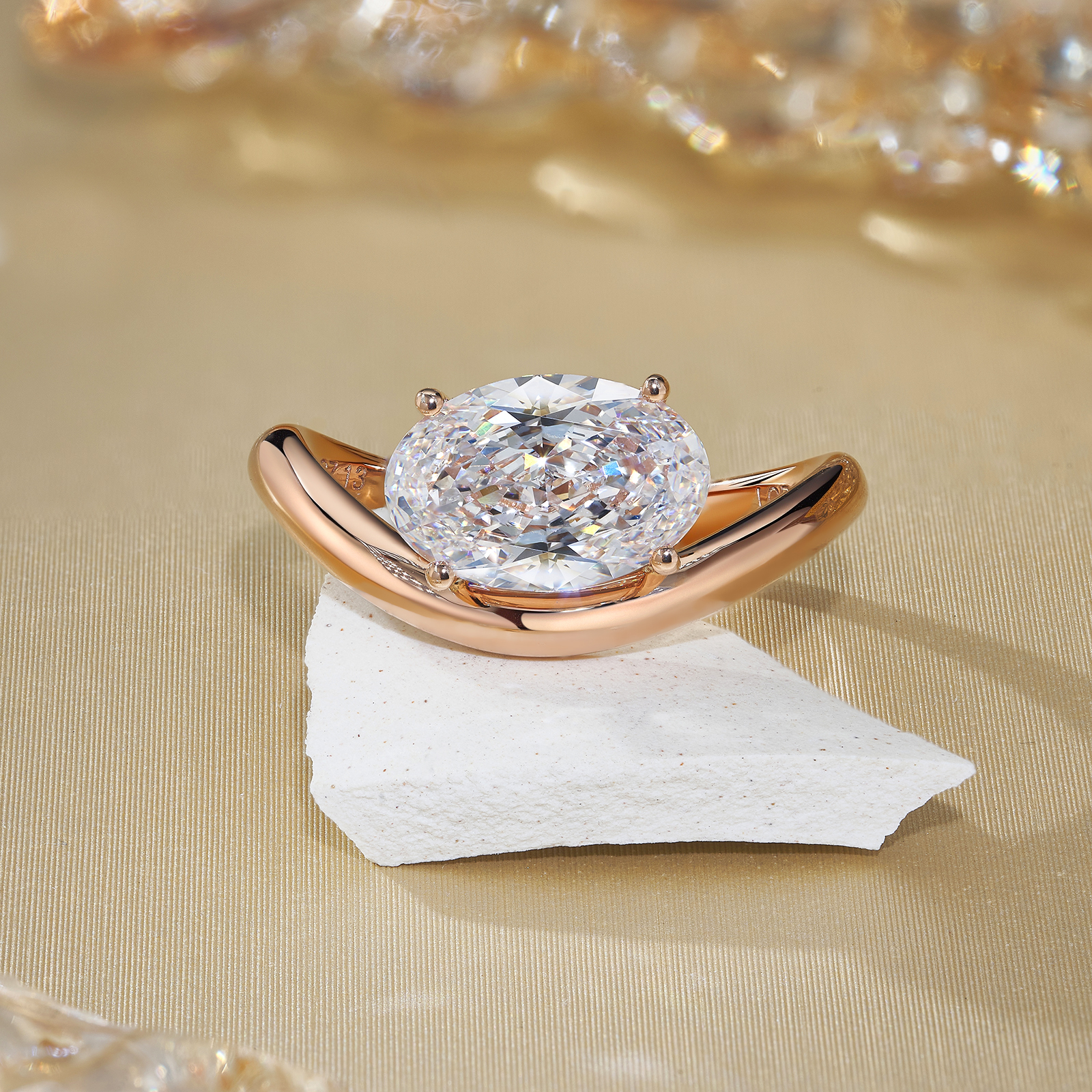
แหวนหมั้นวงรีที่ปลูกในห้องแล็บ ตัวเรือนโรสโกลด์ 14k ดูดีมีระดับ, จับคู่ที่ขายดีที่สุด.
เหตุใดแหวนหมั้นทรงรีจึงแซงหน้าทุกรูปทรง
วงรีคือก ตัดที่ยอดเยี่ยม, หมายความว่ามีเหลี่ยมมุม 57–58 แบบเดียวกับทรงกลมที่ยอดเยี่ยม, จึงคืนแสงสว่างด้วยไฟอันแรงกล้า. แต่เนื่องจากโครงร่างมันยาว, วงรีทำสองสิ่งที่รอบทำไม่ได้: ทำให้นิ้วดูยาวและเรียวขึ้น, และกระจายน้ำหนักกะรัตไปทั่วพื้นที่ผิวที่ใหญ่กว่าเช่นเดียวกับหิน ดู ใหญ่กว่าทรงกลมที่มีน้ำหนักเท่ากัน. สำหรับผู้ซื้อที่ทำงานด้วยงบประมาณ—โดยเฉพาะงบประมาณที่ปลูกโดยห้องปฏิบัติการ, โดยที่คุณประหยัดได้ 50–70% เมื่อเทียบกับที่ขุดได้—นั่น “หงายหน้าใหญ่” ข้อได้เปรียบคือเหตุผลเดียวที่ใหญ่ที่สุดในการเลือกวงรี.
ความสนใจในการค้นหาบอกเล่าเรื่องราวเดียวกัน. Google Trends แสดงให้เห็นว่า แหวนหมั้นรูปไข่ โดยมีประมาณสองเท่าของสหรัฐอเมริกาที่ยั่งยืน. ความสนใจของรัศมี, มรกตตัด, และการค้นหาแหวนหมั้นสีโรสโกลด์, และ “แหวนหมั้นเพชรจากห้องปฏิบัติการรูปไข่” เป็นหนึ่งในคำที่เกี่ยวข้องที่เพิ่มขึ้นเร็วที่สุด. ผู้ซื้อไม่เพียงแค่เลือกดูวงรีเท่านั้น แต่พวกเขากำลังเลือกซื้อวงรีที่ปลูกในห้องทดลองโดยเฉพาะ.
ข้อบกพร่องเดียวที่สามารถทำลายวงรีได้: เอฟเฟกต์โบว์ไท
การเจียระไนที่แวววาวแบบยาวทุกครั้งจะมีเงาพาดผ่านตรงกลางซึ่งมีแสงรั่วไหลออกมาแทนที่จะสะท้อนกลับ. บนวงรี, เงานั้นดูเหมือนความมืด “หูกระต่าย” ตัวเล็ก, หูกระต่ายสีจางถือเป็นเรื่องปกติและแทบมองไม่เห็น; ใหญ่, มืด, สิ่งหนึ่งที่ชัดเจนทำให้หินดูไม่มีชีวิตชีวาและเป็น #1 เหตุผล “ราคาถูก” รูปไข่ดูราคาถูก.
คุณไม่สามารถตัดสินหูกระต่ายจากใบรับรองได้. วงรีสองวงที่มีการตัดเหมือนกัน, สี, ความชัดเจน, และเกรดกะรัตอาจมีหูกระต่ายที่แตกต่างกันโดยสิ้นเชิง, เพราะมันขับเคลื่อนด้วยการจัดตำแหน่งด้านและมุมพาวิลเลี่ยน—รายละเอียดที่ไม่ปรากฏในรายงานห้องปฏิบัติการ. วิธีเดียวที่เชื่อถือได้ในการตรวจสอบคือการใช้วิดีโอและรูปถ่ายของ แท้จริง หิน, ไม่ใช่การเรนเดอร์. เมื่อเปรียบเทียบวงรีที่ปลูกในห้องปฏิบัติการกับสเป็คเดียวกัน, ขอภาพจริงและดูหินในสภาพแสงต่างๆ เสมอ; นี่คือที่ที่คุณควร เปรียบเทียบเพชรที่ปลูกในห้องทดลองกับสเปคเดียวกันเคียงข้างกัน ก่อนที่จะกระทำการ.
อัตราส่วนความยาวต่อความกว้าง: ยาวเทียบกับ. วงรีอ้วน
รูปลักษณ์ของวงรีถูกกำหนดโดยความยาวต่อความกว้าง (ลิตร/วัตต์) อัตราส่วน. ช่วงคลาสสิกคือ 1.35–1.50:
- 1.30–1.40 — หนาขึ้น, เกือบจะเป็นรูปหมอน; อ่านแล้วให้ความรู้สึกวินเทจมากขึ้น.
- 1.41–1.50 — ที่นิยมมากที่สุด “ยาวสง่างาม” ดูเป็นที่ยกมือส่วนใหญ่.
- 1.51 และขึ้น - ยาวและเรียวมาก; การทำตัวให้ผอม, แต่สามารถอ่านได้บางและมีแนวโน้มว่าจะผูกโบว์ที่แข็งแรงกว่า.
ไม่มีโสด “ดีที่สุด” อัตราส่วนเฉพาะที่เหมาะกับมือและรสนิยมของผู้สวมใส่เท่านั้น. 1.45–1.50 ลิตร/วัตต์ ถือว่าปลอดภัยสำหรับทุกคน. หากคุณไม่แน่ใจว่ารูปร่างที่ยาวจะอ่านได้แค่ไหนบนมือที่เล็กกว่า, คำแนะนำของเราเกี่ยวกับ รูปทรงเพชรที่ดีที่สุดสำหรับมือเล็กๆ เดินผ่านสัดส่วนที่ดูสมดุลมากกว่าล้นหลาม.
ทำไมรูปวงรีถึงใหญ่ขึ้น (และนั่นหมายถึงอะไรสำหรับงบประมาณของคุณ)
โดยทั่วไปแล้ว วงรีขนาด 1.5 กะรัตจะมีพื้นที่หงายหน้าใหญ่กว่าทรงกลมขนาด 1.5 กะรัต, เพราะวงรีจะกระจายน้ำหนักตามยาวแทนที่จะกระจายน้ำหนักไปลึก. ในทางปฏิบัติ, นั่นหมายความว่าคุณสามารถลดน้ำหนักกะรัตลงได้เล็กน้อยและยังคงได้รับความคุ้มครองเท่าเดิม หรือจะรักษาน้ำหนักไว้และเพลิดเพลินไปกับรูปลักษณ์ที่ใหญ่ขึ้นอย่างเห็นได้ชัดสำหรับเงินที่จ่ายไป.
จับคู่รูปทรงเรขาคณิตนั้นกับการกำหนดราคาที่ปลูกในห้องแล็บและมูลค่าจะทวีคูณ. หากคุณกำลังกำหนดเป้าหมายรูปลักษณ์ที่เฉพาะเจาะจง—พูด, วงรี 2 กะรัต ช่วยให้เข้าใจได้อย่างชัดเจนว่าผู้ซื้อจ่ายอะไรในตลาดปัจจุบัน; การสลายตัวของเรา 2 ราคาแหวนเพชรที่ปลูกในห้องแล็บกะรัต 2026 แสดงให้เห็นว่าเงินไปที่ไหนและไม่ได้ไปที่ไหน. กฎทั่วไป: ให้ความสำคัญกับคุณภาพการตัดและอัตราส่วน L/W ก่อน, จากนั้นจึงยืดน้ำหนักกะรัตด้วยการประหยัดที่ห้องแล็บช่วยให้คุณได้. สำหรับกรอบการแลกเปลี่ยนนั้น, ดูคำแนะนำในการเลือกของเรา ขนาดเพชรที่ปลูกในห้องทดลองที่ดีที่สุดสำหรับงบประมาณของคุณ.
เลือกการตั้งค่าที่เหมาะสมสำหรับวงรี
การตั้งค่านี้ไม่เพียงช่วยยึดหินเท่านั้น แต่ยังช่วยปกป้องปลายแหลมทั้งสองของวงรีอีกด้วย (ส่วนที่มีแนวโน้มแตกหักง่ายที่สุดของรูปร่าง) และกำหนดรูปแบบการถ่ายภาพและการสวมใส่แหวน.
เล่นไพ่คนเดียว
เอสี่- หรือไพ่โซลิแทร์หกง่ามแสดงให้เห็นโครงร่างทั้งหมดของวงรีและเป็นตัวเลือกที่เหนือกาลเวลาที่สุด. หกง่ามปลอดภัยกว่าสำหรับทิป; ง่ามสี่แฉกนั้นสะอาดกว่า แต่ปล่อยให้จุดสัมผัสมากขึ้น. เล่นไพ่คนเดียวยังเป็นสไตล์ที่ง่ายที่สุดในการจับคู่กับแหวนแต่งงานเกือบทุกวงในภายหลัง.
ฝา
กรอบทั้งหมดหรือบางส่วนพันโลหะรอบขอบวงรี, ปกป้องทิปอย่างสมบูรณ์ เหมาะสำหรับผู้สวมใส่ที่กระตือรือร้น. ข้อเสียคือกรอบปิดบังหินมากขึ้นและทำให้อ่านค่าได้เล็กลงเล็กน้อย. การเปรียบเทียบของเรา ฝาเทียบกับ. แหวนหมั้นเล่นไพ่คนเดียว นำเสนอรายละเอียดการแลกเปลี่ยนระหว่างความทนทานกับประกายแวววาว.
รัศมีที่ซ่อนอยู่
รัศมีที่ซ่อนอยู่อยู่ใต้หินตรงกลาง, เพิ่มวงแหวนเพชรเน้นย้ำที่เพิ่มความแวววาวโดยรวม และทำให้รูปวงรีดูใหญ่ขึ้นเมื่อมองจากด้านข้าง โดยไม่ต้องเปลี่ยนซิลลูเอทจากบนลงล่าง. เป็นหนึ่งในการอัพเกรดที่ได้รับความนิยมมากที่สุดในวงรีที่ปลูกในห้องปฏิบัติการ; ดูคำแนะนำของเราเกี่ยวกับ แหวนหมั้นเพชรที่ปลูกในห้องปฏิบัติการรัศมีที่ซ่อนอยู่ สำหรับมืออาชีพ, ข้อเสีย, และสิ่งที่ต้องตรวจสอบ.
ปูและอาสนวิหาร
Pavé ตกแต่งสายด้วยเพชรเน้นๆ เม็ดเล็กๆ เพื่อความแวววาวโดยรวมสูงสุด, และการตั้งค่าอาสนวิหารยกหินตรงกลางบนส่วนโค้งโลหะเพื่อความสูงและการแสดงตน. ทั้งเพิ่มการแสดงตน แต่ยังต้องเสียค่าใช้จ่ายด้วย, และแบบพาเวต้องการการบำรุงรักษาเพิ่มอีกเล็กน้อย. หากคุณกำลังชั่งน้ำหนักวงปู, ของเรา คู่มือผู้ซื้อแหวนหมั้นแบบพาเว่ ครอบคลุมถึงการแลกเปลี่ยนระหว่างไมโครกับแชนเนล.
เลือกโลหะที่เหมาะสม
สีโลหะเปลี่ยนทั้งรูปลักษณ์ของวงรีและลักษณะสีของตัวเครื่อง:
- แพลตตินัมและทองคำขาว — การจับคู่ที่ปลอดภัยที่สุดสำหรับคนไม่มีสี (ดี-จี) วงรี; โลหะสีขาวสะท้อนแสงกลับผ่านหินและซ่อนความอบอุ่นเล็กน้อย.
- สีเหลืองทอง — อบอุ่นและคลาสสิก; มันสามารถทำให้สีลดลงได้ (เอช-เจ) รูปไข่ดูตั้งใจวินเทจมากกว่า “อบอุ่น,” เพราะโทนสีโลหะกลมกลืนกับหิน.
- โรสโกลด์ — ทางเลือกที่โรแมนติก, และการจับคู่ที่ประจบสอพลอโดยเฉพาะสำหรับวงรีที่ปลูกในห้องปฏิบัติการ. ความอบอุ่นสีชมพูของโรสโกลด์ทำให้สีผิวของหินดูอ่อนลงและเข้ากับสีผิวส่วนใหญ่, ซึ่งเป็นเหตุผลว่าทำไมการตั้งค่ารูปวงรีสีโรสโกลด์ดังที่แสดงไว้ด้านบนจึงยังคงขายดีที่สุด.
ไม่ว่าคุณจะเลือกโลหะอะไรก็ตาม, ตัดสินใจเลือกความบริสุทธิ์กะรัตอย่างจงใจ. 14K มีความแข็งกว่าและทนทานต่อการขีดข่วนมากกว่าสำหรับการสวมใส่ในชีวิตประจำวัน; 18K มีสีที่เข้มข้นกว่าและมีคุณค่ามากกว่าแต่นุ่มนวลกว่า. ของเรา 14เค ปะทะ. 18แหวนหมั้นเคทอง คู่มือทำลายความทนทาน, สี, และคุณค่าระยะยาวเพื่อให้คุณเลือกได้อย่างมั่นใจ.
เคล็ดลับเรื่องสีและความชัดเจนสำหรับวงรีโดยเฉพาะ
วงรีมีพฤติกรรมแตกต่างจากวงกลมเล็กน้อยในเรื่องสีและความชัดเจน:
- เน้นสีที่ปลาย. ปลายแหลมของวงรีจะแสดงสีลำตัวได้เร็วกว่าทรงกลม, ดังนั้นเพื่อให้ดูไม่มีสี D–G จึงเป็นโซนปลอดภัย, และ H หรือต่ำกว่าจะแสดงความอบอุ่นที่จุดนั้นเร็วกว่า โดยเฉพาะในโลหะสีขาว (มาส์กสีเหลืองและสีโรสโกลด์). ผู้อธิบายของเราเกี่ยวกับ ดี-เอฟ ปะทะ. สีเพชรแล็บ G-H ช่วยให้คุณตัดสินใจว่าจะใช้จ่ายที่ไหน.
- การรวมซ่อนได้ดี. รูปแบบเหลี่ยมมุมที่สวยงามช่วยปกปิดรอยตำหนิเล็กๆ น้อยๆ ได้ดีกว่าการตัดแบบขั้นบันได, ดังนั้นคุณจึงสามารถตกลงไปที่ VS2 หรือแม้แต่ SI1 ที่สะอาดตาโดยไม่มีใครสังเกตเห็น—เงินที่ใช้จ่ายไปกับการตัดและขนาดได้ดีกว่า. อ่านคำแนะนำของเราใน เมื่อความคมชัด VS มีค่าดีกว่า VVS ก่อนจะจ่ายค่าเกรดที่คุณไม่สามารถดูได้.
- ยังคงตัดกฎเกณฑ์. “ตัดเกรด” ในรายงานของห้องปฏิบัติการจะมีมาตรฐานน้อยกว่าสำหรับวงรีมากกว่ารอบ, ดังนั้นจงตัดสินด้วยตาของคุณ: คม, ด้านสมมาตร, แม้แต่แสงกลับ, และหูกระต่ายแบบมินิมอลนั้น. ของเรา เกรดการเจียระไนที่ดีที่สุดสำหรับเพชรที่ปลูกในห้องทดลอง คู่มือจะอธิบายสิ่งที่ควรตรวจสอบจริง.
จับคู่แหวนแต่งงานกับวงรี
เพราะวงรีวางตามยาวบนนิ้ว, มันสามารถสร้างช่องว่างเล็กๆ กับแหวนแต่งงานทรงตรงได้ ซึ่งไม่ใช่ปัญหาสำหรับผู้ซื้อบางรายและเป็นตัวทำลายข้อตกลงสำหรับคนอื่นๆ. โค้ง (บั้ง) วงดนตรี, วงดนตรีที่มีรอยบาก, หรือเล่นไพ่คนเดียวที่มีรายละเอียดต่ำทั้งหมดจะแก้ปัญหานี้ได้, และผู้ซื้อจำนวนมากก็ยอมรับช่องว่างเล็กน้อย. หากคุณต้องการให้สแต็กดูตั้งใจมากกว่าที่จะยุ่ง, คำแนะนำของเราเกี่ยวกับ แหวนแต่งงานที่ดีที่สุดสำหรับแหวนหมั้นทรงรี กำหนดตัวเลือกที่ดูสอดคล้องกัน.
วงรีเทียบกับ. รูปร่างยาวอื่นๆ
หากคุณชอบลุคที่ยาวแต่อยากเปรียบเทียบ, ทางเลือกที่ใกล้ที่สุดคือ ตัดมาร์คีส (ชี้ไปที่ปลายทั้งสองข้าง, ความยาวนิ้วสูงสุด, ความเสี่ยงผูกโบว์ที่แข็งแกร่งที่สุด) และ รูปร่างลูกแพร์ (ปลายมนด้านหนึ่ง, หนึ่งชี้, ภาพเงาหยดน้ำตา). ทรงรีเป็นทรงที่ให้อภัยได้มากที่สุดในบรรดาทั้งสามแบบ—มีแนวโน้มว่าจะผูกโบว์อย่างรุนแรงน้อยกว่าทรงมาร์คีส์และมีทิศทางน้อยกว่าทรงลูกแพร์—ซึ่งเป็นเหตุผลว่าทำไมมันจึงยังคงเป็นตัวเลือกที่ปลอดภัยที่สุดสำหรับผู้ซื้อครั้งแรก.
วิธีซื้อวงรีที่ปลูกในห้องปฏิบัติการอย่างมั่นใจ
เมื่อคุณจำกัดข้อกำหนดให้แคบลงแล้ว, ไมล์สุดท้ายคือการตรวจสอบ:
- ยืนยันในรายงานห้องปฏิบัติการ. IGI เป็นใบรับรองที่พบบ่อยที่สุดสำหรับเพชรที่ปลูกในห้องแล็บ และได้รับการยอมรับอย่างกว้างขวาง; หินที่ปลูกในห้องแล็บเกรด GIA มีอยู่จริงแต่หายากกว่าและมีราคาแพงกว่า. ของเรา ไอจี กับ. GIA สำหรับเพชรที่ปลูกในห้องทดลอง การเปรียบเทียบจะอธิบายว่าสิ่งใดเหมาะสมกับเป้าหมายของคุณ.
- ตรวจสอบรายงานออนไลน์. จับคู่คำจารึกเลเซอร์และหมายเลขซีเรียลบนหินกับบันทึกออนไลน์ของห้องปฏิบัติการก่อนชำระเงิน. นี่ วิธีตรวจสอบใบรับรองเพชรที่ปลูกในห้องปฏิบัติการทางออนไลน์.
- ซื้อหิน, ไม่ใช่กระดาษ. สอง “เหมือนกัน” รูปวงรีอาจดูแตกต่างออกไป ดังนั้นควรเปรียบเทียบภาพถ่ายและวิดีโอจริงเสมอ, โดยเฉพาะอย่างยิ่งสำหรับหูกระต่าย.
บรรทัดล่าง
ที่ได้รับการคัดสรรอย่างดี แหวนหมั้นรูปไข่ มอบการผสมผสานที่หายากของภาพเงาที่ประจบสอพลอ, รูปลักษณ์ที่ใหญ่กว่าชีวิต, และ—ผ่านห้องทดลอง—ราคาที่ช่วยให้คุณอัพเกรดการเจียระไนหรือกะรัตได้โดยไม่ต้องยืดออก. ได้สัดส่วนที่ถูกต้อง (หูกระต่ายสะอาดตาและมีอัตราส่วน L/W ใกล้เข้ามา 1.45), ปกป้องทิปด้วยการตั้งค่าที่ถูกต้อง, จับคู่โลหะกับสีของหิน, และตรวจสอบใบรับรอง. ทำสี่สิ่งนี้แล้วคุณจะได้รูปวงรีที่ดูแพงกว่าที่เป็นอยู่มาก และสวมใส่ได้สวยงามมานานหลายทศวรรษ.