ما هو خاتم الخطوبة تمهيد?
أ تمهيد خاتم الخطوبة هو إطار يكون فيه الشريط - وأحيانًا المعرض أو الهالة - مبطنًا بعشرات من قطع الألماس الصغيرة المرصعة بالقرب من بعضها البعض بحيث يختفي المعدن تقريبًا, تاركًا ما يشبه شريطًا مستمرًا من الضوء. الاسم يأتي من الكلمة الفرنسية ل “معبد,” لأن الشريط المرصوف جيدًا يشبه الطريق المرصوف بالماس.
على عكس سوليتير, حيث يحمل حجر مركزي واحد التصميم بأكمله, خاتم الخطوبة الممهد ينتشر التألق عبر الإصبع بأكمله. وهذا يجعلها واحدة من الإعدادات الأكثر شعبية في 2026 بالنسبة للمشترين الذين يريدون أقصى قدر من التألق بميزانية متواضعة، فإن الأحجار الصغيرة المميزة غير مكلفة, ومع ذلك، فإن التأثير التراكمي يبدو أكثر فخامة بكثير مما يوحي به وزن القيراط. وهو أيضًا الاقتران الطبيعي للألماس البيضاوي المزروع في المختبر والموضح أدناه, حيث تعمل الفرقة المرصوفة على تضخيم ممدود بالفعل, حجر مركزي لامع.
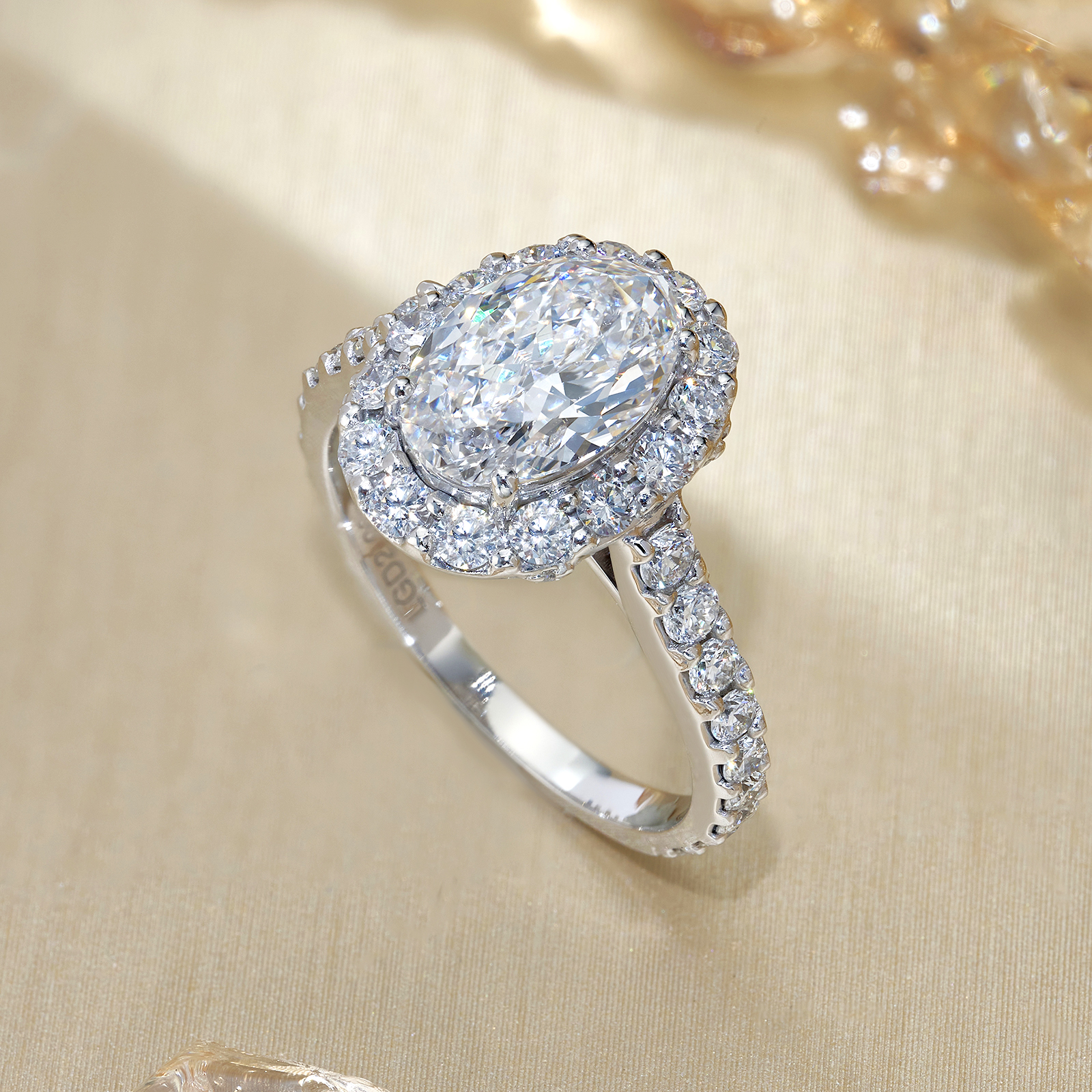
ألماسة بيضاوية تم إنتاجها في المختبر في خاتم خطوبة مرصوف - المزيج الأكثر 2026 يطلب المتسوقون أقصى قدر من التألق وتغطية الأصابع.
كيف يعمل بافيه: فرنسي, مايكرو, والقناة
ليس كل “حجارة الرصف” تم بناء الحلقة بنفس الطريقة, ويغير البناء المظهر والمتانة على المدى الطويل:
- الرصيف الفرنسي يستخدم شوكات صغيرة على شكل حرف V مقطوعة في المعدن بحيث يتم تثبيت كل ماسة بواسطة حبة شبه غير مرئية. وتنتج الأكثر سلاسة, “معبد” المظهر وهو النمط الذي يتصوره معظم المشترين عندما يتخيلون خاتم خطوبة ممهد - ولكن الشوكات الصغيرة حساسة ومناسبة تمامًا لمرتديها الذين يستخدمون أيديهم بلطف.
- وسادة صغيرة يستخدم حجارة أصغر (في كثير من الأحيان تحت 1.2 مم) يتم وضعها في صفوف ضيقة للحصول على تألق عالي الكثافة. المظهر مذهل, لكن الحجارة صغيرة بما يكفي بحيث لا تكاد تكون أي خسارة واحدة ملحوظة - قوة وضعف في آن واحد.
- رصف مجموعة القناة توضع الحجارة المميزة بين جدارين معدنيين بدلاً من تثبيتها بشوكات مكشوفة. يتخلى عن القليل من “إعداد غير مرئي” ابحث عن حماية أفضل بشكل ملحوظ, مما يجعله خيارًا قويًا للخاتم اليومي.
إذا كنت تريد بريق البافيه بأقل صيانة, رصف مجموعة القنوات هو الاختيار العملي. إذا كنت تريد المظهر الأكثر كثافة للألماس قدر الإمكان وتقبل الرعاية التي تأتي معه, يسلم الفرنسية أو الصغيرة بافيه.
تمهيد خاتم الخطوبة إيجابيات وسلبيات
عمليات البحث عن “تمهيد خاتم الخطوبة إيجابيات وسلبيات” صعدت بشكل حاد 2026, إذن هذه هي المقايضة الصادقة:
الايجابيات
- المزيد من التألق لكل دولار. لأن الماس لهجة صغيرة, تحصل على نطاق واسع, نظرة رائعة على جزء صغير من تكلفة حجر كبير واحد. جنبا إلى جنب مع أ الماس المزروع في المعمل بالحجم المناسب لميزانيتك, تعد Pavé واحدة من أكثر الطرق فعالية لتعظيم الحجم المدرك.
- إنه يغري الحجر المركزي. تعمل الفرقة المرصوفة على جعل الحجر المركزي المتواضع يقرأ بشكل أكبر عن طريق رسم العين عبر العرض الكامل للإصبع.
- مرونة لا نهاية لها في التصميم. يتناسب Pavé مع كل الأشكال تقريبًا ويضيف تألقًا إليها كمثرى, أميرة, و ماركيز التصاميم على حد سواء.
سلبيات
- خطر فقدان الحجر. شوكات صغيرة يمكن التقاطها, ويمكن للألماس الصغير أن يصبح فضفاضًا على مدار سنوات من التآكل. يقلل تصميم مجموعة القنوات أو التصميم المشترك من ذلك.
- أصعب لتغيير الحجم. إن إضافة حجم أو إزالته يعني إعادة قطع الرصيف وإعادة ضبطه, والذي يكلف أكثر من تغيير حجم شريط عادي.
- يستغرق التنظيف وقتًا أطول. يحبس Pavé المستحضر والغبار تحت الحجارة; التنظيف المنتظم بالموجات فوق الصوتية أو الاحترافية يحافظ على التألق حيًا.
تمهيد مقابل. مرحبا مقابل. مدي: ما هو الإعداد الذي يناسبك؟?
غالبًا ما يخلط المشترون بين الرصيف والهالة, لكن الاثنين يقومان بوظيفتين مختلفتين. أ هالة يحيط بالحجر المركزي بحلقة من الماس لجعل هذا الحجر الواحد يبدو أكبر; يغطي Pavé الفرقة نفسها. العديد من الأكثر لفتا للنظر 2026 تجمع التصميمات بين الاثنين - مركز بيضاوي مع هالة مخفية وشريط مرصوف - ولكن إذا كان عليك اختيار أحدهما, يعطي الرصيف مجالًا أوسع من التألق بينما تعطي الهالة حجرًا مركزيًا أكبر حجمًا.
إذا كانت المتانة مهمة أكثر من الحد الأقصى من التألق, أ إعداد مدي يحمي حافة الحجر تماما. الحل الوسط العملي: فرقة نصف مرصوفة (رصف على الجزء العلوي المرئي, معدن عادي على جانب النخيل) يمنح معظم التألق مع مرونة يومية أفضل.
خواتم الخطبة البيضاوية: لماذا يهيمن هذا التحرير والسرد
البحث المرصوف الأسرع صعودًا في 2026 هو “خاتم الخطوبة البيضاوي,” ومن السهل معرفة السبب. يوفر الحجر المركزي البيضاوي بالفعل تغطية أكبر للأصابع مقارنة بحجر دائري بنفس وزن القيراط; أضف شريطًا مرصوفًا وتقرأ العين واحدة طويلة, خط متواصل من الضوء من المفصل إلى المفصل. الخاتم الموضح أعلاه – ذو لون فضي, الماس البيضاوي المزروع في المختبر في إطار مرصوف - هو التكوين الذي يطلبه معظم المتسوقين عندما يقولون إنهم يريدون خاتمًا “تبدو باهظة الثمن.”
لأن الشكل البيضاوي يطيل الإصبع, إنه يتماشى بشكل جميل مع خاتم زفاف مرصوف, ومدروس خاتم الزواج لخاتم الخطوبة البيضاوي يبقي المكدس متماسكًا بدلاً من الانشغال. إذا كان لديك أيدي أصغر, يعد التصميم البيضاوي المرصوف أيضًا أحد التصميمات الأشكال الأكثر إغراء للأيدي الصغيرة, لأن الخطوط العريضة الممدودة والتألق المستمر يجعل الإصبع يبدو أطول وأكثر رشاقة.
كيفية اختيار خاتم الخطوبة المناسب
هناك بعض الفحوصات العملية التي تفصل بين الحلقة المرصوفة التي تدوم لعقود من الزمن والحلقة التي تفقد الحجارة في السنة الأولى:
- اختر المعدن حسب اللون والقوة. إن الشوكات الصغيرة التي تحمل أحجار الرصف تكون بنفس قوة السبائك, لذا فإن اختيار المعدن مهم هنا أكثر من اختياره على السوليتير. يقارن 14ك مقابل. 18ك الذهب قبل أن تقرر - تعد الصلابة الإضافية البالغة 14K ميزة بالنسبة للشوكات المرصوفة الرقيقة, بينما البلاتين (معدن فضي اللون, مثل الحلبة أعلاه) يحمل الحجارة الصغيرة بشكل آمن ولا يبلى.
- لا تبالغ في الإنفاق على نقاء الحجر المركزي. يخفي بريق Pavé شوائب طفيفة, لذا فإن الوضوح الأقل قليلاً يكون غير مرئي للعين - انظر متى VS هي قيمة أفضل من VVS وإعادة توجيه المدخرات إلى قطع أفضل.
- إعطاء الأولوية للقطع قبل كل شيء. يتألق Pavé فقط عندما يتم قطع الماس بشكل جيد; أ أعلى درجة قطع على الحجر المركزي بالإضافة إلى النظافة, عمل الرصف المتماثل هو ما يخلق “جدار من الضوء” تأثير.
- شراء معتمدة. لا يزال خاتم الخطوبة الممهد عبارة عن شراء للألماس - أصر على الحصول على تقرير تصنيف للحجر المركزي و التحقق من الشهادة عبر الإنترنت قبل أن تدفع.
ما هي تكلفة خاتم الخطوبة الممهد فعليًا؟ 2026
لأن أسعار الماس المزروع في المختبر انخفضت بشكل حاد, أصبح الوصول إلى Pavé أكثر سهولة من أي وقت مضى. تضيف الحجارة المميزة تكلفة متواضعة فقط - فمعظم الميزانية لا تزال تذهب إلى الحجر المركزي. إطار مفيد: تقرر الخاص بك الحجم المستهدف لميزانيتك أولاً, ثم دع pavé يمدد الحجم المتصور من هناك. كمرجع, ال السعر الحقيقي لخاتم ألماس عيار 2 قيراط تم تصنيعه في المختبر 2026 يوضح تكلفة محركات الوزن بالقيراط المركزي; يتيح لك Pavé الحصول على “أكبر” مظهر عام دون دفع ثمن حجر مركزي أكبر.
الأسئلة المتداولة
هل الماس المرصوف هو الماس الحقيقي؟? نعم - في خاتم مرصوف تم إنتاجه في المختبر، يكون الماس أصليًا تم تصنيعه في المختبر, متطابقة كيميائيا وبصريا مع الحجارة الملغومة, بجزء بسيط من التكلفة.
هل تسقط الحجارة المرصوفة بسهولة? ليس في حلقة جيدة الصنع. جودة الإعداد هي الأكثر أهمية: تعد مجموعة القنوات ورصف الشق المشترك هي الأكثر أمانًا, في حين أن الرصف الدقيق الفرنسي الدقيق يحتاج إلى ملابس أكثر لطفاً.
هل يمكن تغيير حجم حلقة الرصف? نعم, ولكنه يكلف أكثر من مجرد تغيير حجم شريط عادي لأن الصائغ يجب أن يعيد ضبط أحجار الرصف على طول القطع. قم بالشراء بالقرب من حجمك النهائي قدر الإمكان.
الخط السفلي
خاتم الخطوبة الممهد هو أذكى طريقة لتحويل الميزانية المعقولة إلى خاتم يبدو فاخرًا بشكل لا لبس فيه. يستبدل الإعداد القليل من الصيانة طويلة المدى للحصول على مكاسب كبيرة في التألق والحجم الملحوظ - ويقترن بماسة بيضاوية مزروعة في المعمل في شكل آمن., معدن فضي اللون, هذا هو المزيج الأكثر 2026 ينتهي الأمر بالمشترين بالاختيار. ابدأ بقطع جيد, حجر مركزي معتمد, اختر المعدن الذي يحمل شوكات صغيرة, ودع بافي يقوم بالباقي. استكشف عمليتنا المخصصة بدءًا من الألماس السائب المزروع في المعمل وحتى الخاتم النهائي وقم ببناء خاتم خطوبة مرصوف مصمم ليتألق مدى الحياة.