Loose diamond prices vary for reasons most buyers never see at first glance. The biggest price gaps usually come from cut, shape, color, clarity, certification, and how easy the stone is to resell later. That is why two diamonds with similar carat weight can sit in very different price ranges.
If you are shopping for a loose diamond, the smartest question is not just “How much does it cost?” It is “What am I actually paying for?” Sometimes the answer is sparkle, sometimes it is size appearance, and sometimes it is simply brand markup or inventory strategy.
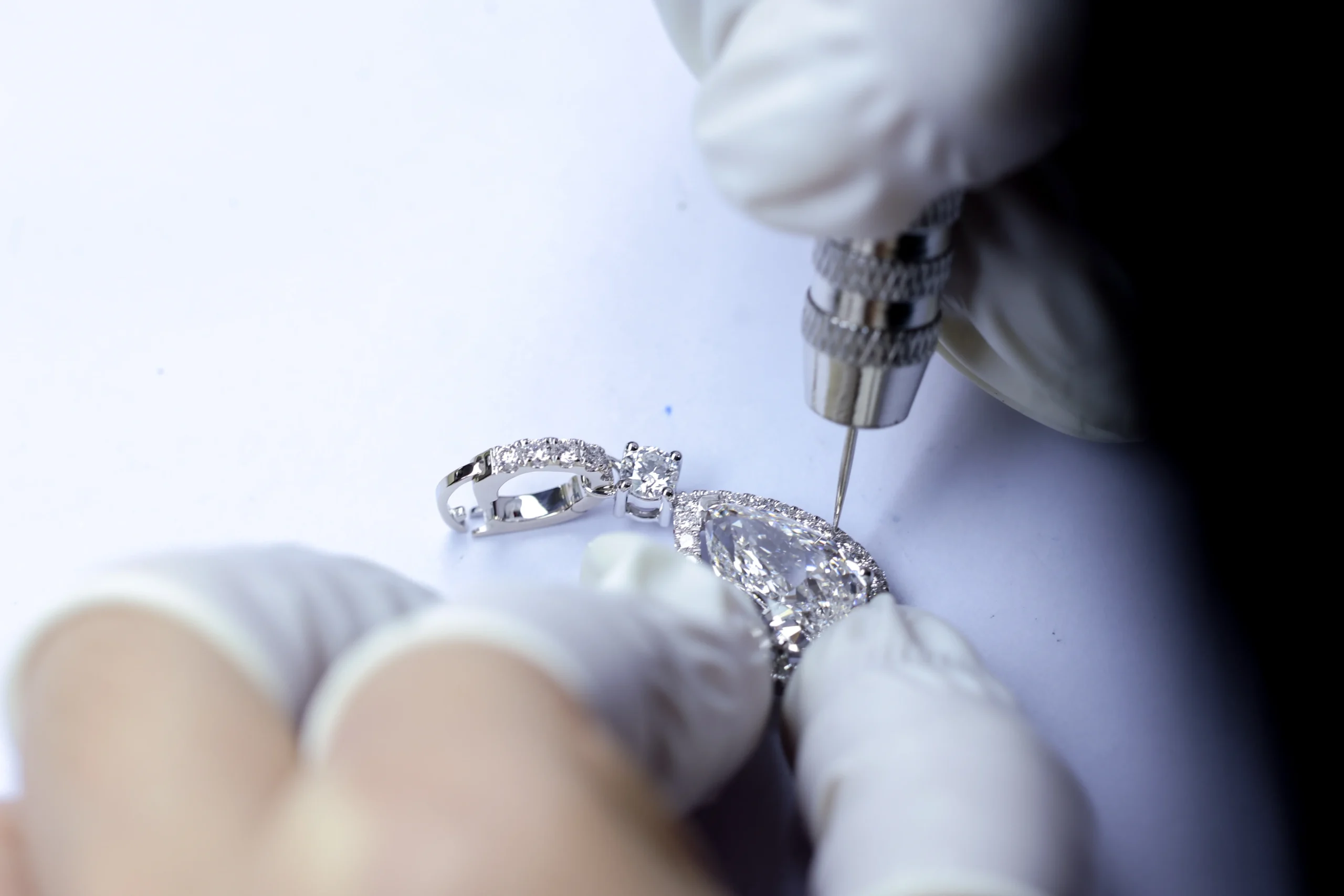
1. Cut Is Usually the Biggest Hidden Price Driver
Cut quality affects how bright the stone looks, how much light it returns, and how big it appears once set. A well-cut diamond often looks more impressive than a heavier stone with weaker proportions, which is why buyers frequently pay more for cut quality than they expected.
2. Shape Can Change the Price Faster Than Carat Weight
Round stones are often the most expensive because they are in high demand and can waste more rough material during cutting. Fancy shapes such as oval, pear, emerald, and marquise may price differently depending on current demand and how much rough is needed to produce them efficiently.
3. Color and Clarity Push Stones Into Different Buyer Segments
Colorless or near-colorless stones are usually more expensive because they appeal to more buyers and look cleaner in most settings. Clarity matters too, but a small inclusion off to the side is not the same as one sitting under the table where it affects the view.
4. Certification Affects Trust, Not Just Paperwork
Two loose diamonds can look similar, but a trusted grading report gives buyers more confidence when they compare stones side by side. In practice, certification is part of the buying experience, and buyers often pay more for stones that feel easier to evaluate.
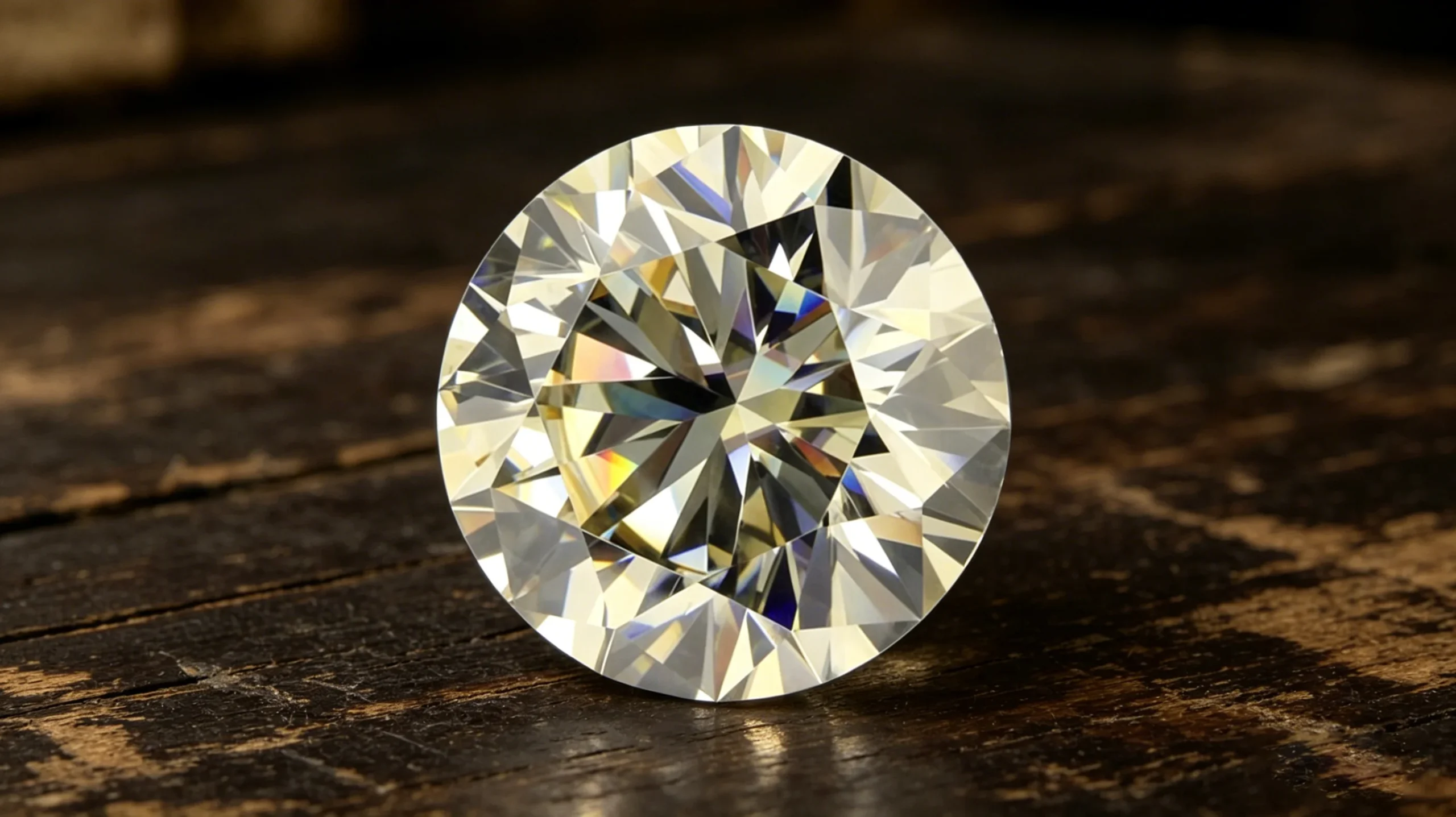
5. The Seller Model Can Be a Bigger Difference Than the Stone
A specialty jeweler, a retail brand, and a direct seller may all list a similar stone at different prices because their costs are different. That does not always mean the cheaper one is better value. It means you should ask what support, inspection, and return policy are included in the price.
How to Compare Loose Diamonds Without Overpaying
- Compare stones under the same grading standard.
- Look at cut first, then shape, then color and clarity.
- Ask whether the stone looks larger or brighter face-up than others in the same weight.
- Check whether the price includes inspection, grading, shipping, and after-sale support.
- Compare at least two or three similar stones before deciding.
When Paying More Makes Sense
A higher price can be worth it if the diamond has noticeably better brilliance, a more desirable shape, or stronger buyer confidence because of its report and seller reputation. If the stone will become the center of an engagement ring, paying a little more for visual impact often makes more sense than saving a small amount on paper.
Where to Start
If you want to compare loose diamonds without guessing, start with stones that are already close to your target budget and style. These product pages are a good starting point:
- 1.2 ct Lab Grown Diamond D color VVS Colorless 7.0mm Loose Diamond GRA Certificate
- Bulk Sale 0.1 Ct. Round brilliant cut Loose lab-grown Diamond VS1 Gia
- Prices for High Quality HPHT CVD Lab-Grown Diamonds for Diamond Rings
Bottom line: loose diamond prices are not random. The real difference usually comes from the combination of cut, shape, confidence, and the way a seller packages the buying experience.
Source From Our Factory
Wholesale Loose Lab Grown Diamonds – Round 1ct to 3ct is manufactured in-house at Wentworth Diamonds — request wholesale pricing or custom specifications.