If you buy finished diamond jewelry for resale, your real challenge is not just finding beautiful pieces. It is controlling risk across quality consistency, lead times, documentation, and re-order reliability while keeping margin healthy.
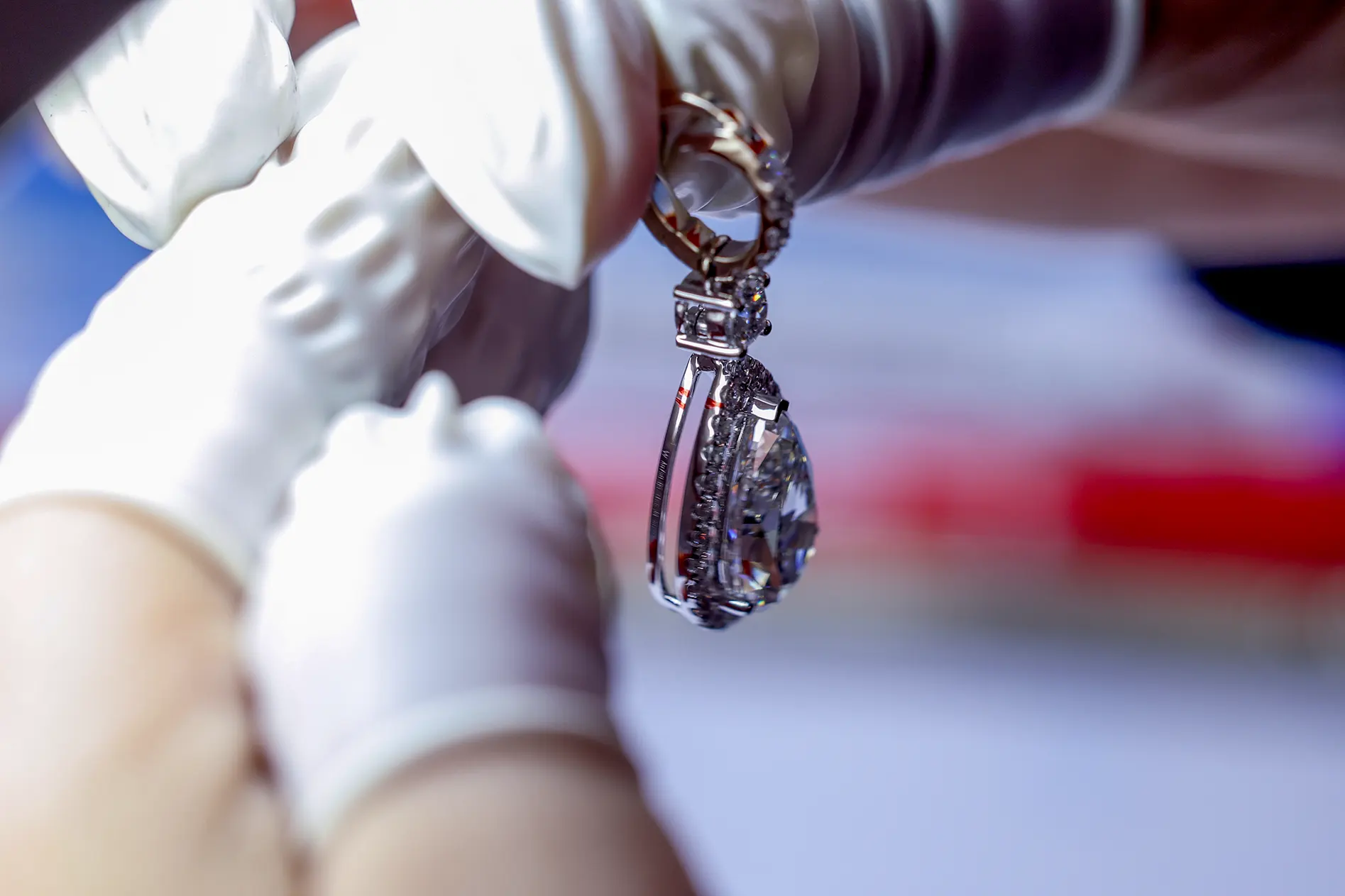
This practical checklist is built for jewelry retailers, e-commerce sellers, and regional distributors who source finished diamond jewelry in bulk.
1. Start with a Commercial Spec, Not a Product Photo
A supplier can match a look but still miss your business requirements. Before placing your first order, define:
- Target metal (10K/14K/18K, plating standards where relevant)
- Diamond origin and quality range (lab-grown or natural, color/clarity tolerance)
- Average stone size consistency allowed by SKU
- Acceptable total weight variance by category
- Packaging and labeling requirements for your market
If your team still needs a diamond quality refresher, review our 4C standard guide and align internal QC terms before negotiation.
2. Validate Certification Logic by Product Type
Not every SKU needs the same document level. Over-certifying low-ticket items can hurt margin, while under-certifying hero products can hurt trust and conversion.
- Use stricter documentation for high-value center-stone pieces
- Define batch-level vs piece-level certificate requirements
- Confirm invoice language that supports customs and marketplace compliance
For teams comparing growth methods in customer-facing copy, this CVD vs HPHT explainer can help your sales and support team answer objections clearly.
3. Build a “Reorder Test” Before You Scale
A supplier that performs on sample orders may still fail on repeatability. After your pilot order, place a controlled reorder test using the same SKUs and compare:
- Visual consistency across lots
- Stone matching in multi-stone designs
- Lead-time deviation from the first order
- Defect and remake rate per 100 units
Reliable reorders are what protect your ad spend and customer lifetime value over time.
4. Protect Margin with a Full-Cost View
Unit price alone can be misleading. Evaluate landed cost including:
- Remake and replacement policy impact
- Freight mode and damage rate
- MOQ pressure and cashflow lock-in
- After-sales response speed
Often, a slightly higher EXW price with fewer remakes produces better real margin than the “lowest quote.”
5. Align Supply with What Actually Converts
Your best wholesale strategy is to source around proven demand signals:
- Top-converting stone shapes and carat bands in your store
- Price points with stable conversion, not just high clicks
- SKU families that can be expanded (matching ring/earring/pendant lines)
If your customer base asks basic education questions before purchase, this article on what to know before buying lab-created diamonds is useful as pre-sales content.
6. Create a 90-Day Supplier Scorecard
To avoid emotional supplier decisions, use one monthly scorecard:
- On-time delivery rate
- QC pass rate
- Remake ratio
- Response time for issue resolution
- Reorder consistency score
By day 90, the right supplier becomes obvious from data, not promises.
Final Takeaway
Wholesale diamond jewelry growth is a systems game. Retail buyers who standardize specs, documentation, reorder testing, and supplier scorecards scale faster with fewer surprises.
If you want a sourcing partner for finished diamond jewelry wholesale, we can help you build a product mix that balances quality, speed, and margin for your target market.