For jewelry retailers, custom jewelry manufacturers, and wholesale buyers, a 1.2 carat round lab-grown diamond is one of the easiest sizes to turn into a commercial best-seller. It offers stronger visual presence than a 1.0 ct stone, still stays within an attractive price band for many markets, and works equally well in solitaire, halo, and three-stone designs. When the stone is also graded D color and VVS clarity, it moves into the premium tier of inventory.
This guide explains what a 1.2 ct D color VVS lab-grown diamond really means in practice, what buyers should verify before placing an order, and why this specification is so useful for both retail jewelry and OEM/ODM manufacturing.
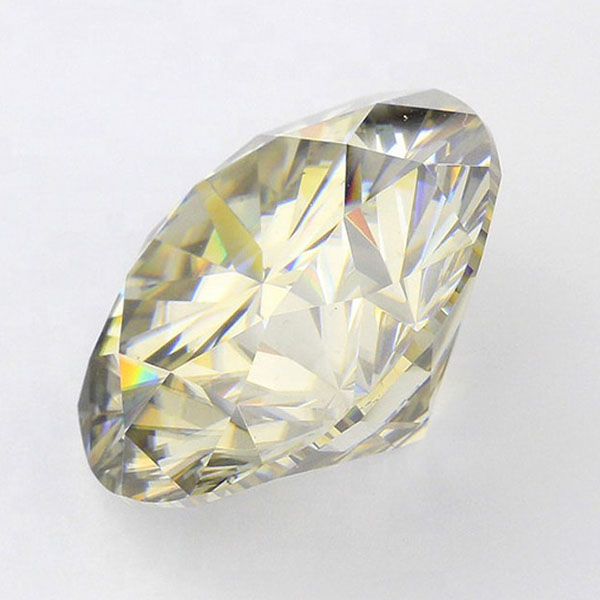
Quick Specification Snapshot
| Item | Specification |
|---|---|
| Stone Type | Lab-created diamond |
| Carat Weight | 1.2 ct |
| Color Grade | D |
| Clarity Grade | VVS |
| Shape | Round brilliant |
| Diameter | Approx. 7.0 mm |
| Typical Use | Loose stone supply, engagement rings, custom jewelry manufacturing |
Why 1.2 Carat Is a Commercially Strong Size
The 1.2 ct range sits in a practical middle ground between classic and premium. In day-to-day sales, this size looks noticeably larger than a standard 1 carat stone, but it does not yet enter the narrow buyer segment that only shops oversized diamonds.
Better finger coverage: At roughly 7.0 mm, a 1.2 ct round stone has enough face-up size to create a clear visual upgrade in finished jewelry.
Flexible pricing: Buyers can market it as a premium option without moving too far beyond mainstream budgets.
Broad setting compatibility: This size works well in solitaire, halo, hidden halo, pavé, and three-stone ring programs.
Useful for B2B inventory: It is large enough to feel special, yet common enough to move consistently across retail and manufacturing channels.
What D Color Means
D color is the highest grade on the standard color scale. It means the diamond is considered completely colorless under professional grading conditions. For buyers, that matters in several ways:
Cleaner appearance in white metals: D color looks especially crisp in platinum and white gold settings.
Stronger premium positioning: Customers recognize D color as a top-tier specification, which helps justify higher retail pricing.
Less risk in larger-looking stones: As diamonds increase in visible size, body color becomes easier to notice. A 1.2 ct D color stone avoids that concern.
| Color Grade | Visual Impression | Typical Market Position |
|---|---|---|
| D | Completely colorless | Premium / flagship inventory |
| E-F | Colorless to the naked eye | High-end mainstream |
| G-H | Near-colorless | Best value for volume sales |
Why VVS Clarity Matters
VVS clarity means the stone contains very, very slight inclusions that are extremely difficult to detect under magnification. In practical buying terms, this gives you:
A very clean face-up appearance: In normal viewing conditions, VVS stones appear exceptionally pure.
Confidence for premium jewelry: High-end engagement rings and luxury custom pieces benefit from cleaner clarity grades because buyers expect minimal imperfections.
Better matching potential: If you are sourcing multiple stones for a jewelry line, VVS material makes it easier to maintain a refined quality standard.
Not every project requires VVS clarity. Many commercial programs sell well in VS grades. But when a customer requests a premium, investment-feeling look, D color + VVS clarity is an easy combination to recommend.
Why Round Brilliant and 7.0 mm Work So Well
The round brilliant remains the most recognizable and commercially efficient diamond shape. A 7.0 mm round offers a balanced look that suits both classic bridal styles and modern custom settings.
Strong light return: Round brilliant cutting is the market benchmark for sparkle performance.
Easy retail education: Customers already understand and trust round stones, so conversion is often easier.
Manufacturing convenience: Mounting, matching, and design adaptation are simpler with round stones than with many fancy shapes.
What Buyers Should Check Before Placing an Order
Before you buy a loose stone in this grade, review the following points carefully:
1. Certificate details: Confirm that the report number, measurements, color, clarity, and weight all match the actual stone.
2. Cut-related information: Ask for the cut standard, symmetry, and polish whenever available, especially for premium retail inventory.
3. Exact measurements: A 1.2 ct round should present the right spread for its weight. Diameter matters as much as carat weight in visual performance.
4. Video or inspection images: Request high-resolution images or video so you can evaluate brilliance and inclusions from different angles.
5. Application match: Make sure the stone specification fits the final jewelry use, whether for a single custom ring or a repeated production line.
For reference, you can review this 1.2 ct D color VVS lab-grown loose diamond and compare it with the rest of our lab-grown diamond collection.
Best Uses for a 1.2 ct D VVS Lab-Grown Diamond
This specification works especially well in the following product categories:
Premium solitaire engagement rings: Ideal when the center stone must carry the entire visual impact.
Halo and hidden halo designs: The colorless look helps the center stone stay bright beside accent stones.
Bridal sets and anniversary jewelry: 1.2 ct is large enough to feel luxurious but still wearable for daily use.
OEM/ODM custom orders: A D VVS round is easy to position as an upgrade option in wholesale quotations.
Wholesale Sourcing Advice
If you are buying for distribution, retail, or jewelry manufacturing, a good sourcing strategy is not just about one stone. It is about repeatability.
Build a specification ladder: Keep D/VVS as a premium anchor, then add E-F/VS and G-H/VS options for different customer budgets.
Ask about consistency: If you intend to reorder, verify whether similar size-color-clarity combinations are consistently available.
Align certification with your market: Different countries and customer groups respond differently to grading laboratories and report formats.
Plan around MOQ and production speed: For jewelry programs, inventory timing often matters as much as the stone grade itself.
Conclusion
A 1.2 ct D color VVS round lab-grown diamond is a strong choice for buyers who want premium presentation without moving into overly specialized inventory. It combines excellent whiteness, high clarity, strong visual spread, and broad jewelry application.
For retailers and manufacturers, this specification is easy to merchandise, easy to explain to end customers, and highly suitable for premium ring collections. If you are sourcing loose stones for your next jewelry program, start with a clear benchmark like this and then expand your buying strategy around adjacent grades and sizes.
Need a product reference? View our 1.2 ct D color VVS lab-grown diamond example or browse more loose lab-grown diamonds.