ง่ามคือกรงเล็บโลหะเล็กๆ ที่ยึดเพชรไว้กับที่, และเป็นส่วนที่เครียดมากที่สุดในบรรดาแหวนหมั้น. สวมใส่ทุกวันเป็นเวลานานหลายปี, โลหะที่เคยจับหินของคุณจะค่อยๆ บางลง. เมื่อสิ่งนั้นเกิดขึ้น, การตั้งค่าไม่ได้ปกป้องเพชรอย่างที่ควรจะเป็นอีกต่อไป. ทำความเข้าใจกับการสวมง่าม — มันเกิดขึ้นได้อย่างไร, จะสังเกตได้อย่างไร, และเมื่อใดจึงจะคืนความหนาง่าม — คือความแตกต่างระหว่างแหวนที่มีอายุการใช้งานยาวนานกับแหวนที่เสี่ยงต่อการสูญเสียหินเม็ดกลาง.
ง่ามสวมคืออะไร?
การสึกหรอของง่ามคือการสูญเสียโลหะทีละน้อยจากปลายและไหล่ของง่ามที่ยึดเพชรไว้. ทุกครั้งที่แหวนของคุณฟาดโต๊ะ, มือจับประตู, หรือเครื่องประดับชิ้นอื่น, มันกำจัดชั้นโลหะที่มีขนาดเล็กมาก. กว่าเดือนและปี, การสูญเสียเล็กๆ น้อยๆ เหล่านั้นก็เพิ่มขึ้น. ง่ามจะบางลง, สั้นลง, และจับหินได้ไม่มั่นคงนัก.
นี่ไม่ใช่ข้อบกพร่องในฝีมือดั้งเดิม. มันเป็นผลตามธรรมชาติของฟิสิกส์และชีวิตประจำวัน. แม้แต่การจัดวางที่ดีก็จะแสดงสัญญาณการสึกกร่อนในที่สุด. คำถามไม่ใช่ว่ามันจะเกิดขึ้นหรือไม่, แต่เมื่อใด — และไม่ว่าคุณจะสังเกตเห็นก่อนที่เพชรจะตกอยู่ในความเสี่ยงหรือไม่.
เหตุใดความหนาของง่ามจึงมีความสำคัญ
หน้าที่ของง่ามคือการยึดเพชรให้แน่นหนาโดยปล่อยให้แสงส่องเข้ามาจากด้านข้างของเพชรได้. หากง่ามหนาเกินไป, มันปิดกั้นแสงและทำให้เพชรดูเล็กลงและมืดลง. ถ้าพวกมันผอมเกินไป, พวกเขาไม่สามารถยึดหินไว้แน่นได้. ง่ามในอุดมคตินั้นหนาพอที่จะแข็งแรง, แต่บางพอที่จะคงความหรูหราไว้ได้.
เมื่อง่ามสึกหรอโลหะจะบางลง, ความสมดุลเปลี่ยนไป. ง่ามที่สึกหรอสามารถงอได้, คลาย, หรือแม้กระทั่งทำลาย. ง่ามที่หลวมหมายถึงเพชรสามารถเปลี่ยนได้, สั่น, หรือ — ในกรณีที่เลวร้ายที่สุด — หลุดออกไปโดยสิ้นเชิง. การคืนความหนาง่ามไม่เกี่ยวกับเครื่องสำอาง. เป็นเรื่องเกี่ยวกับการปกป้องการลงทุนของคุณและการรักษาหินให้ปลอดภัย.
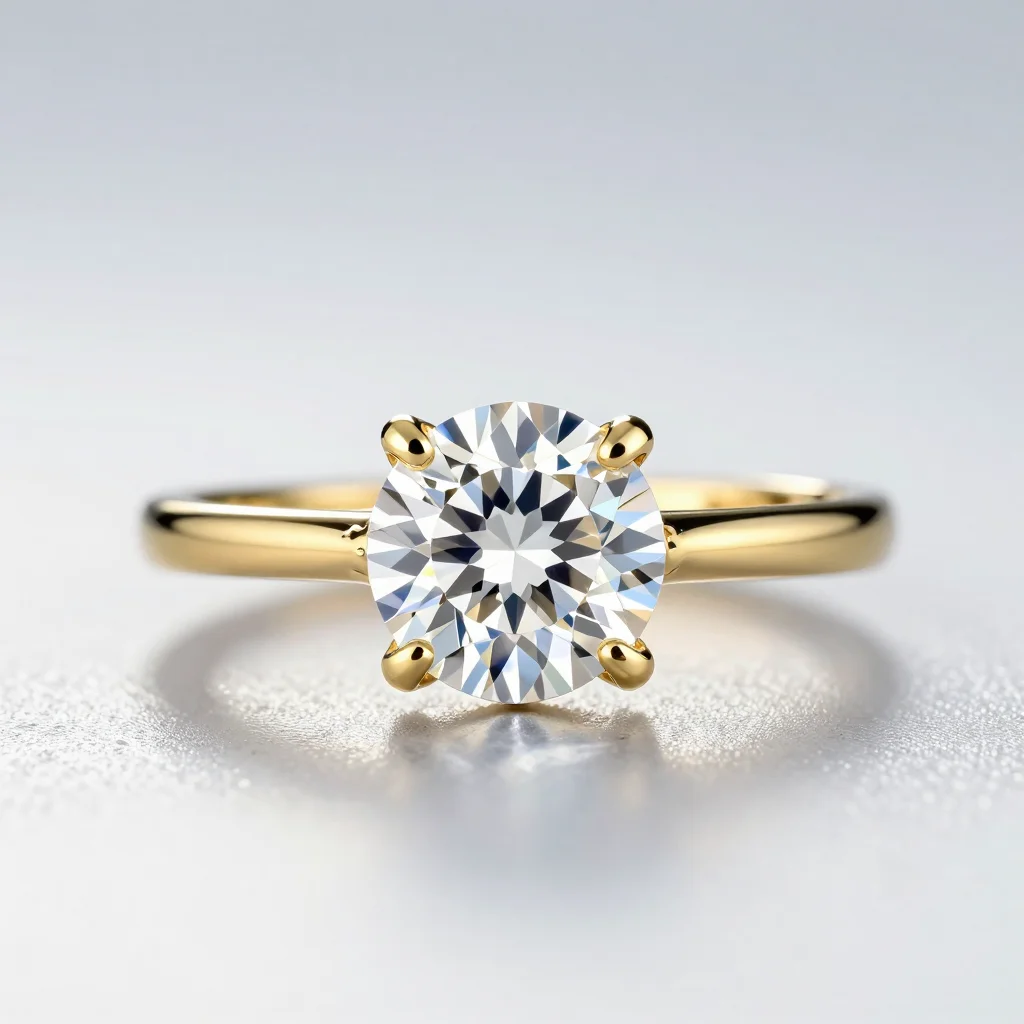
วิธีสังเกตการสวมง่าม
คุณไม่จำเป็นต้องมีแว่นขยายของช่างอัญมณีเพื่อสังเกตการสึกหรอของง่ามขั้นสูง, แต่เลนส์ขยาย 10 เท่าทำให้มองเห็นสัญญาณในระยะเริ่มแรกได้ง่ายขึ้นมาก. มองหาสัญญาณเตือนเหล่านี้:
- เคล็ดลับที่บางลง. ปลายง่ามที่โค้งมนควรแนบชิดกับขอบเพชร. หากปลายมีลักษณะแบน, คม, หรือแทบจะคลุมหินไม่ได้เลย, โลหะสึกหรอแล้ว.
- ช่องว่างที่มองเห็นได้. ถือแหวนไว้ตรงที่มีแสง. หากมองเห็นแสงระหว่างง่ามกับเพชรได้, ง่ามไม่ยึดหินแน่นอีกต่อไป.
- หินที่หลวมหรือสั่นสะเทือน. ค่อยๆ เคาะเพชรด้วยเล็บมือ. ถ้ามันเคลื่อนไหวหรือส่งเสียง, ง่ามไม่ทำงาน.
- ง่ามงอหรือหัก. ง่ามที่เกี่ยวเสื้อผ้าหรือให้ความรู้สึกแหลมคมเมื่อสัมผัสมีแนวโน้มที่จะงอเนื่องจากการกระแทก.
หากคุณสังเกตเห็นสิ่งเหล่านี้, ให้ตรวจสอบแหวนทันที. การใส่เพชรตั้งแต่เนิ่นๆ มีราคาถูกกว่าและปลอดภัยกว่าการใส่เพชรที่เสียไป.
ความก้าวหน้าของการสวมใส่ง่าม
การสึกหรอของง่ามเกิดขึ้นไม่เท่ากัน. ง่ามที่ด้านฝ่ามือ — ด้านที่สัมผัสพื้นผิวบ่อยที่สุด — โดยทั่วไปจะสึกเร็วกว่าง่ามด้านบน. นี่คือเหตุผลว่าทำไมแหวนจึงดูดีเมื่อมองจากด้านบน ในขณะที่ง่ามด้านล่างนั้นบางมากจนเป็นอันตราย.
อัตราการสึกหรอขึ้นอยู่กับหลายปัจจัย:
- ความแข็งของโลหะ. แพลตตินัมมีความหนาแน่นและทนทานต่อการสึกหรอได้ดี, ในขณะที่โลหะผสมทองที่อ่อนกว่าจะสึกหรอเร็วกว่า. คำแนะนำของเราในการ แพลตตินัมเทียบกับทองคำขาว 18K สำหรับการตั้งค่าเพชรที่ปลูกในห้องแล็บ อธิบายว่าการเลือกใช้โลหะส่งผลต่อความทนทานในระยะยาวอย่างไร.
- นิสัยประจำวัน. การสวมแหวนขณะทำสวน, ยกน้ำหนัก, หรือล้างจานจะเร่งการสึกหรอ.
- การออกแบบง่าม. การตั้งค่าบางอย่าง, เช่นก การตั้งค่าง่ามรูปตัว V สำหรับเพชรที่ปลูกในห้องทดลองของมาร์คีส์และแพร์, ปกป้องมุมแหลมได้ดีกว่าแบบอื่น.
เมื่อใดควรคืนความหนาง่าม
ร้านขายอัญมณีควรคืนหนามเตยให้กลับคืนมาเมื่อง่ามสูญเสียโลหะไปมากพอที่จะกระทบต่อความปลอดภัยของหิน. ตามกฎทั่วไป, ถ้าปลายง่ามไม่บังขอบเพชรอีกต่อไป, หรือถ้าหินขยับเลย, ถึงเวลาซ่อมแซมแล้ว.
การคืนความหนาของง่ามเป็นงานที่ต้องใช้ทักษะ. ช่างอัญมณีจะเติมโลหะให้กับง่ามที่สวมใส่ — ไม่ว่าจะโดยการสร้างมันขึ้นมาด้วยบัดกรีหรือโดยการเปลี่ยนง่ามทั้งหมด — จากนั้นจึงปรับรูปร่างและขัดใหม่ให้เข้ากับโปรไฟล์เดิม. เป้าหมายคือการทำให้ง่ามกลับมามีความหนาที่ปลอดภัยโดยไม่ทำให้ดูเทอะทะ.
ไม่สามารถบันทึกง่ามที่สวมใส่ทุกอันได้. หากง่ามชำรุดจนเหลือเศษไม้, หรือถ้าโลหะมีรอยแตกร้าว, การทดแทนมักเป็นทางเลือกที่ปลอดภัยกว่า. ช่างอัญมณีที่มีชื่อเสียงจะบอกคุณอย่างตรงไปตรงมาว่าตัวเลือกใดจะปกป้องเพชรของคุณได้ดีที่สุด.
การป้องกันการสึกหรอของง่าม
คุณสามารถชะลอการสวมใส่ง่ามได้ด้วยนิสัยง่ายๆ ไม่กี่ข้อ:
- ถอดแหวนออกสำหรับงานหนัก. ถอดออกก่อนทำสวน, ออกกำลังกาย, หรือการทำความสะอาดด้วยสารเคมีที่รุนแรง.
- เก็บไว้อย่างถูกต้อง. เก็บแหวนไว้ในช่องแยกต่างหากของกล่องใส่เครื่องประดับเพื่อไม่ให้เสียดสีกับชิ้นอื่นๆ.
- กำหนดการตรวจตราประจำปี. การตรวจสอบประจำปีโดยช่างอัญมณีจะตรวจสอบการสึกหรอก่อนที่จะเกิดอันตราย.
- เลือกโลหะที่ทนทาน. หากคุณยังคงช้อปปิ้งอยู่, การเลือกโลหะที่แข็งกว่าตั้งแต่เริ่มต้นจะช่วยลดการสึกหรอในอนาคต. การเปรียบเทียบของเรา 18K เทียบกับทองคำ 14K เทียบกับ 9K สำหรับการตั้งค่าเพชรที่ปลูกในห้องแล็บ สามารถช่วยคุณตัดสินใจได้.
บทบาทของการควบคุมคุณภาพ
การป้องกันการสึกหรอของง่ามก่อนวัยอันควรที่ดีที่สุดเริ่มต้นที่โรงงาน. การตั้งค่าที่ส่งและเสร็จสิ้นอย่างถูกต้อง — มีง่ามที่ได้สัดส่วนอย่างเหมาะสมและไม่มีรูพรุนซ่อนอยู่ — จะสึกช้ากว่ามากซึ่งมีตำหนิภายใน. นี่คือเหตุผลที่ผู้ผลิตที่มีชื่อเสียงตรวจสอบทุกชิ้นก่อนจัดส่ง. คุณสามารถอ่านเกี่ยวกับ โรงงานจะตรวจจับข้อบกพร่องในการตั้งค่าก่อนจัดส่งได้อย่างไร เพื่อทำความเข้าใจว่าการตรวจสอบคุณภาพมีความสำคัญอย่างไร.
เมื่อคุณเลือกก ผู้ผลิตเพชรที่ปลูกในห้องปฏิบัติการ ที่ให้ความสำคัญกับคุณภาพของง่ามอย่างจริงจัง, คุณเริ่มต้นด้วยรากฐานที่แข็งแกร่งยิ่งขึ้น. บวกกับนิสัยการดูแลที่ดีและการตรวจสอบอย่างสม่ำเสมอ, รากฐานนั้นช่วยรักษาเพชรของคุณให้ปลอดภัยมานานหลายทศวรรษ.
บทสรุป
การสวมง่ามเป็นเรื่องปกติของการมีแหวนเพชร, แต่ก็ไม่ควรละเลย. โดยทำความเข้าใจว่าง่ามบางลงแค่ไหน, ตรวจสอบพวกเขาเป็นประจำ, และคืนความหนาง่ามเมื่อจำเป็น, คุณปกป้องทั้งความสวยงามและความปลอดภัยของสถานที่ของคุณ. การเอาใจใส่เพียงเล็กน้อยในวันนี้จะช่วยป้องกันไม่ให้เกิดค่าใช้จ่ายสูง — และอกหัก — พรุ่งนี้ขาดทุน.