Las puntas son las pequeñas garras de metal que mantienen un diamante en su lugar., y son la parte más estresada de cualquier anillo de compromiso.. Más de años de uso diario, El metal que una vez se apoderó de tu piedra puede adelgazarse lentamente.. cuando eso sucede, el engaste ya no protege el diamante como debería. Entendiendo el desgaste de las puntas — como sucede, como detectarlo, y cuando restaurar el espesor de las puntas — es la diferencia entre un anillo que dura toda la vida y un anillo que corre el riesgo de perder su piedra central.
¿Qué es el desgaste de las puntas??
El desgaste de las puntas es la pérdida gradual de metal de las puntas y los hombros de las puntas que sujetan un diamante.. Cada vez que tu anillo roza una mesa, una manija de puerta, u otra pieza de joyería, Elimina una capa microscópica de metal.. Durante meses y años, esas pequeñas pérdidas se suman. Las puntas se vuelven más delgadas, más corto, y menos capaz de sostener la piedra firmemente.
Esto no es un defecto en la artesanía original.. Es una consecuencia natural de la física y de la vida diaria.. Incluso un engaste bien hecho eventualmente mostrará signos de desgaste de las puntas.. La pregunta no es si sucederá, pero cuando — y si lo notas antes de que el diamante esté en riesgo.
Por qué es importante el grosor de las puntas
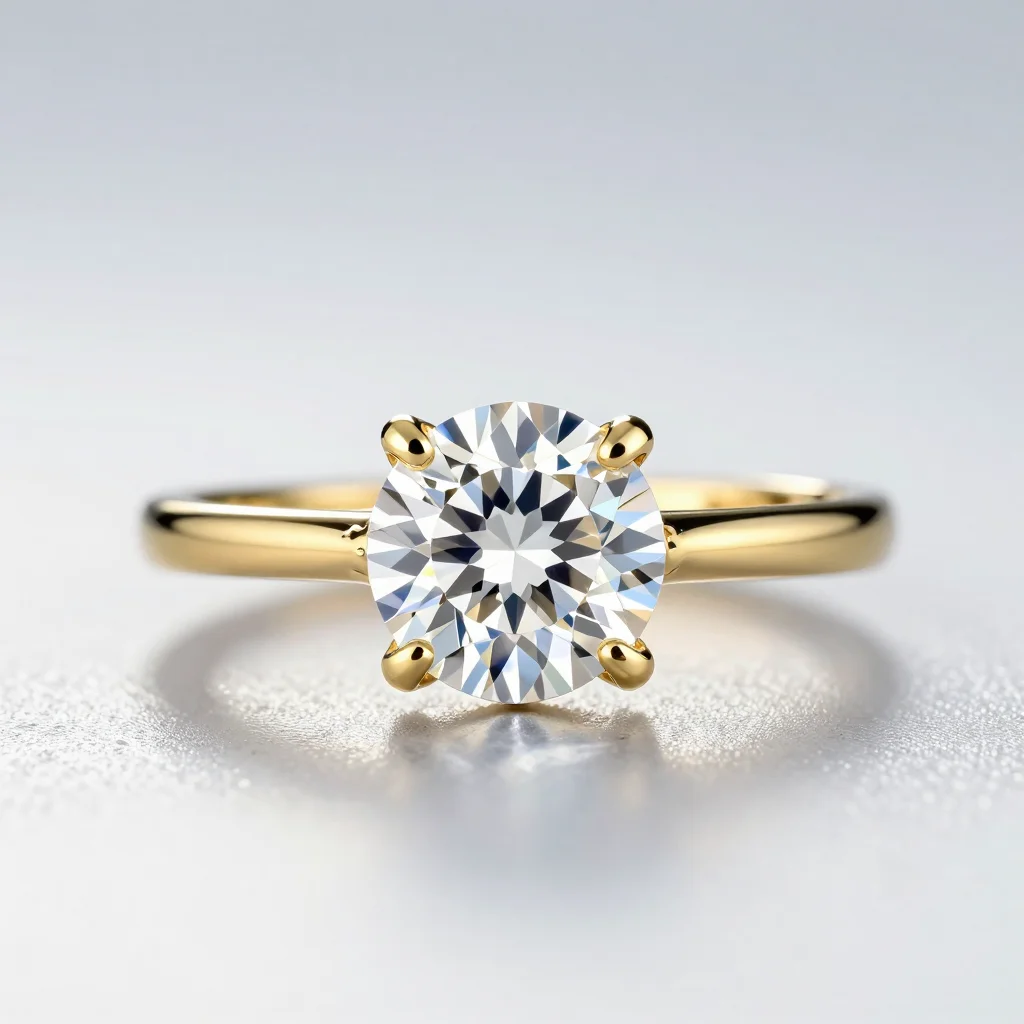
El trabajo de una punta es sujetar el diamante de forma segura mientras permite que la luz entre en la piedra desde los lados.. Si las puntas son demasiado gruesas, bloquean la luz y hacen que el diamante parezca más pequeño y oscuro. Si son demasiado delgados, no pueden sujetar la piedra con seguridad. La punta ideal es lo suficientemente gruesa como para ser fuerte., pero lo suficientemente delgado como para mantenerse elegante.
Cuando el desgaste de las puntas adelgaza el metal, el equilibrio cambia. Una punta desgastada puede doblarse, aflojar, o incluso romper. Una punta suelta significa que el diamante puede moverse, traqueteo, o — en el peor de los casos — caerse por completo. Restaurar el grosor de las púas no se trata de cosméticos. Se trata de proteger tu inversión y mantener la piedra segura..
Cómo detectar el desgaste de las puntas
No necesita una lupa de joyero para notar el desgaste avanzado de las puntas., pero una lupa de 10x hace que los primeros signos sean mucho más fáciles de ver. Busque estas señales de advertencia:
- Puntas más delgadas. La punta redondeada de una punta debe quedar cómodamente sobre el cinturón del diamante.. Si la punta se ve plana, afilado, o apenas cubre la piedra, el metal se ha desgastado.
- Brechas visibles. Sostenga el anillo hacia la luz.. Si puedes ver luz entre la punta y el diamante, la punta ya no sujeta firmemente la piedra.
- Una piedra suelta o que hace ruido. Golpea suavemente el diamante con la uña.. Si se mueve o hace algún sonido, las puntas no hacen su trabajo.
- Puntas dobladas o enganchadas. Una punta que se engancha en la ropa o se siente afilada al tacto probablemente se haya doblado por el impacto..
Si nota alguno de estos, haga inspeccionar el anillo rápidamente. Detectar el desgaste de las puntas a tiempo es mucho más barato y seguro que reemplazar un diamante perdido.
Cómo progresa el desgaste de las puntas
El desgaste de las puntas no ocurre de manera uniforme. Las puntas en el lado de la palma de la mano. — el lado que toca las superficies con mayor frecuencia — normalmente se desgastan más rápido que las puntas en la parte superior. Esta es la razón por la que un anillo puede verse bien desde arriba, mientras que las puntas de la parte inferior son peligrosamente delgadas..
La tasa de desgaste depende de varios factores.:
- Dureza del metal. El platino es denso y resiste bien el desgaste., mientras que las aleaciones de oro más blandas se desgastan más rápidamente. nuestra guía para platino frente a oro blanco de 18 quilates para engastes de diamantes cultivados en laboratorio explica cómo la elección del metal afecta la durabilidad a largo plazo.
- Hábitos diarios. Usar el anillo mientras hace jardinería, levantando pesas, o lavar los platos acelera el desgaste.
- Diseño de puntas. Algunas configuraciones, tal como un Engaste de punta en V para diamantes cultivados en laboratorio de talla marquesa y pera, Protege las esquinas puntiagudas mejor que otras..
Cuándo restaurar el grosor de las puntas
Un joyero debe restaurar el grosor de las puntas cuando estas han perdido suficiente metal como para comprometer la seguridad de la piedra.. Como regla general, si la punta de una punta ya no cubre el cinturón del diamante, o si la piedra se mueve en absoluto, es hora de una reparación.
Restaurar el grosor de las puntas es un trabajo especializado. El joyero añade metal a la punta desgastada. — ya sea construyéndolo con soldadura o reemplazando la punta por completo — luego le da nueva forma y lo pule para que coincida con el perfil original.. El objetivo es devolver la punta a un grosor seguro sin que parezca voluminosa..
No todas las puntas desgastadas se pueden salvar. Si una punta se ha desgastado hasta quedar reducida a una astilla, o si el metal se ha agrietado, el reemplazo es a menudo la opción más segura. Un joyero de confianza le dirá honestamente qué opción protege mejor su diamante..
Prevención del desgaste de las puntas
Puedes retardar el desgaste de las puntas con unos simples hábitos:
- Retire el anillo para tareas pesadas.. Quítatelo antes de trabajar en el jardín., haciendo ejercicio, o limpieza con productos químicos agresivos.
- Guárdalo correctamente. Mantenga el anillo en un compartimento separado de un joyero para que no roce con otras piezas..
- Programar inspecciones anuales. Un control anual realizado por un joyero detecta el desgaste antes de que se vuelva peligroso.
- Elija un metal duradero. Si todavía estás comprando, elegir un metal más duro desde el principio reduce el desgaste futuro. Nuestra comparación de 18Oro K versus oro de 14K versus oro de 9K para engastes de diamantes cultivados en laboratorio puede ayudarte a decidir.
El papel del control de calidad
La mejor defensa contra el desgaste prematuro de las puntas comienza en la fábrica. Un escenario moldeado y rematado correctamente — con puntas adecuadamente proporcionadas y sin porosidad oculta — se desgastará mucho más lentamente que uno con defectos internos. Esta es la razón por la que los fabricantes de renombre inspeccionan cada pieza antes de enviarla.. Puedes leer sobre Cómo detecta una fábrica los defectos de configuración antes del envío Para entender lo que importan los controles de calidad..
Cuando eliges un fabricante de diamantes cultivados en laboratorio que toma en serio la calidad de las puntas, comienzas con una base más sólida. Combinado con buenos hábitos de cuidado e inspecciones periódicas., esa base mantiene su diamante seguro durante décadas.
Conclusión
El desgaste de las puntas es una parte normal de tener un anillo de diamantes, pero nunca se debe ignorar. Al comprender cómo se adelgazan las puntas, revisándolos regularmente, y restaurar el grosor de las puntas cuando sea necesario, proteges tanto la belleza como la seguridad de tu entorno. Un poco de atención hoy evita una costosa — y desgarrador — pérdida mañana.