What “Durability” Really Means for a Setting
When you are choosing an engagement ring, one question matters more than most: which diamond setting is most durable? The setting holds your diamond in place and protects it from everyday wear, so picking the strongest option can mean the difference between a ring that lasts decades and one that needs constant repairs.
This guide breaks down the durability of every common setting style, explains why diamond setting durability depends on both the design and the craftsmanship, and helps you choose the right one for your lifestyle.
A durable setting is one that keeps the diamond secure, protects it from impact, and survives daily wear without bending, breaking, or loosening. Durability is determined by several factors:
- How the stone is held (prongs, bezel, or a groove in the metal).
- How much of the diamond is exposed to bumps and knocks.
- The hardness and thickness of the metal used.
- The quality of the craftsmanship, because a poorly made setting fails no matter how strong the design looks.
In short, durability is a combination of geometry, metal choice, and workmanship, not just one feature.
Ranking the Most Durable Diamond Settings
Here is how the most common settings compare for durability, from strongest to least protective:
| Setting | Durability | How It Protects the Stone |
|---|---|---|
| Bezel setting | ★★★★★ Highest | Full metal rim surrounds the diamond |
| Half-bezel (partial bezel) | ★★★★ Very high | Metal cradle covers most of the girdle |
| Channel setting | ★★★★ Very high | Stones held in a metal channel between walls |
| Tension setting | ★★★★ High | Metal arms grip the diamond under pressure |
| Prong (claw) setting | ★★★ Moderate | Metal prongs hold the diamond at points |
| Pavé setting | ★★★ Moderate | Small stones set with tiny beads of metal |
The Bezel Setting: The Clear Winner for Durability
If your priority is maximum diamond setting durability, the bezel setting is the strongest choice. In a bezel, a thin rim of metal wraps completely around the diamond’s girdle, holding it securely from every side. This design offers two big advantages:
- The diamond is fully protected. A full metal surround shields the edges and any pointed tips from impact, so the stone rarely chips or cracks.
- The stone cannot snag or catch. Because there are no prongs sticking out, a bezel ring is smooth and ideal for active people, nurses, mechanics, and anyone who uses their hands all day.
The one trade-off is that a bezel covers more of the diamond’s edge than a prong setting, so it shows slightly less of the stone. Many wearers find this a worthwhile exchange for the peace of mind of a virtually indestructible setting.
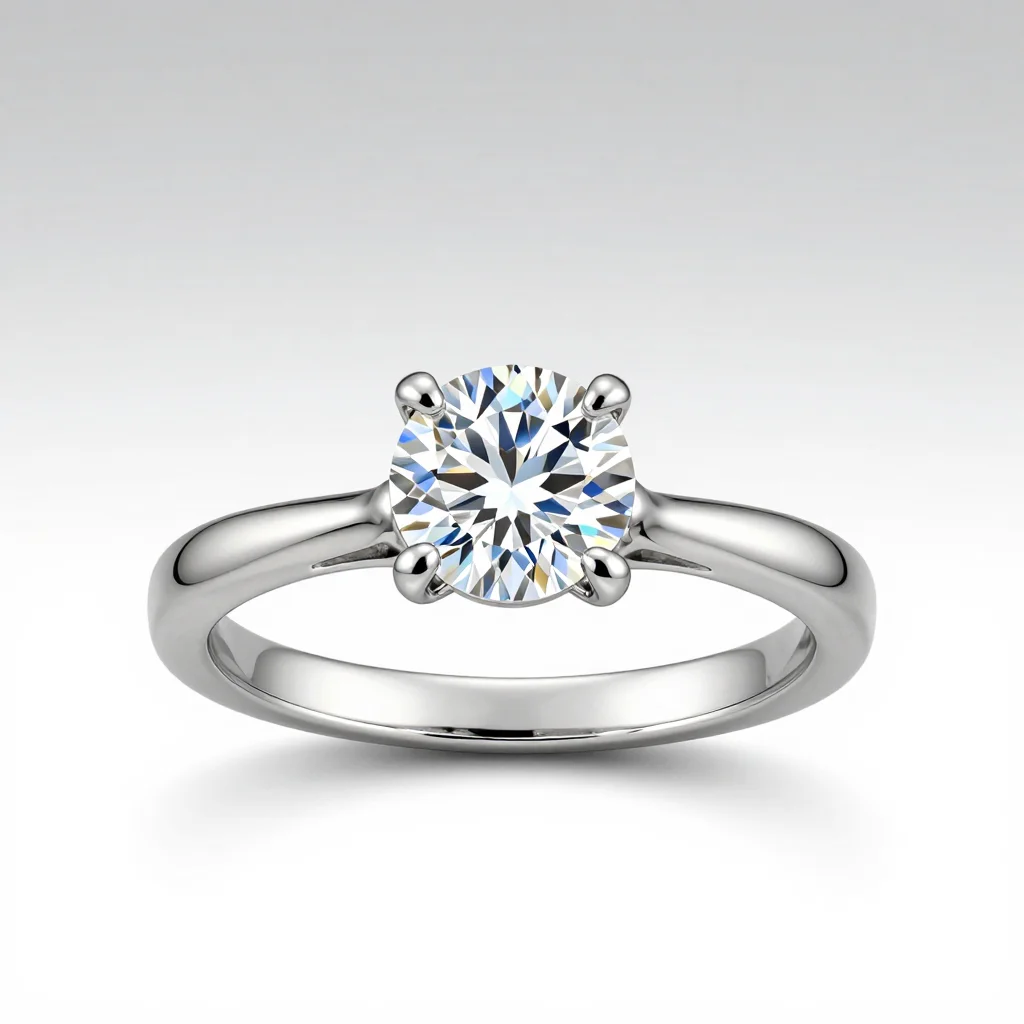
Prong Settings: Classic but More Fragile
The classic prong (or claw) setting holds the diamond with four or six metal prongs that grip the stone at its edges. Because prongs let light into the diamond from every angle, this is the most brilliant-looking setting, which is why it is the most popular engagement-ring style.
However, prongs are the least durable of the common designs:
- Prongs can bend, loosen, or snag. A single damaged prong can leave the diamond vulnerable to loss.
- The diamond’s edges are exposed. The corners and points of the stone are open to bumps.
- Prongs need regular maintenance. Every six to twelve months, a jeweler should check that the prongs are tight.
If you love the classic prong look, choose six prongs instead of four (six prongs hold the stone more securely), and use a harder metal so the prongs resist bending. For a detailed look at how prong height and cut interact, see our guide to matching cut and prong height in three-stone lab-grown rings.
Other Durable Options: Tension, Channel, and Half-Bezel
While the bezel is the most durable, several other settings offer excellent strength with different looks:
- Tension setting: The metal “sandwiches” the diamond under pressure, holding it with no visible prongs or bezel. It looks modern and minimal, and it is quite strong, provided the metal is thick enough. Compare it with a bezel in our tension setting lab grown diamond guide.
- Channel setting: Rows of stones are held between two parallel metal walls, so no prongs are needed. This is an extremely secure way to set multiple small diamonds, making it popular for wedding bands.
- Half-bezel (partial bezel): A metal cradle covers the top and bottom of the stone while leaving the sides open. It offers nearly the same protection as a full bezel but shows more of the diamond.
Why the Metal Matters for Durability
The durability of any setting depends heavily on the metal you choose. Harder metals hold prongs and bezels in place longer and resist scratches and bending:
- Platinum is the most durable metal for jewelry. It is dense, strong, and does not wear down, so a platinum setting stays secure for a lifetime. Because of its strength, platinum is a top choice for lab-grown diamond settings.
- 14K gold is harder and more durable than 18K gold because it contains more alloying metals. See how it compares in our 14K vs 18K gold for engagement rings guide.
- 18K gold is softer and more prone to scratching and bending, though it has a richer color.
- Titanium and cobalt are extremely hard, but they are difficult to resize and rarely used for complex settings.
For a pointed or delicate diamond shape, a harder metal matters even more, because the setting metal takes most of the stress. Learn more about protecting pointed shapes in our guide to the V-prong setting for marquise and pear lab-grown diamonds.
The Role of Craftsmanship in Durability
A durable design only performs if the setting is made well. Two rings with the same design can differ hugely in strength depending on how they are fabricated. Here is what separates a strong setting from a weak one:
- Metal thickness and consistency. Thin or uneven metal bends easily.
- Correct prong placement. Prongs must sit evenly and grip the girdle at the right spots.
- Proper finishing. Rough edges can weaken over time and catch on clothing.
- No hidden casting flaws. Tiny bubbles or weak spots in the metal can cause failure later.
A reputable maker inspects every setting before it ships. Our quality-control process checks for these flaws so you receive a ring that stays strong; read how a factory catches setting defects before shipping.
The Bottom Line
So, which diamond setting is most durable? The bezel setting is the single most durable option because a full metal rim protects the diamond from every side. If you want a classic open look, a six-prong setting in platinum or 14K gold is the next best choice, offering a good balance of brilliance and strength.
Your final choice should match your lifestyle. Active and hands-on people will benefit most from a bezel or half-bezel. Those who value the classic brilliant look can choose a reinforced prong setting and commit to regular check-ups.
Whichever you pick, work with a trusted lab-grown diamond manufacturer that builds settings carefully and tests them for durability. A well-made setting, in a strong metal, is what truly gives your diamond a lifetime of protection.
Source From Our Factory
Wholesale Diamond Ring Settings – Buy Mounts Only is manufactured in-house at Wentworth Diamonds — request wholesale pricing or custom specifications.