What Does “Diamond Ring Settings Only” Mean?
Not every jewelry purchase needs to start from a loose diamond. For many jewelers, designers, and retailers, the smarter route is buying diamond ring settings only — the ready-made metal mount, without a stone — and saving the diamond selection for later. When you buy ring settings only from a factory, you gain access to professional-grade craftsmanship, consistent quality, and wholesale pricing that retail channels simply cannot match. This guide explains what a “settings only” order actually means, what you can expect from a factory, and how to pick the right mounts for your business.
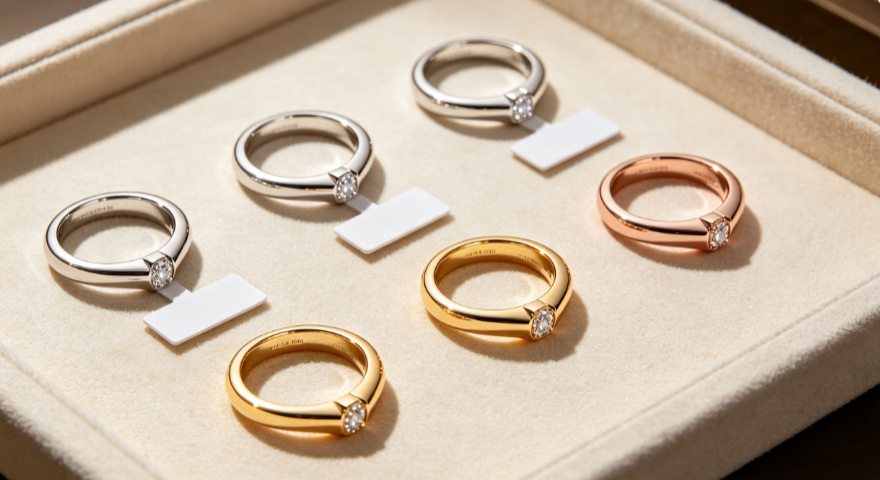
Buying diamond ring settings only means purchasing the complete metal mounting — the band, the head, and the prongs or bezel that will eventually hold a diamond — without any stone set in it. The mount arrives ready for a jeweler to set the customer’s own lab-grown or natural diamond later.
This approach is popular for several reasons:
- Customers already own a diamond and only need a new home for it
- Jewelers want to offer more designs without tying up capital in stones
- Designers want custom-setting flexibility instead of finished one-stone products
- Wholesale buyers need consistent, repeatable mounts in volume
In short, a settings-only order is a bridge between “I have a diamond” and “I have a finished ring.”
Why Buy Ring Settings Only from a Factory?
Buying directly from a factory is very different from buying through a retail storefront. When you order diamond ring settings only from a manufacturing source, you are cutting out the middle layers that add cost to every mount.
The main advantages are:
Lower unit cost. Factory prices reflect production volume, not retail markup. The same mount that a boutique sells at a premium can be ordered at near-production cost, especially in quantity.
Consistent quality. A factory that makes thousands of settings a month controls its casting, finishing, and inspection processes tightly. Every mount from the same batch should match in dimensions, metal weight, and finish.
Wider design range. Factories maintain large catalogs of mount styles — solitaires, three-stone, halo, channel, pavé, and more — covering far more designs than a single store can stock.
Customization options. Need a different metal, a specific head size, or a tweaked prong shape? A factory can adjust the CAD model before casting, something a retail store usually cannot offer.
Choosing the Metal for Your Mounts
The metal of the mount determines both the look and the long-term durability of the finished ring. When buying diamond ring settings only, the most common choices are gold alloys and platinum. If you are weighing options for a retail line, our comparison of 18K vs 14K vs 9K gold for lab-grown diamond settings is a useful starting point — it covers color, hardness, and wear behavior in plain terms.
A few practical rules for choosing metal:
- 14K gold is the best-selling balance of durability and cost for everyday rings
- 18K gold offers richer color and higher purity for premium lines
- 9K gold works well for budget-conscious markets where hardness matters most
- Platinum is the strongest choice for thin, delicate mount designs
Whichever metal you choose, order a sample mount first. Seeing the actual color, weight, and finish in hand beats any catalog photo.
Picking the Right Setting Style
The mount’s setting style determines how the diamond will be held and how the ring performs over years of wear. Since you are ordering settings only, the style decision is entirely yours — and it should match both the diamond shapes you sell and the way your customers wear their rings.
If durability is your priority, our guide to which diamond setting is most durable ranks the common styles by how well they protect a stone in daily life.
For stones with pointed ends, like marquise or pear shapes, the tip needs extra protection. Many buyers therefore order a V-prong setting for marquise and pear lab-grown diamonds so the delicate point is shielded from impact.
And if your customers are deciding between a low-profile design and a raised prong design, the trade-offs between the two are covered in our comparison of flush setting vs bezel setting. Each style changes not only the look of the ring but also how well the stone survives daily wear.
What to Check Before Placing a Factory Order
Even the best factory produces bad batches occasionally. Before you commit to a bulk order of diamond ring settings only, verify these points:
- Stone seat accuracy. The seat must match the diamonds you will set. Send your diamond specifications or sample stones so the factory can size the seats correctly.
- Metal weight consistency. Weigh samples from different batches. Significant variation means sloppy casting control.
- Finish quality. Look at the prong tips, the inside of the band, and the underside of the head. Rough finishing shows up in polishing time later.
- Prong thickness and shape. Thin prongs are a common cost-cutting shortcut. The mount should look substantial enough to hold a stone securely for years.
Understanding how defects are caught on the factory floor helps you know what to demand. Our article on how a factory catches setting defects before shipping walks through the inspection steps a responsible manufacturer runs on every piece.
How the Mount Is Made
If you are buying diamond ring settings only, it helps to know what actually went into making them. Every mount goes through the same production sequence: the design is modeled in CAD, printed in wax, cast in metal, and then cleaned, polished, and inspected before it ever reaches you. The full journey is explained step by step in our guide to the diamond setting process.
Knowing the process also helps you communicate with the factory. When you can talk about stone seats, prong preparation, and final inspection in the factory’s own language, you get better answers — and better mounts.
What Happens After the Mount Arrives
Once your settings-only order lands, the mount still needs a skilled hand to become a finished ring. The diamond must be seated, the prongs tightened, and the piece polished and checked — a job that should never be rushed.
This is also the moment to think about long-term service. A mount that was set carelessly, or a prong that was never shaped properly, will wear faster than it should. If you ever see a prong that looks thin or a stone that feels loose, our guide on prong wear and when a diamond setting needs prong thickness restored explains what to look for and how repairs are done.
Conclusion
Buying diamond ring settings only from a factory is one of the most efficient ways to build a jewelry line without the cost and risk of stocking finished diamond rings. You get professional-grade mounts at wholesale prices, full control over metal and style, and the freedom to set your customers’ own diamonds when they are ready.
Whether you are a jeweler expanding your catalog, a designer launching a collection, or a retailer testing a new style, the key is choosing the right factory — one with consistent quality, clear communication, and honest inspection standards. Working with an experienced lab-grown diamond manufacturer means your settings-only orders are backed by people who understand both the production side and the finished piece.
Source From Our Factory
Wholesale Diamond Ring Settings – Buy Mounts Only is manufactured in-house at Wentworth Diamonds — request wholesale pricing or custom specifications.